What This Sign Means in BSL
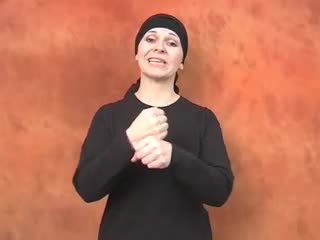
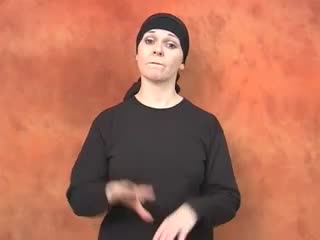
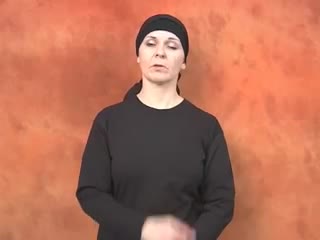
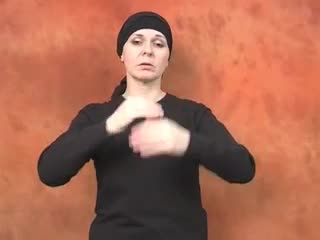
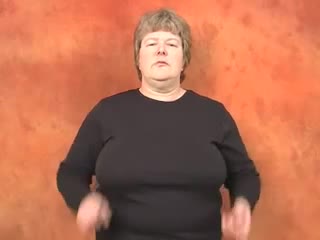
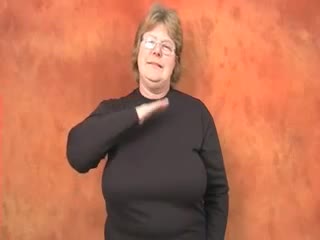
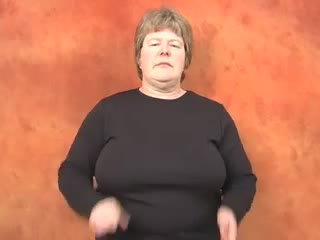
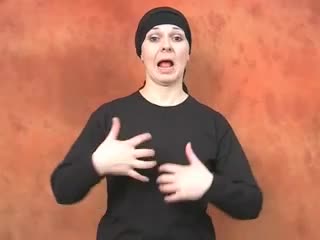
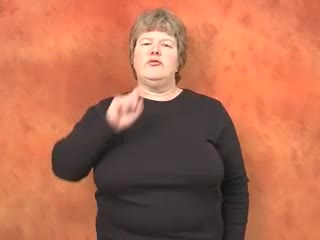
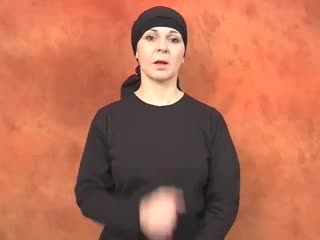
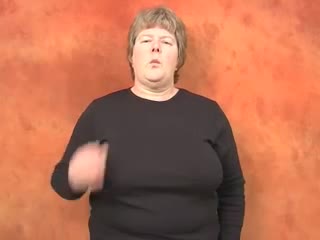
The BSL sign for nervous is a beautifully illustrative sign, capturing the very essence of the feeling right in front of you. Imagine that internal tremor, the slight shake or flutter you might feel when anxiety bubbles up. This sign takes that visceral sensation and brings it to life. Both hands, forming loose fists, are positioned around your chest or stomach area, then begin to tremble or shake. It’s not a violent shiver, but a contained, often rapid vibration that conveys that specific sense of unease or anticipation.
What makes this sign so impactful is its direct connection to the physical experience of nervousness. It isn't an abstract concept; it's a visual representation of what's happening inside. When you sign "nervous," you're not just conveying a word; you're communicating a bodily sensation, a state of being that's universally understood. This makes it a very authentic and empathetic sign to use in conversation.
Think of it as showing, not just telling. The movement can be subtle or more pronounced depending on the intensity of the feeling. A slight, almost imperceptible tremble might signify mild apprehension, while a more noticeable shake could express significant anxiety. This nuance is built into the sign itself, allowing you to convey a spectrum of 'nervousness' simply through the vigour of your hands' movement.
When This Sign Feels Natural
You’ll find the BSL sign for nervous feels completely natural in a whole range of everyday situations where someone might feel a bit jittery or apprehensive. Picture moments like waiting for a job interview, standing backstage before a performance, or even the exciting but slightly unsettling feeling before a big first date. It’s perfect for expressing that internal flutter or shake – the "butterflies in the stomach" sensation. It speaks to a general feeling of unease or anticipation, rather than a specific fear.
This sign is a great choice when the emotion you're trying to convey is genuinely that sense of being on edge or slightly un-settled. It works well in casual conversation, explaining how you felt about something, or when someone asks about your emotional state. For instance, if you're talking about an exam, signing "nervous" perfectly captures that pre-test anxiety. It’s a very direct and clear way to communicate this common human experience.
However, it's worth noting that while "nervous" is broad, it might not be the best fit for every related emotion. If someone is truly terrified, "scared" or "frightened" might be stronger choices. If they're just mildly concerned, "worried" could be more appropriate. "Nervous" sits comfortably in that space of apprehension, excitement mixed with trepidation, or a general feeling of being unsettled. It's about tuning into the precise shade of emotion you wish to share with your audience.
What Learners Usually Miss
One of the most common things learners miss with the BSL sign for nervous isn't the handshape or location, but the crucial role of your facial expression and the quality of the movement. Simply shaking your hands in the right spot isn't enough; your face must align with the emotion. A truly authentic "nervous" sign will be accompanied by a slightly furrowed brow, perhaps a subtle tight-lipped expression, or eyes that convey a touch of apprehension. Without this crucial non-manual marker, the sign can look more like "cold" or an exaggerated shiver, losing its intended meaning.
Another subtle point often overlooked is the *rhythm* and *intensity* of the shake. It’s not usually a dramatic, wide-ranging movement. Instead, think of it as a tighter, more contained tremor, often rapid and localised. Many new signers make the movement too large or too slow, which can alter the meaning significantly. The hands should maintain that loose fist shape, allowing for the natural vibration or shaking to occur from the wrists or forearms, rather than stiffly moving the entire arm.
Finally, learners sometimes forget that the location on the body – the chest or stomach area – is key. This isn't just an arbitrary placement; it signifies where many people physically feel nervousness. Moving the sign too high (near the shoulders) or too low (near the hips) can detract from its natural, visceral connection to the feeling. Keep the hands in that central, core area to truly embody the internal sensation of being nervous. Remember, BSL is highly visual and often mimics the physical experience of an emotion, so precision in location and movement is vital for clear communication.
A Simple Way to Remember It
The BSL sign for nervous is wonderfully iconic, directly mirroring the physical sensation of the emotion. To remember it, simply connect the trembling hands to the internal feeling of "butterflies" or a slight shake within your own body when you're apprehensive. It's as if your hands are showing the inner jitters that are happening inside you.
- Physical Sensation: Envision the slight trembling or internal flutter that often accompanies nervousness, and then picture your hands acting out that very sensation. It's a direct visual link to your body's response.
- Location is Key: The sign is performed at the chest or stomach because that's where many people physically feel nervous – the "gut feeling." Linking the movement to this core location reinforces the meaning.
- Loose Fists for Flutter: The loose fist handshape allows for a natural, slightly uncontrolled tremor, much like genuine nervousness. If your hands were rigid, it wouldn't convey the same delicate, internal shake.
Short Practice Situations
- Imagine you're about to give a presentation to a large group; try signing "nervous" with an appropriate facial expression.
- You're waiting for important exam results to be announced; practice signing "I feel a bit nervous about the results."
- Someone asks you how you felt before meeting a new person for the first time; sign "I was quite nervous beforehand."
- Your friend is about to go on stage for a play; sign "Are you nervous?" to them.
Signs to Learn Next
- Worried: This sign often involves a circling or rubbing motion on the forehead, indicating mental distress. Learning "worried" helps you distinguish between a general sense of unease and a more specific mental preoccupation.
- Scared / Frightened: This sign typically involves hands moving quickly away from the face or body. It's important to learn this to differentiate between mild apprehension ("nervous") and genuine fear or terror.
- Stressed: Often shown by hands pressing against the head or temple, "stressed" relates more to pressure and overwhelm. Understanding this helps you express different degrees and types of mental discomfort.
- Shy: This sign often involves hands covering part of the face or moving inward. "Shy" can sometimes feel like "nervous," especially in social situations, so distinguishing between the two is very useful for nuance.