What This Sign Means in BSL
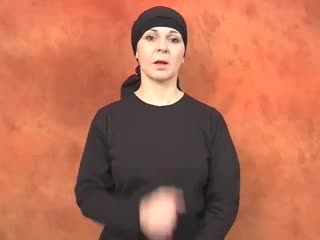
The BSL sign for angry isn't just a simple label for an emotion; it's a dynamic, powerful visual representation of how anger builds and manifests. When you see this sign, you're witnessing the physical embodiment of an internal storm. It conveys a strong, unmistakable feeling of displeasure, irritation, or even fury, making its meaning immediately clear to anyone familiar with BSL.
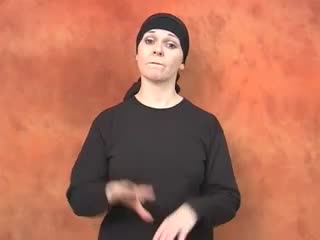
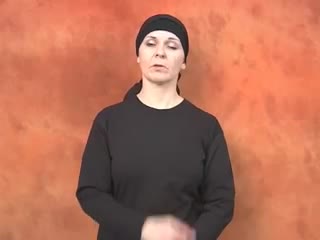
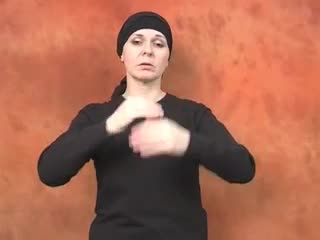
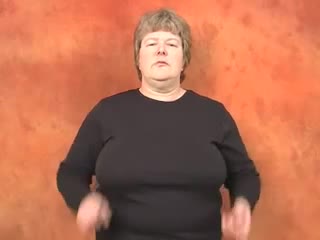
This sign effectively captures the visceral nature of anger. The action of the hand moving forcefully outwards from the core of the body suggests a build-up of pressure or energy that needs to be released. It's like an internal heat or knot in the stomach finally pushing its way out, giving the sign a raw, authentic feel that perfectly reflects the intensity of being truly angry.
What makes this sign particularly potent is its directness. There's no ambiguity; it communicates a clear, strong emotional state. The slightly curved, almost claw-like handshape adds to this intensity, subtly hinting at tension, readiness, or even a desire to grip and confront the source of the anger. It’s a sign that demands attention and instantly conveys the gravity of the emotion being expressed.
When This Sign Feels Natural
You'll find yourself reaching for the BSL sign for angry when describing situations where someone is genuinely furious, exasperated, or boiling with rage. It's the sign you use when the emotion is significant, not just a fleeting annoyance. Think about moments of deep frustration, a sudden burst of temper, or a sustained feeling of resentment – this sign fits them all.
This sign is incredibly versatile for expressing strong negative emotions, whether you’re recounting a momentary outburst or describing someone's ongoing temperament. It’s perfectly natural in both casual conversations with friends and more serious storytelling scenarios. Consider the weight of the emotion: if someone is simply mildly irritated, you might use a different facial expression or a slightly softer execution, but `ANGRY` typically implies a more profound emotional state.
Using `ANGRY` feels natural when you want to make sure the strength of the emotion is understood without question. It carries an inherent emotional weight that makes it suitable for moments of conflict, expressing personal distress, or empathising with someone else’s strong feelings. It’s a sign that demands to be seen and understood in its full emotional context.
What Learners Usually Miss
One of the most common oversights learners make with the sign for angry is underplaying its inherent intensity. This isn't a gentle or subtle sign; it needs to be forceful. The hand isn't just moving idly; it's pushing outwards with conviction, directly reflecting the internal surge and outward expression of anger. If the movement is too weak or hesitant, the emotional impact is lost, and the sign can look uncertain rather than powerful.
Crucially, the facial expression is non-negotiable for this sign. A neutral or placid face while signing `ANGRY` creates a stark contradiction that looks unnatural and can confuse your audience. To truly convey anger, you need to let your face mirror the emotion: furrow your brows, tighten your jaw, perhaps narrow your eyes slightly, or even show a hint of a frown. Your facial expression should amplify, not diminish, the message your hands are sending.
Another subtle but important point is the rhythm and sharpness of the movement. The sign for angry is often a quick, decisive thrust, not a slow, drawn-out motion. This crispness reflects the sudden, often explosive nature of anger. Practise making the movement sharp and deliberate, ensuring it conveys the immediate and powerful surge of emotion, rather than a gradual or lingering feeling.
A Simple Way to Remember It
Think of anger as a powerful emotion that often feels like it's building up inside you, causing a physical sensation in your core, and then needs to burst out or be vented. This sign visually captures that very experience, making it incredibly intuitive to recall.
- The Stomach/Chest Origin: The sign starts near your stomach or solar plexus, which is precisely where many people physically feel anger accumulate – that familiar knot, heat, or tightness in the gut. It's where the emotion truly begins to churn.
- The Forceful Outward Movement: The strong, direct movement of the hand pushing outwards from your body is a perfect metaphor for anger "exploding" or being "vented." It's like you're pushing away the feeling, or expressing it forcefully towards the cause of your frustration.
- The Bent, Claw-like Handshape: The slightly curved, almost tensed handshape can remind you of the physical tension and gripping sensation that anger often creates. It embodies the tightness and readiness that comes with strong displeasure, as if your hand is ready to grasp or confront.
Short Practice Situations
- When I saw the deliberate damage to the park bench, I felt incredibly angry.
- My friend was really angry about the sudden cancellation of their long-awaited holiday flight.
- Don't make your neighbour angry by constantly leaving your bins out in front of their house.
- The football manager looked quite angry after his team conceded a goal in the final minute of the match.
- I felt intensely angry when I heard the news about the injustice.
Signs to Learn Next
- FRUSTRATED: Often a precursor or close companion to anger, learning `FRUSTRATED` helps you distinguish between a simmering irritation and outright rage, giving you more nuanced options for expressing displeasure.
- SAD: Understanding `SAD` allows you to express another fundamental strong emotion. Practising both `ANGRY` and `SAD` highlights how different internal emotional states translate into distinct external BSL forms and expressions.
- CALM: This sign provides a beautiful and direct contrast to `ANGRY`. Practising opposites like `ANGRY` and `CALM` is an excellent way to solidify the meaning, physical execution, and accompanying facial expressions of both signs.
- UPSET: While similar in category, `UPSET` can often convey a milder form of distress or displeasure than `ANGRY`. Learning `UPSET` expands your vocabulary for negative feelings, allowing you to choose the most appropriate intensity.
- EXCITED: Although a positive emotion, `EXCITED` shares a similar requirement for strong, expressive movement and facial engagement. Comparing `ANGRY` and `EXCITED` can help you understand how BSL conveys strong emotional intensity, regardless of the emotion's polarity.