What This Sign Means in BSL
The BSL sign for football is one of those wonderfully direct and energetic signs that often brings a smile to people's faces. It's used primarily to refer to the sport of football itself, as well as the object – the football. When you see someone signing it, you're immediately clear on the topic: whether it's a big match, a casual kickabout in the park, or simply discussing the beautiful game.
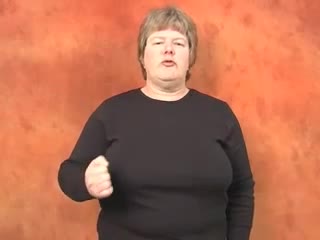
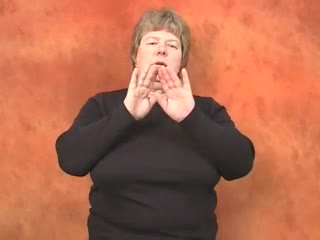
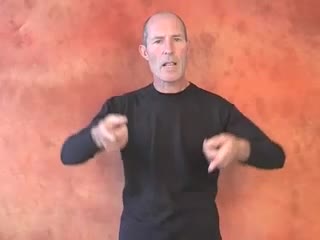
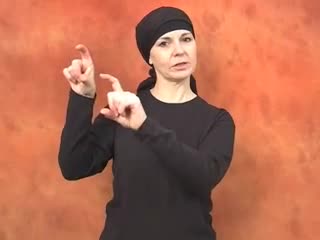
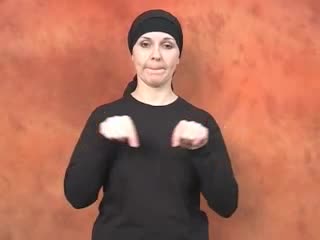
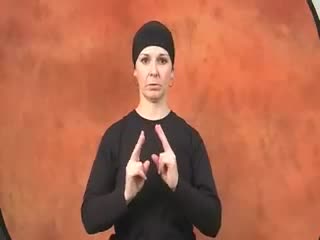
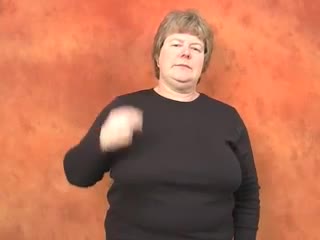
What's particularly engaging about this sign is its iconic quality. The handshape, with both hands forming a loose 'C' or slightly curled 'S', held together and repeatedly tapping, beautifully mimics the action or presence of a football. It suggests either the shape of the ball itself or the rapid, light touches players make during a game. This direct visual connection makes it highly memorable and relatively easy for new learners to pick up.
It's a foundational sign, especially if you're keen on sports. People often learn it early because football is such a pervasive part of British culture, creating many opportunities to use it in conversation. It carries a general, enthusiastic tone, making it suitable for almost any discussion about the sport, from casual chats with friends to more formal reporting on results. This isn't a sign burdened with complex layers of meaning; its power lies in its clarity and universal recognition within the BSL community.
When This Sign Feels Natural
You’ll find yourself reaching for the BSL sign for football in a wide array of everyday situations. Imagine you're asking a friend, "Are you watching the match tonight?" or telling someone about your plans to "play football this weekend." It fits perfectly when discussing local teams, international tournaments like the World Cup, or even just sharing your passion for the sport. It's a go-to sign when the topic shifts to anything involving the sport itself or the ball.
This sign is incredibly versatile in terms of register and audience. It’s perfectly at home in a casual chat with friends at a Deaf club, just as it would be understood in a more formal presentation about sports events or a news report. It's a core vocabulary item that most BSL users will recognise instantly, making it a safe and natural choice in almost any social context where football is the subject. You don't need to worry about it being too informal or overly formal; it simply is the sign for football.
While the sign itself refers to the noun (the sport or the ball), it often works hand-in-hand with other signs to convey a complete thought. For instance, you might sign "I" + "LIKE" + "FOOTBALL" to express your enjoyment, or "WE" + "GO" + "PLAY" + "FOOTBALL" to suggest an activity. There’s rarely a need to find an alternative sign for "football" in BSL; it's quite unique. However, remember that "football" is the noun; if you want to sign the action of kicking a ball, you would use the sign for "KICK," which is a distinct, though related, verb.
What Learners Usually Miss
One common snag for learners getting to grips with the BSL sign for football is achieving the correct handshape. It's not a tightly clenched fist, nor is it a completely open flat hand. Think of it as a relaxed, loose 'C' shape, or a modified 'S' hand where your fingers are gently curled, almost as if you're lightly holding something spherical, but with your palms facing each other. The key is relaxation; tension in your hands will make the sign look stiff and unnatural. Ensure both hands mirror each other perfectly for symmetry.
Another subtle but crucial element is the movement. Many learners might perform a single tap, but the sign for football involves repeated light tapping of the hands together. This repeated motion is what truly gives the sign its character – it evokes the bounce of a ball, the quick touches of players, or the sustained energy of a game. It's a quick, light, rhythmic tap, not a heavy or slow impact. Practise making it feel bouncy and fluid.
Finally, pay attention to the location of the sign. It should comfortably sit in your signing space, typically between mid-chest and waist level. Some learners might accidentally sign too high, near their shoulders, or too low, closer to their hips. Keeping it centered in this mid-body region ensures clarity and looks natural within the standard BSL signing space. And while the sign itself is fairly neutral, if you're discussing a favourite team or an exciting match, allowing a little enthusiasm to show in your facial expression – a slight smile, bright eyes – adds wonderful nuance and personality to your signing. The sign is the core, but your face is the seasoning!
A Simple Way to Remember It
To easily recall the BSL sign for football, try to connect its form directly to the game itself. Imagine your hands are either lightly cradling a small football or that their repeated tapping motion represents the lively bounce of a ball on the ground, or even the rapid footwork players use to control it. The visual and kinetic connection is strong here, making it one of those signs that feels intuitive once you grasp the imagery.
- The Ball's Shape: Your two relaxed, curved hands coming together subtly suggest the roundness of a football, as if you're shaping or encompassing it.
- The Bounce and Rhythm: The repeated tapping movement vividly represents the continuous action and rhythm of a football game, like a ball being dribbled or repeatedly kicked.
- Central to Play: Keeping the sign in the mid-chest to waist area can remind you that the football itself is central to the game, always in focus within the playing field.
Short Practice Situations
- You want to ask a friend about their weekend plans: "Are you going to watch the football match on Saturday?"
- Describing a recent event: "The stadium was absolutely packed for the big football final last night."
- Discussing hobbies: "My children love playing football in the garden every evening after school."
- Making a suggestion: "How about we go and see a live football game sometime next month?"
- Expressing a preference: "I much prefer watching football over rugby; it's just so much more exciting!"
Signs to Learn Next
- PLAY (GAME): This sign naturally pairs with "football" when you're talking about the act of playing the sport or referring to a specific game. For example, "Are you playing football?"
- KICK: Essential for describing the core action in football. Understanding "KICK" allows you to talk about how goals are scored or how the ball is moved around the pitch.
- GOAL: Crucial for discussing outcomes and scores in football. You'll often see "FOOTBALL" and "GOAL" together when people are celebrating or lamenting game results.
- TEAM: Football is a team sport, so learning this sign is vital for discussing clubs, players, and competitive structures within the game.
- SPORT: A broader category that "football" falls under. Knowing "SPORT" allows you to discuss general athletics and compare football to other physical activities.