What This Sign Means in BSL
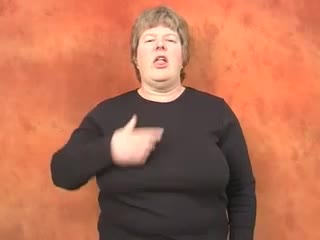
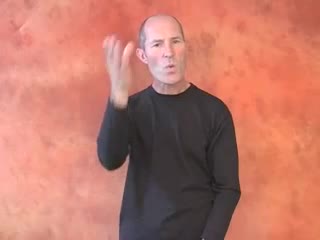
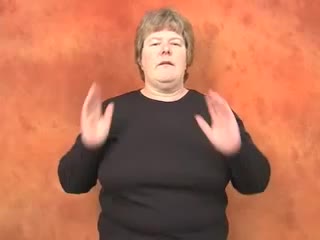
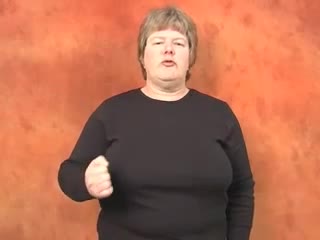
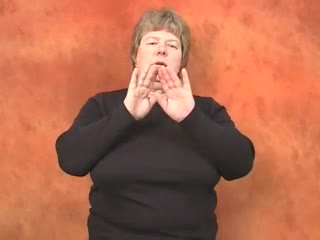
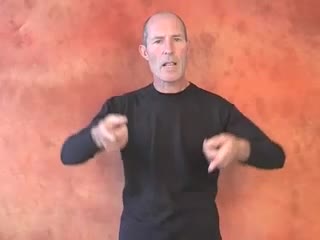
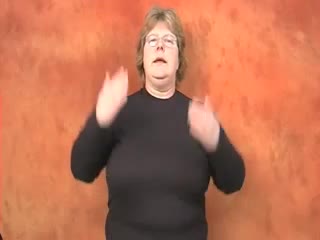
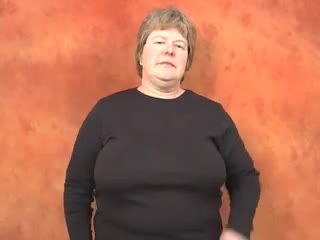
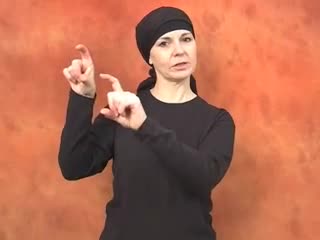
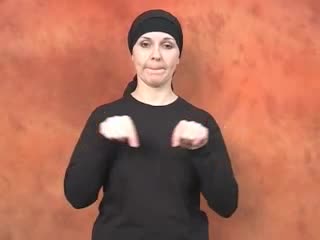
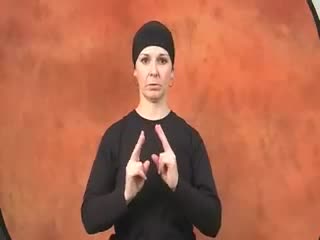
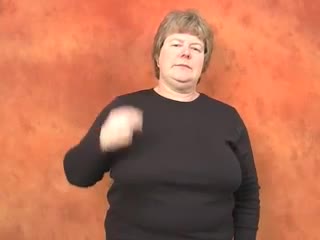
The BSL sign for hunger is a wonderfully direct and intuitive way to express one of our most fundamental human needs. At its core, it's about conveying that internal, gnawing sensation in your stomach when it's time to eat. You're using a specific handshape and movement at a precise location on your body, making it a clear and unambiguous sign in British Sign Language. It captures the physical experience, rather than just the abstract concept, allowing you to communicate that feeling with clarity.
What makes this sign particularly effective is how it visually embodies the feeling. The slightly curved, almost claw-like handshape mimics a gentle clenching or a sense of emptiness within, and the downward motion feels like the internal pull or hollowness one experiences. This isn't a sign for general discomfort, but specifically for the need for sustenance. It's a sign that resonates with everyone because the feeling it represents is universal, and BSL users appreciate its straightforwardness.
Think of it as signing directly from the heart of the feeling. It's not overly dramatic, nor is it overly subtle; it strikes a balance that makes it highly effective for everyday communication. When you sign "hunger," you're not just conveying a word; you're sharing a physical state, and that's a powerful aspect of BSL's visual language.
When This Sign Feels Natural
This sign feels most natural in everyday, conversational contexts where you or someone else is experiencing a literal need for food. It’s perfect for letting family know you’re ready for dinner, asking a friend if they’re getting peckish, or even commenting on your own rumbling stomach after a long day. It’s a versatile sign that fits comfortably into both informal chats and more formal discussions about meal times or physiological states. Its directness means you don't need to add much context when using it in a straightforward sentence like "I am hungry."
You'll find yourself using "hunger" when making plans around food, such as "I'm hungry, shall we grab a bite?" or "After that walk, I was really hungry!" It's also appropriate when observing someone else, for example, if a child seems restless and you suspect they might be feeling hungry, you might sign "Are you hungry?" It conveys a genuine concern and understanding of basic needs. While it expresses a basic need, its use is quite broad and isn't restricted by register; you can use it with anyone, from close friends to new acquaintances.
However, it's important to remember that this sign specifically refers to physical hunger. You wouldn't typically use this BSL sign for abstract "hunger" like a "hunger for knowledge" or a "hunger for success." For those more metaphorical uses, BSL would typically use different signs or descriptive phrases to convey the abstract concept. Stick to its primary meaning of needing food, and you'll use it naturally and correctly.
What Learners Usually Miss
One of the most common things learners miss with the BSL sign for hunger is the precision of the handshape and its gentle yet distinct movement. Many new signers might use a completely flat hand or a too-tight "C" shape, or they might make the movement too aggressive, like a jab, or too weak, like a vague flutter. The handshape should be a flattened C, with fingers slightly curved and relaxed, almost like a soft claw. The movement is a subtle downward and slightly inward/outward motion, suggesting a gentle internal pull, not a forceful action. It's a feeling, not an attack, so the sign should reflect that internal sensation rather than an external gesture.
Another crucial element often overlooked is the location and the accompanying facial expression. The sign happens specifically at the upper stomach or lower chest area, which is where many people physically feel the sensation of hunger. Performing the sign too high on the chest or too low on the abdomen can make it less clear. Even more importantly, the facial expression is vital. A neutral face while signing "hunger" often diminishes its impact. A slight softening of the eyes, perhaps a subtle downturn of the mouth or even a gentle furrow of the brow, can convey the degree of hunger – from mildly peckish to genuinely ravenous. Without this non-manual feature, the sign loses much of its natural expressiveness and authenticity.
Finally, learners sometimes over-emphasise the repetition or intensity, thinking "more movement equals more hunger." While a slightly more pronounced movement might suggest greater hunger, it's more effectively conveyed through the facial expression and the overall context. Focusing on a crisp, clear single movement for "hunger" is usually sufficient. Overuse or an overly exaggerated motion can sometimes make the sign feel less natural or even seem like a caricature. Aim for a confident, singular execution of the sign, letting your face do the heavy lifting for intensity.
A Simple Way to Remember It
To really lock the BSL sign for hunger into your memory, think about the physical sensation itself. Imagine your stomach feeling a bit empty, perhaps a gentle, internal drawing-in feeling. The sign embodies this internal sensation, making it a very logical and easy-to-recall movement.
- The "Empty Grab": Visualise your hand as gently trying to "grab" or acknowledge the emptiness in your stomach. The flattened C-hand is like your internal organs gently clenching.
- The "Dropping Feeling": The downward motion directly reflects that common sensation of your stomach "dropping" or feeling hollow when it's empty and craving food.
- The "Stomach Spot": The location on your upper stomach/lower chest is exactly where most people experience that physical gnawing or emptiness. It's literally pointing to where the hunger lives.
Short Practice Situations
- You've just finished a long meeting and turn to a colleague: "I'm hungry now, time for lunch!"
- Your friend looks a bit tired and keeps glancing at the clock: "Are you hungry? We could stop for a snack."
- You're planning a day trip and want to make sure everyone is fed: "We'll need to pack some food, or everyone will be hungry by afternoon."
- After an intense workout, you sign to yourself in the mirror: "Wow, I am really hungry!"
Signs to Learn Next
- Eat / Food: This is a natural next step, as hunger often leads directly to eating or seeking food. Learning this sign allows you to complete the thought process.
- Thirsty: Another fundamental physiological need, "thirsty" shares the commonality of being an internal bodily sensation, making it a good parallel sign to learn.
- Full / Satisfied: This sign represents the opposite state of hunger, giving you a complete vocabulary set for discussing meal satisfaction and satiety.
- Breakfast / Lunch / Dinner: Knowing these meal-time signs allows you to specify when you're hungry or what kind of food you're craving.
- Snack: Often, mild hunger calls for a snack rather than a full meal. Learning "snack" gives you more nuanced options for responding to hunger.