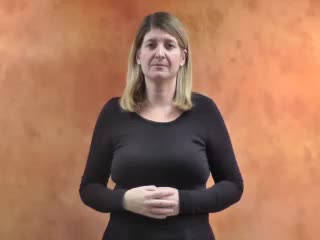
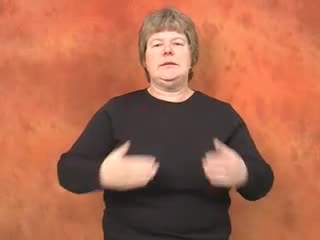
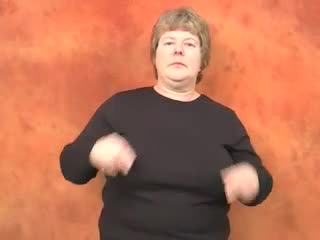
Speed
0
Practice reps times watched

Create a free account to keep your watch history and review plan.

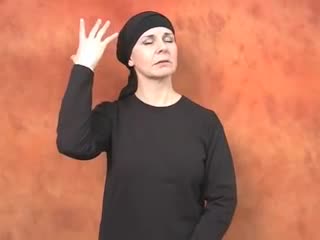
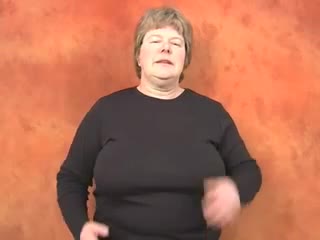
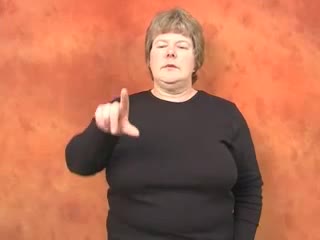
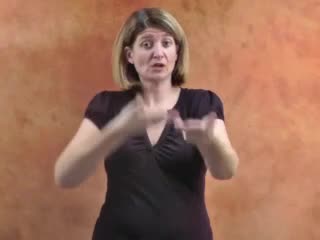
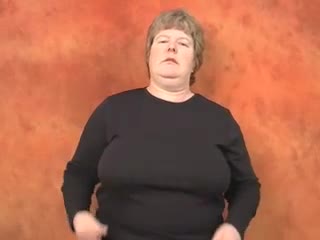
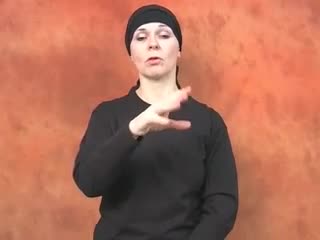
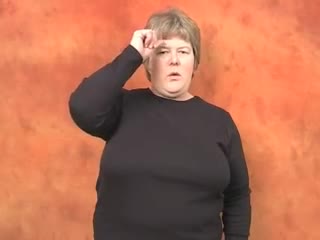
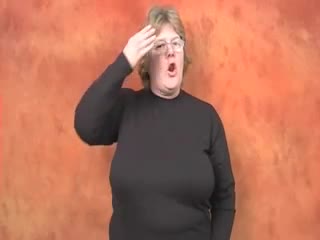
Best practice Use mirror mode, then watch the frame breakdown below to catch the start, movement, and finish cleanly.
Video via SpreadTheSign  - Free educational resource BSL
Updated April 24, 2026
British Sign Language (BSL) 🟢 Beginner 📊 A1 ⚡ Very Common Verb

want

To desire or wish for something

Source-linked video Step-by-step guide Context and safety notes
Synonyms
Desire wish like (in context of wanting)
Antonyms
Don't want reject refuse
Difficulty
Not rated yet

Create a free account to save this sign, keep your watch history, and unlock a one-note journal preview.

How to sign it
Handshape
Fingertips and thumb touch, forming a flattened O or modified B-hand
Location
Upper chest/sternum area
Movement
Hand moves away from the body in a small arc
Palm Orientation
Palm typically faces body initially, then slightly outwards
Facial Expression
Slightly eager or neutral facial expression
🔁 Spaced Review Try it free

How well do you know this sign?

WANT
Your Progress Live
🌱
Level 1 · BSL Beginner +0 XP today
This sign Not learned yet
0 watches
Mastery 0%
Confidence
How well do you know this sign?
0 🔥 Streak
0 Signs seen
0 Learned
0 Watches
📖 Vocabulary health 🔒 Log in to see score
0 Mastered
0 Confident
0 Practicing
0 Just seen

Create a free account to keep your vocabulary score between sessions

7-day activity 0 of 7 active

Register free to sync activity across devices

Watch signs to see your history here

Tracking locally for now. Create a free account to save your progress and sync across devices.
Free gets you started. Paid adds the repeat-learning layer: review queues, deeper notes, compare mode, and better comeback tools.
My Sign Journal
Personal notes, saved to your account forever
Locked

Write memory tricks, usage examples, and cultural reminders beside each sign. Create a free account to unlock your first saved note preview on this page.

Create free account Already have an account? Log in

What This Sign Means in BSL

The BSL sign for want is a wonderfully direct and clear way to express desire, preference, or a wish for something. It’s a foundational verb in British Sign Language, carrying a straightforward meaning that makes it one of the first signs many learners pick up. When you sign "want," you’re communicating a simple, unambiguous request or statement of desire, whether it's for an object, an action, or a state of being.

Unlike some signs that carry nuanced emotional layers within their core movement, "want" itself is quite neutral. The intensity or specific emotion associated with the desire is often conveyed through your non-manual features – your facial expression, eye gaze, and body posture. This makes it incredibly versatile; you can use the same basic sign to express a casual wish or a strong, heartfelt longing, simply by adapting your face.

It’s a powerful sign because it establishes personal agency and preference. You're indicating what you wish to have or what you wish to happen, making it essential for daily communication, from expressing basic needs to sharing future aspirations.

When This Sign Feels Natural

The sign for "want" feels natural in a vast array of everyday situations. Think about ordering food or a drink at a cafe: "I want coffee," or "I want a sandwich." It's perfect for expressing personal preferences in a group setting: "I want to watch that film," or "I want to go to the park." It's also suitable for making requests, like asking someone if they desire something: "Do you want to help me?" or "What do you want for your birthday?"

Its versatility means it fits comfortably across different registers. You can use "want" in a very informal chat with friends, during a more structured conversation with a service provider, or even in a classroom setting. It’s universally understood within the BSL community in the UK, making it a reliable choice for expressing desire without formality or stiffness.

While "want" is incredibly useful, sometimes you might choose a different sign for greater precision. If your desire is more about necessity, you might lean towards need. If it's simply about enjoyment or approval without a strong desire to acquire, like might be more appropriate. However, when you truly have a desire for something to become yours, or for an action to take place, the BSL sign for want is almost always the most natural and effective choice.

What Learners Usually Miss

One common subtlety learners sometimes miss with "want" lies in the handshape. While described as a "flattened O-hand," it’s not a tense, tightly pinched O. Think of it more as a relaxed, slightly cupped hand where the fingertips gently touch the thumb, creating a soft, almost receptive gesture. Beginners might make their hand too rigid, too open, or too tightly closed, which can make the sign look forced or slightly unclear. Aim for a comfortable, natural curve that allows for fluid movement.

Another point of confusion can be the movement itself. The sign moves away from the body in a small arc. Some learners mistakenly pull the hand in towards themselves or make the arc too large and sweeping. The movement for "want" is a controlled, outward projection, as if you're gently reaching for or indicating something you desire, but without fully extending your arm. It's a subtle, almost yearning motion that originates from the upper chest area, rather than a broad, expansive gesture.

Finally, while the sign itself is neutral, integrating appropriate non-manual features (NMF) is crucial for adding the nuance of your desire. A casual "want" might have a neutral expression, but if you're expressing a strong wish or longing, your facial expression should reflect that intensity. Learners often focus solely on the hand movement, forgetting that the face truly conveys the depth and emotion of what is wanted. Practice pairing the sign with different expressions – from a slight smile for a pleasant wish to a more intent look for a strong desire – to make your communication truly expressive.

A Simple Way to Remember It

To help solidify the sign for "want" in your memory, think of it as a natural, gentle gesture of reaching out for something you desire, drawing the connection between the physical movement and the internal feeling of wanting. It's an intuitive sign once you grasp the feeling behind it.

  • The Reach: Visualise your hand gently reaching outwards, away from your body, as if you are indicating or subtly moving towards something you wish to acquire or experience. The small arc away from your chest embodies this gentle reach.
  • The Heart's Desire: The location of the sign – at the upper chest or sternum – can be a powerful memory hook. Think of "want" as stemming from within you, from your heart or core, as a personal desire that you are projecting outwards.
  • The Soft Request: The flattened O-hand, with fingertips and thumb gently touching, is not aggressive but rather a soft, almost persuasive shape. It's like an open hand ready to receive, or a gentle "please" that accompanies the desire.

Short Practice Situations

  • Try signing, "I want some water, please," focusing on a relaxed handshape and the outward arc.
  • Express a preference: "Do you want to watch the news or a film tonight?" and then respond with your choice.
  • Imagine you're at a shop: "I want that red apple," pointing to the imaginary item while signing "want."
  • Ask a friend, "What do you want to do this weekend?" and then discuss the options using "want."
  • Sign, "I want to learn more BSL," with an eager facial expression to convey your strong desire.

Signs to Learn Next

  • NEED: Often confused with "want," need carries a sense of necessity or urgency, whereas "want" is about desire or preference. Learning both helps you differentiate and choose the most precise sign.
  • LIKE: While "want" expresses a desire to have or do, like conveys enjoyment or approval. You might "like" a certain food, but not necessarily "want" to eat it right at this moment.
  • HAVE: This sign often follows "want" when you're expressing a desire to possess something (e.g., "I want to *have* a new car"). Understanding "have" helps complete these kinds of phrases.
  • DON'T WANT / NOT WANT: Learning how to negate "want" is crucial. This typically involves signing "want" followed by a negative headshake or the sign for "not," allowing you to express disinterest or refusal.
  • PLEASE: Often, when you "want" something and are making a request, adding please makes your communication polite and respectful. They frequently appear together in polite requests.

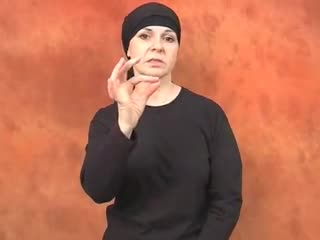
🤖 AI Learning Guide for "want"

The BSL sign 'want' uses a flattened O-hand at the upper chest, moving outwards in an arc. It conveys desire or preference

🎯 Practice Challenge

Practice signing 'I want' followed by various objects like 'food', 'drink', 'help'

⚠️ Most Common Mistake

Ensure handshape is a flattened O, not a full O or flat B. Movement should be outward arc from chest

👐 How to Sign "want" in British Sign Language (BSL) (Quick Answer)

Follow these steps to sign want correctly in British Sign Language (BSL):

  1. 1 Form a flattened O-hand
  2. 2 Place hand at upper chest, palm slightly inwards
  3. 3 Move hand outwards in a small arc
  4. 4 Finish with palm slightly outwards

Tip: Watch the video above while following these steps for best results.

🤚 Sign Profile

🤚
Handshape
Fingertips and thumb touch, forming a flattened O or modified B-hand
🔣
Handshape Code
B-mod
Dominant Hand
Right
🙌
Hand Count
One-handed
📍
Location
Upper chest/sternum area
↗️
Movement
Hand moves away from the body in a small arc
🔄
Movement Type
Arc
👆
Contact
Air
👋
Palm Orientation
Palm typically faces body initially, then slightly outwards
⚖️
Symmetry
Asymmetric

😊 Non-Manual Features

Facial expressions and body language are grammatically essential in British Sign Language (BSL) - not optional!

😊
Facial Expression
Slightly eager or neutral facial expression
🙆
Eyebrows
Neutral
👁️
Eye Gaze
At referent
🙂
Head Movement
None
👄
Mouth Morpheme
Mouth shape for 'want' (often 'wah')
🕴️
Body Shift
None

📖 Grammar & Linguistics

Part of Speech Verb
Transitivity Transitive
Inflection No
Classifier Usage N/A
Role Shift No

🎓 Learning Context

📌 When to Use: Expressing desire, preference, or need for something or someone
⚠️ Common Mistake: Confusing with 'love' or 'like' (verb), or incorrect handshape
🚫 When NOT to Use: When expressing 'need' for survival, use the specific 'need' sign for clarity
Context Tags
Desire need preference request

🧪 Practice Lab

Use these tiny checks right after watching the video. Fast feedback is what turns recognition into recall.

Meaning check

Which word matches the sign you just watched?

Usage check

Where would this sign fit most naturally?

Confidence check

How do you feel about want right now?

Pick one so SignDeaf can shape the rest of your session around how this sign actually feels.

🧭 Scenario Drill

One sign gets remembered faster when you attach it to real situations. Try these quick scene prompts.

Work

Stretch practice

Use this sign in a short workplace sentence or meeting exchange.

Family

Stretch practice

Try signing this while talking about family life or something at home.

School

Stretch practice

Imagine teaching this sign to a classmate or using it in a lesson.

Doctor

Stretch practice

Practise it in a healthcare conversation where clarity matters.

Travel

Stretch practice

Use it in a travel scenario like asking for help or directions.

💬 Example Usage

1.[en] I want tea. / BSL:[Sign I then WANT then TEA.] | 2.[en] Do you want to go? / BSL:[Sign YOU WANT GO? (with question NMM)] | 3.[en] He wants that book. / BSL:[Sign HE WANT THAT BOOK.]

1.[en] I want tea. / BSL:[Sign I then WANT then TEA.] | 2.[en] Do you want to go? / BSL:[Sign YOU WANT GO? (with question NMM)] | 3.[en] He wants that book. / BSL:[Sign HE WANT THAT BOOK.]

When to use it

Expressing desire, preference, or need for something or someone

When not to use it

When expressing 'need' for survival, use the specific 'need' sign for clarity

Register

Neutral

🌍 Cultural Context

Directness in signing 'want' is common; polite forms often involve 'please'

🗺️ Regional Variations

Minor differences in movement or exact hand placement, but core sign is consistent

⚖️ Similar Signs - What's the Difference?

This sign want
VS
Similar signs Look closely
**LOVE**: Uses a C-hand (thumb and index finger forming a C) at the chest, moving inwards or tapping. "Want" uses a flattened O-hand, moving outwards. Semantically similar but visually distinct.
**LIKE (verb)**: Uses a 5-hand (open palm) at the chest, moving outwards/forward. "Want" uses a flattened O-hand. "Like" expresses enjoyment, "want" expresses desire

📝 Usage Notes

Intensity can be shown through facial expression or repetition of the sign

🏷️ Tags

Handshape

Keywords

💡
Did you know?
Repetition is key. Try signing this word 10 times, slowly at first, then at natural speed.

📚 Explore More British Sign Language (BSL) Signs

Keep building your British Sign Language (BSL) vocabulary - explore signs by category or browse the full dictionary.