What This Sign Means in BSL
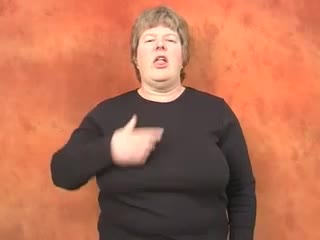
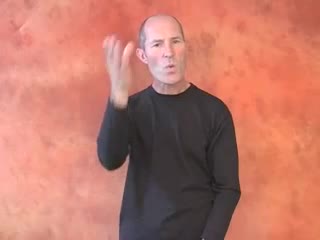
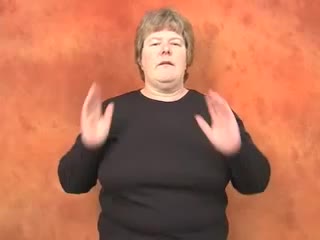
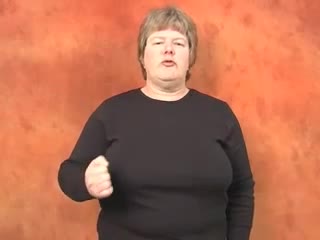
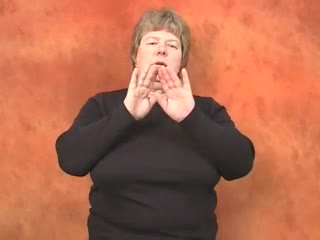
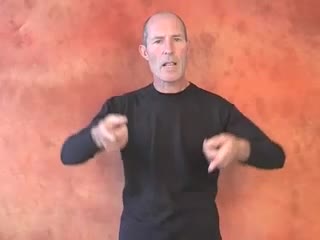
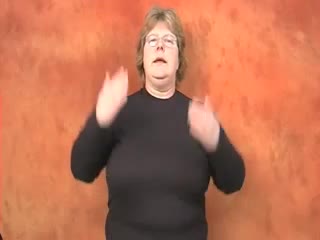
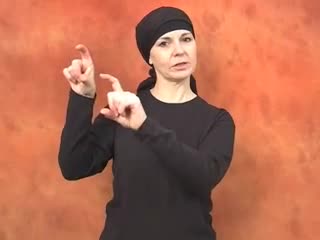
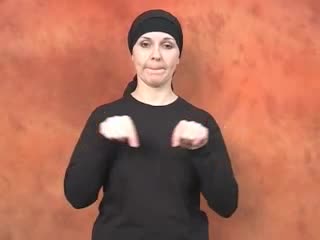
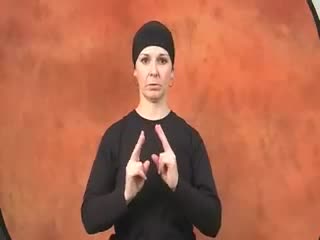
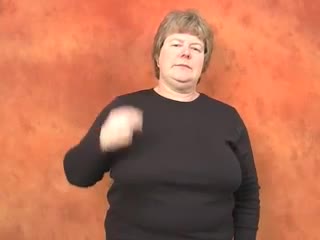
The BSL sign for basketball is a wonderfully direct and dynamic sign, immediately bringing the sport to life. It’s a noun, referring specifically to the game or the sport itself. When you use this sign, you’re not just naming an activity; you're visually representing its most iconic action – the continuous dribbling of the ball. This makes it a very intuitive sign, even for those new to BSL, because it visually mimics the physical act of playing.
You form this sign with both hands as closed fists (S-hands), held in front of your body, between your mid-chest and waist. The movement is a repeated, rhythmic downward flicking of your wrists, as if you're pushing a basketball down towards the floor. This isn't just a generic "ball" sign; the specific handshape and a firm, controlled wrist action distinctly represent the motion of dribbling, which is fundamental to basketball.
What’s particularly valuable about this sign is its clarity and universality within the British Deaf community. It’s unambiguous and instantly recognisable. You'll find it used widely across the UK, making it a reliable and effective way to discuss the sport. Its kinetic quality ensures that even without a spoken word, the concept of basketball is clearly conveyed through its visual representation.
When This Sign Feels Natural
This sign feels incredibly natural in almost any context where you're discussing the sport of basketball. Whether you're inviting a friend to a game, talking about your favourite team, or sharing memories of playing, this sign fits seamlessly. It's versatile enough for casual conversations among friends, more formal discussions about sports events, or even when teaching someone about different types of games. Its directness means you rarely need to elaborate when using it – the sign itself does much of the communicative work.
Imagine you’re asking, "Do you like basketball?" or stating, "I watched a fantastic basketball game last night." In these scenarios, the sign for basketball would be your go-to. It sets the scene, clearly identifying the subject matter. You might integrate it into a sentence about attending a match, playing recreationally, or even just expressing a general interest in the sport. It's a foundational sign for anyone who wants to discuss sports.
While this sign specifically means "basketball" (the sport), you’d pair it with other signs to convey more nuanced meanings. For example, to talk about a "basketball player," you'd sign "BASKETBALL" followed by "PLAYER" (or "PERSON"). Similarly, for a "basketball team," you'd combine "BASKETBALL" with "TEAM." The sign itself is the core noun, and its straightforward nature makes it easy to build upon with other vocabulary. You wouldn't typically use a different sign for the concept of basketball in BSL; this one is firmly established and understood.
What Learners Usually Miss
One common oversight for learners is the precise nature of the movement. It's not just a general up-and-down motion of the hands. The key lies in the repeated downward flicking of the wrists from the elbow. Imagine your hands are gripping an invisible ball, and you’re actively pushing it down, controlling its bounce. Learners sometimes move their entire forearm or even their whole arm, which makes the sign look less authentic and more like a general "bouncing" action rather than specific "dribbling." Focus on isolating that wrist flick – it’s a subtle but crucial detail.
Another point of confusion can be the rhythm and consistency. Basketball dribbling is usually smooth and continuous, and so should be the sign. Avoid jerky, uneven movements or stopping abruptly. Practice maintaining a steady, rhythmic bounce. The location is also important: keep your hands within the mid-chest to waist area, directly in front of your body. Letting your hands drift too far out to the sides or too high up can distort the visual representation and make it harder to read. The sign should convey controlled, contained energy, much like a real dribbler.
Finally, while there isn't a specific grammatical facial expression for the sign "basketball" itself, learners sometimes forget to match their expression to the context. If you're enthusiastically inviting someone to play, your face should reflect that excitement. If you're simply listing sports, a more neutral expression is fine. The sign is visually strong, but your overall body language and facial expression add an invaluable layer of meaning and emotional context. Ensure your hands are genuinely forming closed fists (S-hands), as lax fingers can make it look like you're holding something else entirely.
A Simple Way to Remember It
Remembering the sign for basketball is straightforward because it’s so visually iconic. Just picture yourself actually dribbling a basketball. The sign directly mimics that action, making it one of the easiest sports signs to recall. The two closed fists represent your hands gripping the ball, and the repeated downward wrist flick embodies the continuous bounce. Think of the rhythm, the control, and the energy of a player on the court.
- The Dribble: The most direct hook is the action itself. The sign perfectly represents the repetitive, controlled bouncing of a basketball on the court.
- Invisible Ball: Imagine you’re holding an actual basketball in your hands. The closed fists are ready to control it, and the wrists are doing the work of pushing it down.
- Rhythmic Motion: Connect the sign’s movement to the steady, energetic rhythm of a basketball game. It’s not a static sign; it has a pulse, just like the sport.
Short Practice Situations
- "Do you enjoy playing basketball with your friends at the park?"
- "My favourite sport to watch on TV is definitely basketball, especially the big championship games."
- "Let's go and try some basketball shots at the local court this weekend if the weather is good."
- "He used to be a really talented basketball player when he was younger, playing for a regional team."
- "I'm thinking of joining a new club, perhaps a basketball team, to get more exercise."
Signs to Learn Next
- SPORT: This is a natural progression. Once you know "basketball," you'll often want to talk about "sport" in general, or other specific sports like "football" or "tennis."
- PLAY (game/sport): Often used in conjunction with "basketball" when you're talking about the act of participating in the game, such as "Do you PLAY BASKETBALL?"
- BALL: Understanding the general sign for "ball" can help contextualise "basketball," as it specifies the type of ball used in the sport.
- TEAM: Basketball is inherently a team sport, so learning "team" allows you to discuss specific groups or clubs involved in the game.
- GAME (match): This sign is crucial for discussing a specific match or event, for example, "We're going to watch a BASKETBALL GAME tonight."