What This Sign Means in BSL
The BSL sign for address primarily refers to a physical location – think house number, street, town, and postcode. It's the information you'd write on an envelope or give someone so they can find you. This sign is a noun, representing the concept of a specific place where someone lives or a building is situated. It's a fundamental piece of vocabulary for everyday communication, essential for logistics, personal introductions, and navigating the world around us.
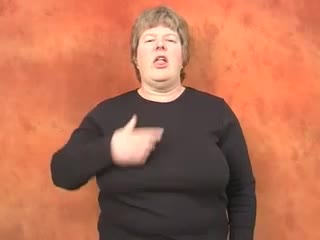
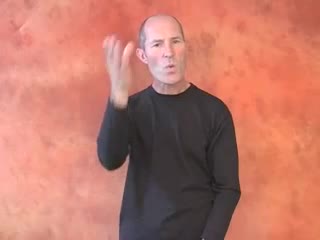
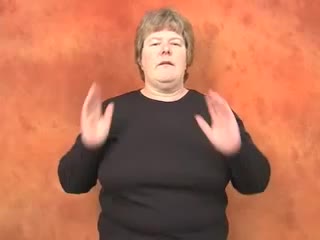
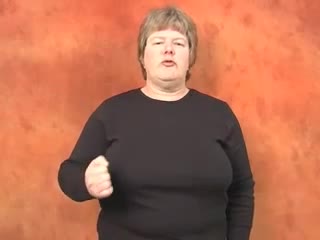
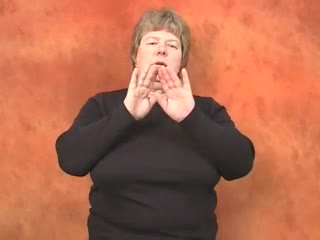
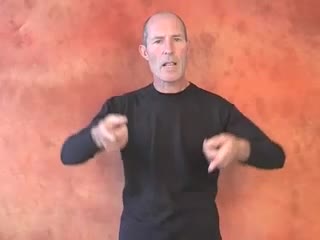
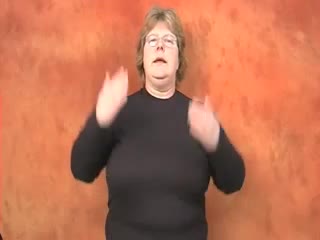
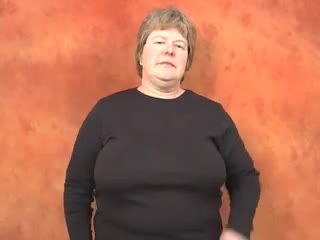
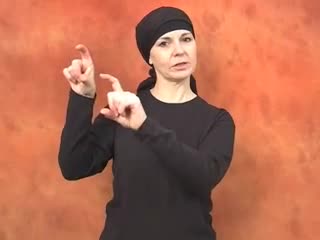
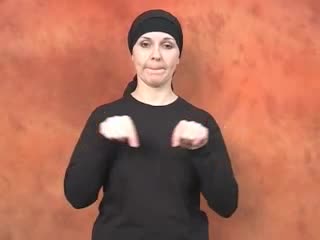
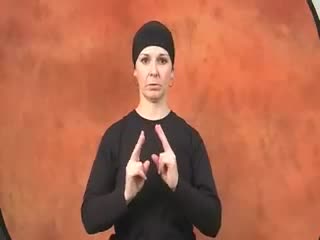
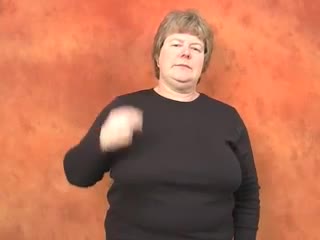
What makes this particular sign interesting is its two-part construction. It begins with the dominant index finger touching the lips, followed by the hand transitioning into a P-handshape and moving forward. This combination isn't just arbitrary; it hints at the nature of sharing personal, descriptive information ("speaking" from the lips) and then 'pointing' or 'directing' that information forward to a specific point (the P-hand moving into space). It’s a very concrete sign for a very concrete piece of information.
Understanding this sign correctly means grasping its singular purpose: it's about geographical location. It doesn't carry the meaning of "to address a problem," "to address a crowd," or "to speak to someone." Those concepts have entirely different signs in BSL. Always remember, when you see this sign, we're talking about *where* something or someone is located on a map, not *how* you communicate with them or *what* you're dealing with.
When This Sign Feels Natural
You'll find yourself using the BSL sign for address quite naturally in a range of everyday British conversations. Imagine you're making new friends and want to exchange details to send a birthday card, or perhaps you're planning a visit to a community centre and need to confirm its location. It fits seamlessly into discussions about moving house, filling out forms, or even directing a delivery driver. It’s a sign that thrives in contexts where precise locational data is needed.
The register for this sign is largely neutral, making it suitable for both casual chats with friends and more formal interactions, such as at a doctor's surgery, bank, or when dealing with official paperwork. It's universally understood across the UK Deaf community, so you don't need to worry about regional variations for this specific concept. When someone asks "What's your address?", this is the clear and concise way to respond.
Conversely, it’s important to recognise when this sign *doesn't* feel natural, and might even cause confusion. If you're discussing how to *solve* an issue, you wouldn't use this sign; instead, you'd likely use a sign more akin to 'solve' or 'deal with'. Similarly, when preparing to *speak to* a group of people, you'd use signs like 'speak', 'lecture', or 'present'. The key is to keep its noun-specific, locational meaning at the forefront of your mind. If you're tempted to use it as a verb meaning "to deal with" or "to talk to," pause and consider if there's a more appropriate sign.
What Learners Usually Miss
Many learners initially miss the precision required in the first part of the sign: the contact with the lips. It's not a general sweep or a vague gesture towards the mouth; it's a distinct, light *tap* with the tip of the dominant index finger directly on the lips. This initial contact is quick but firm, signifying the 'speaking' or 'sharing' of information. Rushing this first part or making it too broad can make the sign less clear and harder for native signers to recognise instantly.
Another common point of subtle confusion lies in the transition and formation of the P-hand. After the lip tap, the hand doesn't just loosely move forward; it actively forms a clear P-handshape (index finger extended, middle finger bent and thumb resting across it, similar to the BSL manual alphabet 'P') *before* or *as* it moves forward decisively into the signing space. Some learners might keep their index finger extended or form a different handshape, which alters the sign's meaning or makes it less distinct. The P-hand is crucial; practice transitioning smoothly and accurately to this shape.
Finally, the rhythm and flow of this sign are important. It’s a two-beat sign: *tap* (lips) then *move* (P-hand forward). Don't blend these two actions into one fluid motion, as this can obscure the clarity of each component. Give each part its moment. There's no strong facial expression typically associated with the sign itself, but context will dictate your expression – for instance, a questioning brow if you're asking for an address, or a neutral, informative look if you're giving one. Over-exaggerating facial expressions when the sign itself doesn't require it can also be a distraction.
A Simple Way to Remember It
Think of the sign for "address" as a two-stage process of sharing important location details. The initial tap on the lips can represent the act of "speaking" or "telling" someone information. The transition to the P-hand and its forward movement then symbolises "posting" or "pointing" that specific information out into the world, much like sending a letter to a particular destination.
*
Lip Tap: Connect this to the idea of *telling* or *speaking* the information. Your lips are where words come from, even in a signed language context.
*
P-Handshape: Associate the "P" with "Post" or "Place." You're sharing a postal address, a specific place.
*
Forward Movement: This final action can represent *sending* the information out, or *directing* someone to that precise location.
Short Practice Situations
- Can you tell me your address so I can send you the invitation?
- I need to update my address with the bank after moving house next month.
- What is the address of the new community centre for tomorrow's event?
- Please write down your full address on this form for registration purposes.
- Could you give me the address for the nearest post office, please?
Signs to Learn Next
- Home / House: Naturally connected, as an address usually refers to a specific dwelling. Learning this helps you put the address into context.
- Street / Road: These are components of an address, so learning them expands your ability to describe a location in more detail.
- Post / Mail: Directly relates to how an address is used – for sending and receiving letters and packages.
- Live / Reside: Often used in conjunction with "address" when discussing where someone lives or has their permanent location.
- Location / Place: A broader term, but "address" is a specific type of location. Understanding "location" helps you place "address" within a wider spatial vocabulary.