Speed
0
Practice reps times watched

Create a free account to keep your watch history and review plan.

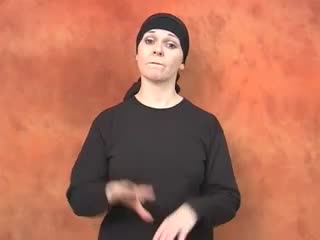
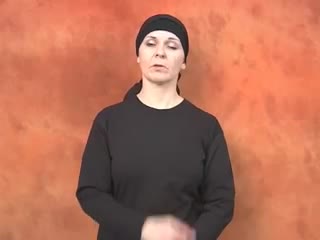
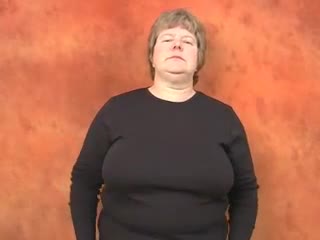
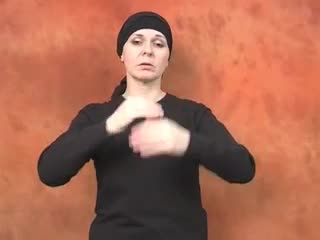
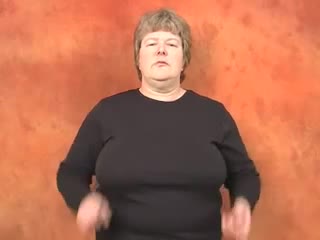
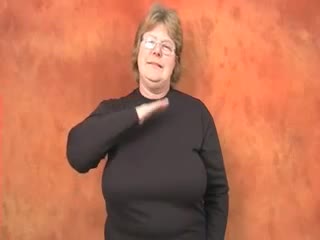
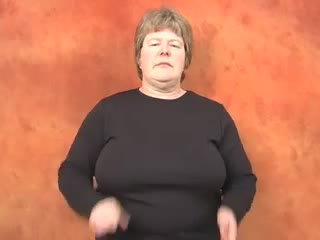
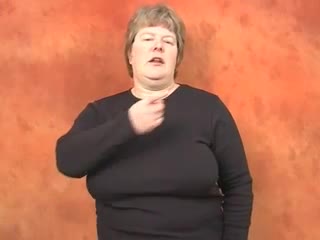
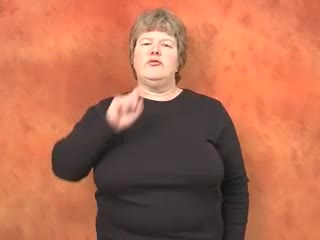
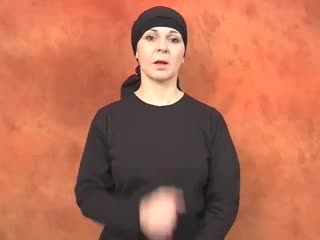
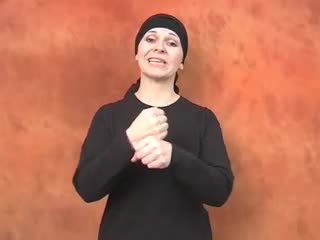
Best practice Use mirror mode, then watch the frame breakdown below to catch the start, movement, and finish cleanly.
Video via SpreadTheSign  - Free educational resource BSL
Updated April 23, 2026
British Sign Language (BSL) 🟢 Beginner 📊 A1 ⚡ Very Common Adjective

warm

Feeling pleasant heat; not cold

Source-linked video Step-by-step guide Context and safety notes
Synonyms
Hot cosy mild temperate
Antonyms
Cold cool freezing
Difficulty
Not rated yet

Create a free account to save this sign, keep your watch history, and unlock a one-note journal preview.

How to sign it
Handshape
Dominant hand flat or slightly curved, fingers together
Location
Starts at the chest, moves forward and slightly upward
Movement
Moves outward from the chest with a slight rotation
Palm Orientation
Towards body, then forward
Facial Expression
Mild smile, relaxed expression
🔁 Spaced Review Try it free

How well do you know this sign?

WARM
Your Progress Live
🌱
Level 1 · BSL Beginner +0 XP today
This sign Not learned yet
0 watches
Mastery 0%
Confidence
How well do you know this sign?
0 🔥 Streak
0 Signs seen
0 Learned
0 Watches
📖 Vocabulary health 🔒 Log in to see score
0 Mastered
0 Confident
0 Practicing
0 Just seen

Create a free account to keep your vocabulary score between sessions

7-day activity 0 of 7 active

Register free to sync activity across devices

Watch signs to see your history here

Tracking locally for now. Create a free account to save your progress and sync across devices.
Free gets you started. Paid adds the repeat-learning layer: review queues, deeper notes, compare mode, and better comeback tools.
My Sign Journal
Personal notes, saved to your account forever
Locked

Write memory tricks, usage examples, and cultural reminders beside each sign. Create a free account to unlock your first saved note preview on this page.

Create free account Already have an account? Log in

What This Sign Means in BSL

The BSL sign for warm beautifully embodies a sense of gentle comfort and pleasant temperature. It's not just about a numerical reading on a thermometer; it's about the feeling that warmth brings. Imagine a cozy blanket, a comforting hug, or the sun on your skin – that's the essence this sign captures. Your dominant hand, flat and slightly curved, represents something soft and receptive, ready to absorb or radiate this pleasant heat.

This sign is incredibly versatile, primarily referring to physical warmth, whether it’s the weather, a drink, or an object. However, its gentle movement and inherent positive feel also allow it to subtly suggest a welcoming atmosphere or a general sense of pleasantness. It sits comfortably between the more intense "hot" and the cooler "mild," occupying that sweet spot of agreeable temperature.

What makes this sign particularly intuitive is how it visually portrays warmth radiating from you. The movement starting at your chest and moving outwards isn't just a motion; it's a visual metaphor for warmth spreading, creating a sense of ease and comfort around you. It's a sign that truly feels good to make, reflecting the positive sensation it describes.

When This Sign Feels Natural

You’ll find yourself reaching for the BSL sign for warm in countless everyday scenarios. It's perfect for commenting on the weather on a pleasant spring or autumn day: "It's lovely and warm outside today." You'd use it to describe the temperature of food or drink: "This soup is still beautifully warm," or "My coffee’s gone a bit warm, I need to drink it." It's a go-to adjective for clothing items that offer comfort: "This jumper is so wonderfully warm."

Beyond literal temperature, the sign can also subtly convey a sense of comfort or a positive reception. While not its primary meaning, with appropriate facial expression and context, you could sign about a "warm feeling" in your heart, or describe a "warm welcome" you received. In these instances, the sign's inherent pleasantness enhances the emotional nuance, suggesting comfort and positivity without needing additional signs.

However, it's worth considering when a different sign might be more precise. If something is truly "boiling" or "scorching," the sign for hot would be more accurate and impactful. Conversely, if something is merely "lukewarm" or "tepid," you might modify the sign’s intensity or use an alternative description if available. Knowing when to dial the intensity up or down, or switch to a different sign entirely, shows a real grasp of BSL's expressive power.

What Learners Usually Miss

One of the most common oversights with the BSL sign for warm is neglecting the subtle, radiating quality of its movement. Learners sometimes make the movement too sharp, too flat, or too aggressive, almost like pushing something away. The key is the smooth, gentle outward motion from the chest, coupled with that slight upward trajectory and rotation. It should feel like warmth gently emanating, not being forced. Practice making the movement fluid and unhurried; it's a glide, not a jab.

Another crucial element often missed is the accompanying facial expression. For an adjective like "warm," your face should absolutely reflect the pleasantness of the sensation. A neutral or tense expression can make the sign feel purely descriptive, stripping it of its inherent comfort and positivity. A soft, relaxed smile, perhaps a slight tilt of the head, or even just a general look of contentment will elevate your sign from merely correct to truly expressive. Think about how your face feels when you’re truly comfortable and warm.

Finally, the duration and finish of the sign are more important than many learners realise. The sign for warm isn't a quick flick; it has a sustained quality, much like warmth itself. Don't rush the end of the movement; allow it to complete its gentle outward arc. Sometimes, holding the final position briefly, or repeating the sign with a slightly softer touch, can effectively convey "very warm" or "comfortably warm" without needing additional intensifiers. This nuanced timing adds significant depth to your communication.

A Simple Way to Remember It

To help this sign stick in your memory, connect its physical form directly to the feeling it evokes. Think of the sign as literally showing warmth emanating from your core, spreading outwards to create a comforting atmosphere.

  • Radiating from Your Heart: Imagine the warmth starting deep within your chest, near your heart, and gently spreading outwards, just like a comforting feeling or actual body heat.
  • A Gentle Caress: The flat, slightly curved handshape and smooth movement feel like a soft, gentle caress or a warm hand being placed on something, conveying comfort rather than intensity.
  • Pushing Warm Air: Picture yourself gently pushing a wave of warm, pleasant air away from you, sharing or extending that comfortable temperature into your surroundings.

Short Practice Situations

  • The sun feels wonderfully warm on my face today after a long week of rain.
  • I love wrapping myself in this warm blanket on a chilly evening with a good book.
  • Make sure the baby's milk is warm, not too hot, before you give it to them.
  • We received such a warm welcome at the community centre; everyone was so friendly.
  • The water in the swimming pool was surprisingly warm, making it very inviting.

Signs to Learn Next

  • HOT: This is a natural next step, as it contrasts directly with "warm." Learning "hot" will highlight the difference in intensity, movement (often more vigorous), and facial expression, helping you distinguish between pleasant warmth and uncomfortable heat.
  • COLD: Another fundamental temperature sign, "cold" often involves a distinct handshape and movement (like shivering), providing a clear opposite to "warm" and completing your basic temperature vocabulary.
  • WEATHER: Since "warm" is frequently used to describe weather conditions, learning the general sign for "weather" will give you the context to discuss temperatures in a broader sense.
  • COSY/COMFORTABLE: "Warm" often implies comfort, so learning signs like "cosy" or "comfortable" will allow you to express the deeper feeling of well-being that warmth often brings, extending beyond just temperature.
  • WELCOME: Given that "warm" can describe a "warm welcome," learning the sign for "welcome" itself will help you combine the concepts and articulate acts of hospitality with appropriate emotional nuance.

🤖 AI Learning Guide for "warm"

The BSL sign for WARM uses a dominant flat or slightly curved hand, moving outward from the chest with a gentle rotation. This movement conveys a sensation of spreading warmth

🎯 Practice Challenge

Sign 'warm' three times, focusing on expression. | Sign 'I feel warm today'

⚠️ Most Common Mistake

Ensure hand starts near chest, moves outward with a slight twist. Maintain a pleasant facial expression

👐 How to Sign "warm" in British Sign Language (BSL) (Quick Answer)

Follow these steps to sign warm correctly in British Sign Language (BSL):

  1. 1 Form flat or slightly curved hand, fingers together
  2. 2 Place near chest, palm towards body
  3. 3 Move hand forward and slightly upward
  4. 4 Slightly rotate palm as it moves outward

Tip: Watch the video above while following these steps for best results.

🤚 Sign Profile

🤚
Handshape
Dominant hand flat or slightly curved, fingers together
🔣
Handshape Code
B-hand (curved)
Dominant Hand
Either
🙌
Hand Count
One-handed
📍
Location
Starts at the chest, moves forward and slightly upward
↗️
Movement
Moves outward from the chest with a slight rotation
🔄
Movement Type
Arc
👆
Contact
Near
👋
Palm Orientation
Towards body, then forward
⚖️
Symmetry
Asymmetric

😊 Non-Manual Features

Facial expressions and body language are grammatically essential in British Sign Language (BSL) - not optional!

😊
Facial Expression
Mild smile, relaxed expression
🙆
Eyebrows
Neutral
👁️
Eye Gaze
Forward
🙂
Head Movement
None
👄
Mouth Morpheme
'mm' or 'phew'
🕴️
Body Shift
None

📖 Grammar & Linguistics

Part of Speech Adjective
Transitivity Intransitive
Inflection Yes
Classifier Usage N/A
Role Shift No

🎓 Learning Context

📌 When to Use: Describing temperature of objects, weather, or personal feelings of comfort
⚠️ Common Mistake: Confusing with 'hot' or 'feel', incorrect handshape
🚫 When NOT to Use: When meaning 'enthusiastic' or 'friendly' (use different signs)
Context Tags
Weather feelings comfort temperature pleasant

🧪 Practice Lab

Use these tiny checks right after watching the video. Fast feedback is what turns recognition into recall.

Meaning check

Which word matches the sign you just watched?

Usage check

Where would this sign fit most naturally?

Confidence check

How do you feel about warm right now?

Pick one so SignDeaf can shape the rest of your session around how this sign actually feels.

🧭 Scenario Drill

One sign gets remembered faster when you attach it to real situations. Try these quick scene prompts.

Work

Stretch practice

Use this sign in a short workplace sentence or meeting exchange.

Family

Stretch practice

Try signing this while talking about family life or something at home.

School

Stretch practice

Imagine teaching this sign to a classmate or using it in a lesson.

Doctor

Stretch practice

Practise it in a healthcare conversation where clarity matters.

Travel

Stretch practice

Use it in a travel scenario like asking for help or directions.

💬 Example Usage

1.[en] The tea is warm. / BSL:[TEA WARM] | 2.[en] I feel warm. / BSL:[I FEEL WARM] | 3.[en] Is it warm outside? / BSL:[OUTSIDE WARM QUESTION]

1.[en] The tea is warm. / BSL:[TEA WARM] | 2.[en] I feel warm. / BSL:[I FEEL WARM] | 3.[en] Is it warm outside? / BSL:[OUTSIDE WARM QUESTION]

When to use it

Describing temperature of objects, weather, or personal feelings of comfort

When not to use it

When meaning 'enthusiastic' or 'friendly' (use different signs)

Register

Neutral

🌍 Cultural Context

Often accompanied by a pleasant facial expression to enhance meaning

🗺️ Regional Variations

Minor variations in movement arc or hand curve exist

⚖️ Similar Signs - What's the Difference?

This sign warm
VS
Similar signs Look closely
WARM vs. HOT: WARM is a gentle, spreading outward movement. HOT is more vigorous, faster, with a sharper twist, conveying greater intensity. WARM vs. COLD: WARM moves outward from the chest, spreading warmth. COLD uses two 'S' hands shaking at chest level, depicting shivering. WARM vs. FEEL: FEEL uses a similar handshape but touches the chest then moves forward or stays, without the same outward arc and rotation, focusing on sensing generally

📝 Usage Notes

Facial expression is crucial to convey the pleasant feeling. Can be repeated for emphasis

Frequently Asked Questions

Common questions about the British Sign Language (BSL) sign for "warm".

🏷️ Tags

Handshape

Keywords

💡
Did you know?
SpreadTheSign has 600,000+ sign language videos across 40+ sign languages - all free to view.

📚 Explore More British Sign Language (BSL) Signs

Keep building your British Sign Language (BSL) vocabulary - explore signs by category or browse the full dictionary.