What This Sign Means in BSL
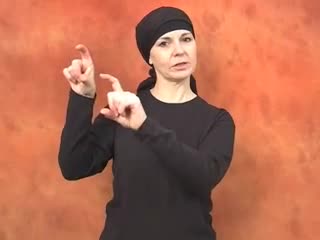
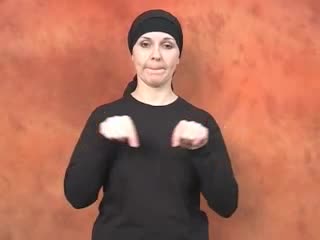
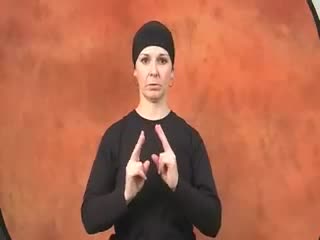
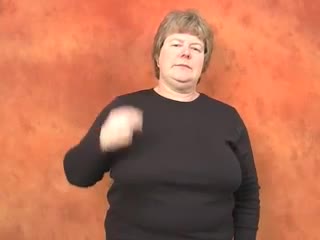
The BSL sign for safety isn't just a word; it’s a concept imbued with a sense of protection, security, and the absence of harm. When you see or use this sign, you're communicating a fundamental human need and condition: the state of being safe. It’s a noun, representing the overall quality or state, rather than the act of making something safe (which might be 'protect') or the descriptor 'safe' itself.
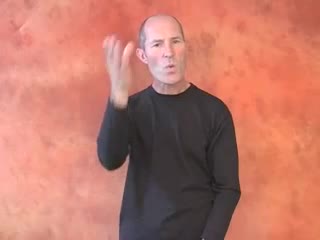
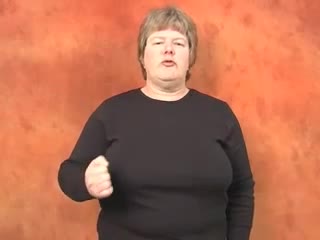
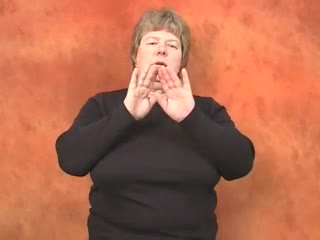
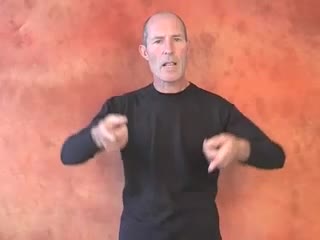
The sign itself is quite direct and firm, reflecting the solid and dependable nature of true safety. The dominant S-hand, a closed fist with the thumb across the fingers, conveys strength and containment. This isn't a gentle or fleeting sign; its deliberate forward and slightly downward movement asserts a boundary or establishes a secure space. It speaks to a feeling of being guarded and free from threat, whether physically, emotionally, or within a given environment.
This sign is a bedrock concept in BSL, often forming part of broader discussions about well-being, community care, and responsibility. Its importance transcends simple vocabulary, touching upon cultural values where the safety of individuals and groups is paramount. Understanding this sign deeply means grasping the weight and reassurance it carries in a signed conversation.
When This Sign Feels Natural
You’ll find the sign for safety feels perfectly natural in a wide array of real-life situations. Imagine a workplace briefing where someone is discussing "health and safety procedures," or a parent asking, "Are the children's toys safe?" It fits seamlessly into conversations about personal well-being, public regulations, or even just checking in on someone's emotional state, asking if they feel secure and out of harm's way.
This sign is quite versatile in terms of register, meaning you can use it in both casual chats among friends and more formal discussions. The context, along with your facial expression and overall body language, will subtly adjust its tone. For instance, a concerned brow accompanying the sign might ask, "Are you safe?" after an incident, whereas a neutral, informative expression might accompany a statement about "ensuring safety standards."
However, it’s helpful to know when to opt for a different sign. If you're talking about the *action* of keeping something safe, "protect" might be a better choice. If you're describing a *place* as being without danger, you might sign "safe" (as in, not dangerous) or "secure." The sign for 'safety' specifically refers to the noun – the state or condition itself. For example, you wouldn't typically use it to describe a "safe journey," but rather the "safety of the journey." It's about the abstract concept and its presence or absence.
What Learners Usually Miss
One common subtlety learners often miss with the BSL sign for safety is the *firmness* of the handshape and movement. It’s not just a casual push; the S-hand (fist with thumb across fingers) needs to be held robustly, and the forward, slightly downward motion should be deliberate and strong. Imagine you’re really asserting a boundary or solidifying a protective barrier. A relaxed hand or a weak movement can dilute the intended meaning of security and protection, making it less impactful.
Another area where learners sometimes falter is the precise direction and extent of the movement. The sign starts near your non-dominant wrist or forearm and moves distinctly forward and slightly down, ending in neutral space. Some learners might move it too high, too much to the side, or make the movement too short and abrupt. The clear, outward trajectory is crucial, as it visually represents the extension of safety, like pushing a protective field outwards or establishing a secure zone in front of you.
Finally, there's a tendency to sometimes overuse "safety" when a more specific BSL sign might be more appropriate. Remember, this sign refers to the *noun* – the state of being safe. If you mean 'to protect someone,' the sign for PROTECT would be better. If you're describing a 'safe place,' you might sign 'PLACE' then 'DANGER-NONE.' Practising discernment will help your signing become more natural and precise, ensuring you convey exactly the right nuance without redundancy.
A Simple Way to Remember It
Think of the sign for safety as a powerful, reassuring gesture that clearly marks out a secure space. It’s like you are holding onto something incredibly important and precious with a firm grip, and then extending that protection outwards to create a zone free from harm. The solidity of your hand and the purposeful movement combine to project a feeling of unwavering security.
- Holding a Treasure: The firm S-hand, a tight fist with your thumb across the fingers, visually suggests you are holding something precious securely, keeping it safe from harm.
- Establishing a Barrier: The forward and slightly downward movement can be imagined as pushing potential threats away, clearly marking a safe boundary or establishing a protected area in front of you.
- Extending Protection: Starting near your body (non-dominant forearm) and moving outwards, the sign evokes the image of a shield expanding its protective reach, offering security to yourself or others.
Short Practice Situations
- "We must always prioritise workplace safety for everyone on the team."
- "Are you sure you feel a strong sense of safety when you’re out alone at night?"
- "When planning any event, child safety is always our most critical concern."
- "It’s essential for us to discuss and improve the safety measures in our community."
Signs to Learn Next
- PROTECT: This sign is closely linked as protection is often the action taken to achieve safety. Learning it will help you differentiate between the state (safety) and the act (protect).
- SECURE: Often used in contexts of physical security, like a secure building or a secure system. Understanding 'secure' helps you distinguish it from the broader concept of 'safety.'
- DANGER: The direct opposite of safety, mastering 'danger' provides a crucial counterpoint and deepens your understanding of what safety aims to prevent.
- RISK: Knowing 'risk' is vital because assessing and mitigating risks is fundamental to ensuring and maintaining safety in any situation.
- CARE: While 'safety' is about protection from harm, 'care' involves looking after someone's well-being more broadly, often encompassing safety as one aspect.