What This Sign Means in BSL
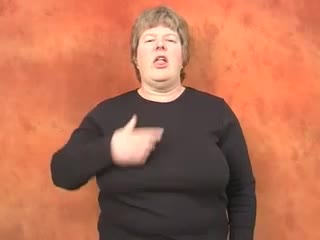
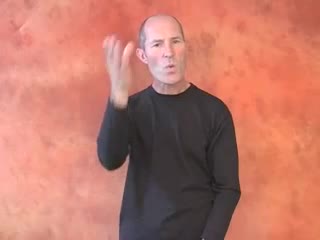
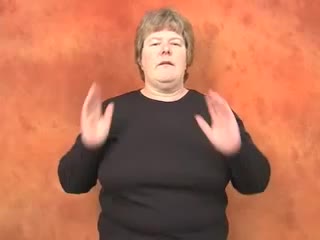
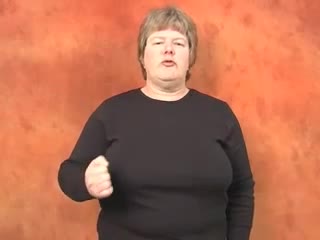
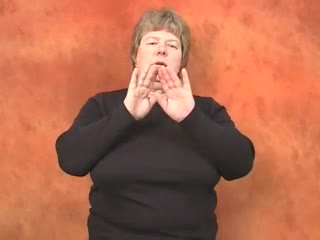
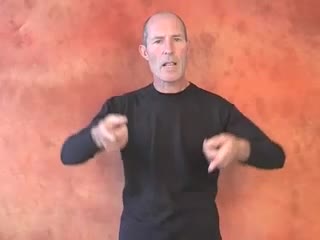
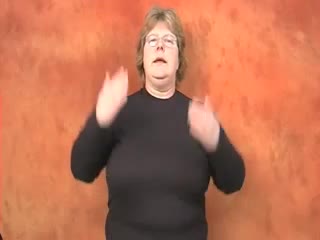
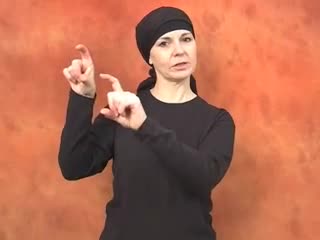
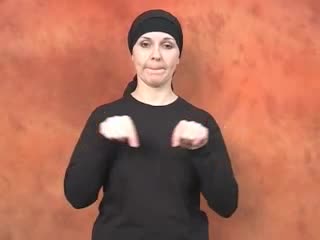
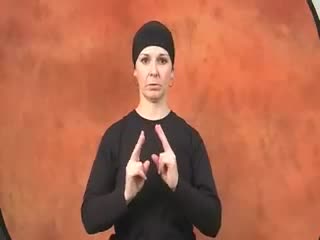
The BSL sign for shower beautifully captures the essence of water cascading down. It's a highly visual and intuitive sign, immediately conveying the action of showering without needing extra context once you understand its core components. When you see this sign, you’re not just seeing a word; you’re almost feeling the spray of water, making it a very effective and memorable piece of BSL vocabulary. It’s a noun, referring to the act or the apparatus, and its physical form reflects this directly.
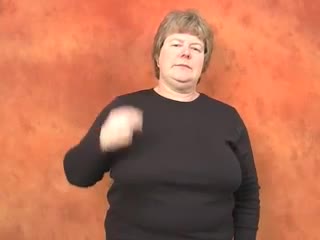
What makes this sign particularly expressive is the dynamic movement of your fingers. They don't just stay still; they wiggle downwards repeatedly. This isn't just a stylistic choice; it's what truly sells the idea of water droplets. The slight curl in your fingers and their spread position further enhance this image, mimicking the way water might disperse from a showerhead. It’s a sign that relies heavily on its movement to convey its full meaning, making it feel lively and active.
Situated near the temple or side of the head, the sign also hints at the common experience of water running over one's head when showering. This location grounds the sign in a relatable bodily experience, reinforcing its meaning. It’s a sign that feels very personal and connected to daily routine, carrying a straightforward and unambiguous tone. There's no hidden nuance or complex metaphor; it simply means "shower" in its most direct form.
When This Sign Feels Natural
This BSL sign feels completely natural in everyday conversations about personal hygiene, routines, and even planning. You'd use it effortlessly when discussing your morning routine, asking someone if they've showered, or talking about wanting a shower after a long day. It fits perfectly into informal and semi-formal settings, whether you're chatting with family, friends, or colleagues. Its directness makes it universally understood within the BSL community in the UK.
Consider the context: if you're talking about the *bathroom* fixture itself, the sign remains the same. You might sign "I need to fix the shower" or "The shower is broken." It’s versatile enough to cover both the noun (the apparatus) and the implied action (to take a shower). The sign's clarity means you don't typically need to add extra signs to distinguish between these uses, as context will usually make it clear.
However, you wouldn't typically use this sign if you were specifically talking about a *bath* or a general *wash*. While showering is a form of washing, BSL has distinct signs for "bath" and "wash" that are more appropriate in those specific situations. Choosing the right sign demonstrates precision and a deeper understanding of BSL vocabulary, showing you can differentiate between similar concepts. Stick to "shower" when the specific action of standing under falling water is what you mean.
What Learners Usually Miss
One common oversight learners often make with the BSL sign for shower is the quality of the finger movement. It's not just a simple downwards motion; the fingers need to wiggle repeatedly and fluidly. Beginners might stiffen their fingers or make a single, rigid movement, which can dilute the visual effect of water spray. The key is to relax your dominant hand and allow your spread, slightly curled fingers to move independently and continuously downwards, creating that vibrant, trickling sensation. Think of gentle, persistent rain, not a single drop.
Another subtle point that can be missed is the precise location and angle. While the sign is near the temple/side of the head, some learners might place it too far forward on the forehead or too far back. The sweet spot is roughly where your hairline meets your temple, often pointing slightly downwards and inwards towards your face. This helps to accurately depict water running down the face and body. Pay attention to the angle of your wrist; it shouldn't be rigidly locked but allow for natural movement that supports the wiggling fingers.
Finally, learners sometimes overlook the importance of maintaining the handshape throughout the movement. Your fingers should stay spread and slightly curled, not flatten out or bunch together as they wiggle. This consistent handshape is crucial for visually representing the dispersed flow of water. Practising in front of a mirror can be incredibly helpful here, allowing you to self-correct and ensure your sign is clear, fluid, and captures the intended visual metaphor effectively.
A Simple Way to Remember It
To easily commit the BSL sign for shower to memory, simply visualise the water itself. Imagine the spray from a showerhead hitting your head and running down. The sign perfectly mimics this action, making it highly iconic.
- The Water Flow: Picture water droplets falling and wiggling as they come down. Your wiggling fingers are the individual streams of water.
- The Showerhead: Your spread, slightly curled hand can be thought of as the showerhead itself, dispersing water, or simply the sensation of water hitting a surface and spreading.
- Location, Location: Placing the sign near your temple/side of the head directly relates to where water first hits you when you step into a shower, anchoring the sign to a personal experience.
Short Practice Situations
- After my run, I really need a shower to feel refreshed.
- Do you prefer to take a shower in the morning or before bed?
- The hotel room had a surprisingly powerful shower, which was a nice change.
- Oh no, the hot water isn't working; looks like I'll have a cold shower today!
Signs to Learn Next
- Bath: This is a natural progression as "bath" and "shower" are often discussed together in the context of personal hygiene and daily routines. Understanding the distinction is key.
- Wash: Learning "wash" provides a broader term for cleaning, allowing you to differentiate between a general wash, a bath, or a specific shower.
- Hot: Many people prefer a hot shower, so learning this adjective allows you to add detail and preference to your conversations about showering.
- Cold: Conversely, learning "cold" helps express the opposite preference or an unfortunate situation, like a broken boiler!
- Clean: After taking a shower, you feel clean! This sign connects directly to the outcome and purpose of showering, enhancing your ability to describe the experience fully.