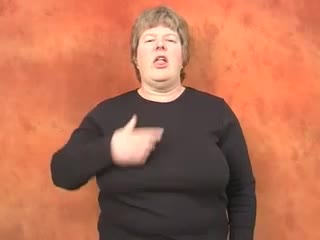
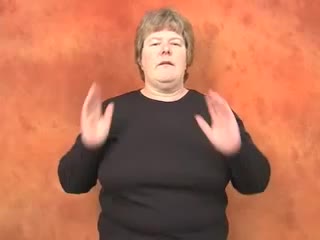
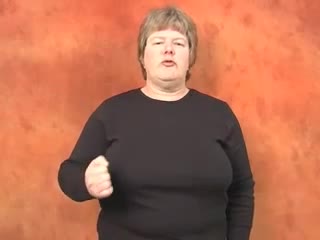
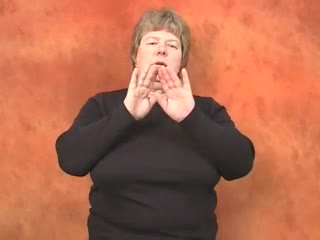
What This Sign Means in BSL
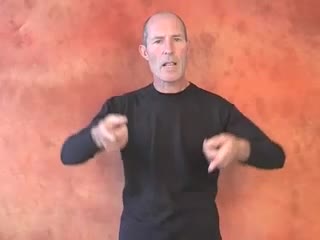
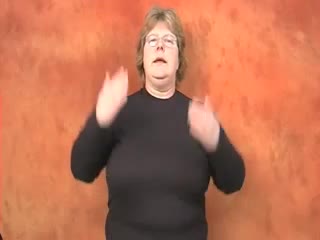
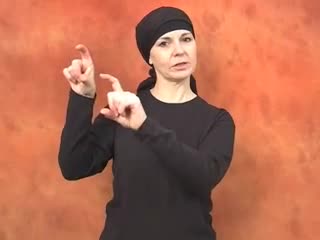
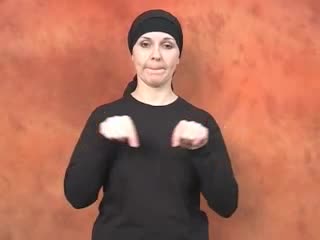
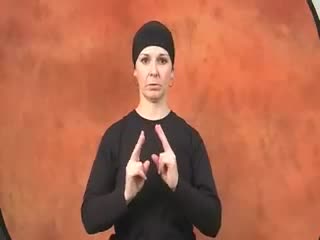
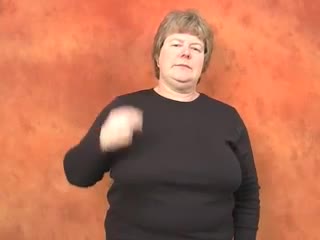
The BSL sign for butt joint is wonderfully direct and descriptive, visually representing the very action it describes. At its core, a butt joint is a simple, end-to-end connection where two materials meet squarely without any overlap, interlocking, or complex angles. This sign captures that exact moment of two flat surfaces coming together flush.
In BSL, this sign isn't just about general joining; it specifically conveys this precise method of connection. Think of it as the foundational join in many construction or craft contexts. It's the sign you’d use when you need to be clear that there's no fancy carpentry or intricate fitting involved – just a straightforward, blunt meeting of two ends.
Understanding this sign gives you a precise tool for technical conversations. It helps distinguish this common but specific type of joint from others, enabling clear communication about plans, designs, or repairs. It's a sign that speaks to functionality and the literal structure of how things are put together.
When This Sign Feels Natural
You’ll find the BSL sign for butt joint feels most natural in contexts where technical accuracy is important. Imagine you’re discussing a DIY project with a friend, explaining a construction plan to a team, or detailing a repair. This sign shines when you need to specify exactly how two components are connected, particularly in fields like carpentry, plumbing, metalwork, or even model building.
The register for this sign is typically practical and informative, fitting within discussions that require a degree of technical vocabulary. It's not a sign you'd use in casual conversation about people joining a group, for instance. Instead, its use signals a shift to a more specific, material-focused dialogue. You’re talking about the mechanics of joining, not social connection.
Consider your audience. If you're communicating with fellow tradespeople, engineers, or hobbyists who understand specific joint types, using this sign is highly efficient and clear. However, if your audience isn't familiar with technical terms or if the specific type of joint isn't crucial to the conversation, you might opt for a more general sign for "join," "connect," or "put together." The BSL sign for butt joint offers precision when precision matters.
What Learners Usually Miss
One common subtlety learners often miss with the BSL sign for butt joint is the precise nature of the impact. It's easy to let the hands overlap slightly or meet with a gentle, indistinct touch. However, the sign requires a crisp, flat-on-flat meeting, as if two solid objects are making contact squarely. The hands should represent the ends of the materials themselves, coming together and stopping without passing through each other or splaying out. Maintain that flat handshape right until the point of contact.
Another area where learners sometimes stray is the movement leading up to the join. Both hands should approach each other directly and simultaneously, moving along a parallel path. Avoid any angling, sweeping motions, or allowing one hand to arrive significantly before the other. The "butt" implies a direct, head-on engagement, so the movement should reflect this intentional, non-overlapping approach. It's a clean, decisive action, not a hesitant one.
Finally, pay attention to the overall tension and intention in your hands. While the sign itself is about a simple connection, the hands should feel firm, representing the solid materials. Avoid a loose or floppy handshape, which can diminish the clarity of the "flat surface" concept. Your facial expression typically remains neutral or focused, complementing the technical nature of the sign rather than adding unnecessary emotion. Over-emphasising can distract from the precise visual message.
A Simple Way to Remember It
To easily recall the BSL sign for butt joint, think about the core idea of two things meeting end-to-end, bluntly. The sign beautifully mimics this action, making it very intuitive once you connect the visual to the meaning.
- Visualisation: Imagine you're holding two pieces of wood or metal, each with a perfectly flat end. Your hands become these flat ends, moving towards each other until they touch flush.
- Action: The movement is a direct, no-nonsense "bump" or "meet" of these two flat surfaces. There's no interlocking, just a simple, direct connection.
- Precision: Associate the sign with the need for accuracy in construction. A butt joint needs to be precise for strength and appearance, and the sign's crispness reflects this exactitude.
Short Practice Situations
- "We'll need to create a strong butt joint for the centre support beam to hold the weight."
- "The instructions specify using a simple butt joint to connect the two sections of the model airplane wing."
- "Before gluing, check that the butt joint between these pipes is perfectly flush to prevent any leaks."
- "She showed us how to prepare the edges properly to ensure a tight butt joint in the carpentry class."
Signs to Learn Next
- JOIN / CONNECT (general): Understanding the general sign for "join" or "connect" will help you appreciate the specificity and nuance of "butt joint." You'll learn when to be general and when to be precise.
- MEASURE: Butt joints often require highly accurate measurements for a perfect fit. Learning the sign for "measure" is a natural next step for any technical or construction-related signing.
- WOOD / TIMBER: As butt joints are very common in woodworking, knowing the sign for the material itself will often go hand-in-hand with discussing this type of joint.
- GLUE / ATTACH: After forming a butt joint, you usually need to secure it permanently. Signs related to adhesion or fastening are highly relevant.
- MITRE JOINT: This is another common and specific type of joint, often contrasted with a butt joint. Learning it will expand your vocabulary for different ways materials can be joined and help you differentiate them clearly.