Speed
0
Practice reps times watched

Create a free account to keep your watch history and review plan.

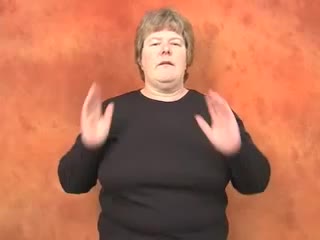
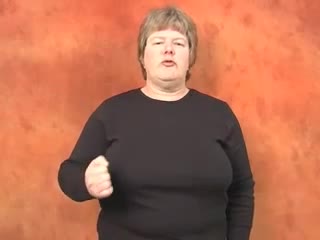
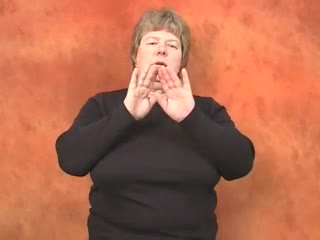
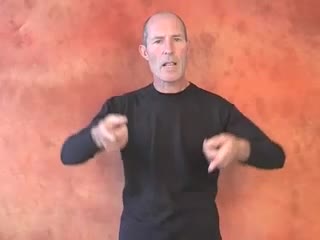
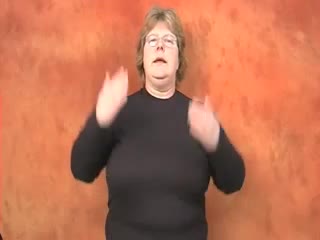
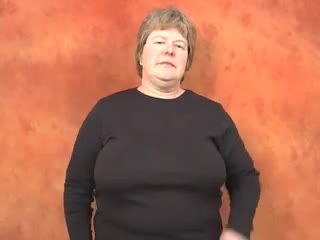
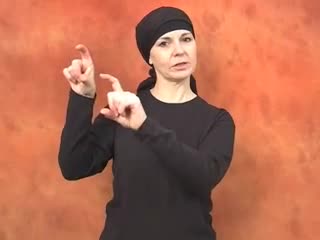
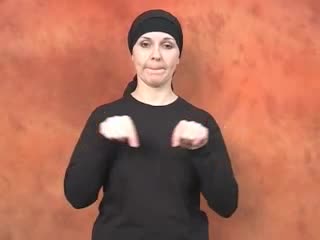
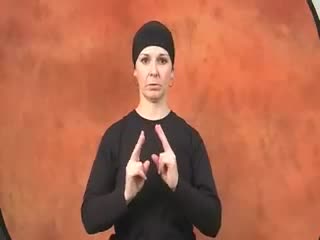
Best practice Use mirror mode, then watch the frame breakdown below to catch the start, movement, and finish cleanly.
Video via SpreadTheSign  - Free educational resource BSL
Updated April 21, 2026
British Sign Language (BSL) 🟢 Beginner 📊 A1 ⚡ Common Noun

chest of drawers

A piece of furniture with multiple stacked drawers for storage

Source-linked video Step-by-step guide Context and safety notes
Synonyms
Dresser
Antonyms
None
Difficulty
Not rated yet

Create a free account to save this sign, keep your watch history, and unlock a one-note journal preview.

How to sign it
Handshape
Both hands flat, fingers together
Location
Mid-torso, just below chest height
Movement
Both hands pull outwards from the body repeatedly
Palm Orientation
Palms face each other, then outward
Facial Expression
Neutral facial expression
🔁 Spaced Review Try it free

How well do you know this sign?

CHEST OF DRAWERS
Your Progress Live
🌱
Level 1 · BSL Beginner +0 XP today
This sign Not learned yet
0 watches
Mastery 0%
Confidence
How well do you know this sign?
0 🔥 Streak
0 Signs seen
0 Learned
0 Watches
📖 Vocabulary health 🔒 Log in to see score
0 Mastered
0 Confident
0 Practicing
0 Just seen

Create a free account to keep your vocabulary score between sessions

7-day activity 0 of 7 active

Register free to sync activity across devices

Watch signs to see your history here

Tracking locally for now. Create a free account to save your progress and sync across devices.
Free gets you started. Paid adds the repeat-learning layer: review queues, deeper notes, compare mode, and better comeback tools.
My Sign Journal
Personal notes, saved to your account forever
Locked

Write memory tricks, usage examples, and cultural reminders beside each sign. Create a free account to unlock your first saved note preview on this page.

Create free account Already have an account? Log in

What This Sign Means in BSL

The BSL sign for chest of drawers is wonderfully clear and intuitive, instantly conjuring the image of its purpose. It's a direct visual metaphor, mimicking the action of opening and closing multiple drawers. When you see someone use this sign, you immediately understand its function as a piece of furniture for storage. This makes it a highly practical and easily recognisable sign for anyone discussing home furnishings or organising personal items. This sign is a great example of BSL's visual nature, where the movement tells a story. It’s not an abstract symbol but a physical representation of an everyday interaction. Its clarity makes it an excellent sign for new learners to grasp early on, as it provides a solid foundation for understanding how BSL often visually represents tangible objects and actions. You'll find it widely understood across the UK Deaf community due to its straightforward depiction. Because it represents such a common household item, this sign is frequently used in daily conversation. It's a building block for discussing personal spaces, home organisation, and even shopping for furniture. Mastering it early will allow you to participate more fully in discussions about domestic life, making it a valuable addition to your BSL vocabulary.

When This Sign Feels Natural

You'll find yourself reaching for the BSL sign for chest of drawers whenever you're discussing items of furniture, particularly those found in a bedroom or dressing area. It's the natural choice when you're talking about where you store clothes, linens, or other personal belongings. Imagine describing a room to someone, or perhaps discussing tidying up – this sign fits perfectly into those contexts. Its register is neutral and universally understood, making it appropriate for almost any conversation, from a casual chat with friends about home decor to a more formal discussion with an interior designer. There's no more formal or informal alternative; this sign is the standard. It clearly communicates the specific piece of furniture, avoiding any ambiguity that might arise from more general signs for "furniture" or "storage." This sign is particularly natural when you're pointing out an actual chest of drawers, either in person or in a picture. It also comes in handy when you're giving instructions, such as "Put your socks in the chest of drawers," or asking questions like "Do you have space for another chest of drawers in the room?" It's a sign that grounds the conversation in the physical world of your home.

What Learners Usually Miss

Many learners initially perform the sign with a single, quick pull, or they might let their hands drift too high or low. The key is in the *repeated* movement. A chest of drawers typically has multiple drawers, and the sign reflects this by having both hands pull outwards from the mid-torso position repeatedly, usually two or three times, as if opening several drawers in succession. The rhythm should be smooth and consistent, not a jerky, one-off action. Another common oversight is the precision of the handshape. Your hands need to be truly flat, with all fingers together and pressed tightly, almost like the smooth front panel of a drawer. Sometimes learners might slightly cup their hands or allow their fingers to splay, which can alter the visual meaning. Ensure your palms face each other as you start, then pull them out and slightly away from your body, maintaining that flat, cohesive shape. Finally, pay attention to the location and direction. The movement isn't just a general pulling motion; it's specifically at mid-torso, just below chest height, directly *outwards* from your body. This mimics the actual location and action of pulling a drawer open. Avoid pulling downwards or sweeping your hands too wide, as this can make the sign less clear and potentially confuse it with other signs that involve a pulling motion or flat hands. A neutral facial expression is usually appropriate, letting the context of your conversation add any emotional nuance.

A Simple Way to Remember It

To firmly embed the BSL sign for chest of drawers in your memory, simply think of your hands *becoming* the fronts of the drawers themselves, and your action *being* the process of opening them to reveal their contents. * The **flat handshape** perfectly represents the smooth, flat surface of a drawer front. * The **pulling outwards movement** directly mimics the action you take to open a drawer. * The **repeated movement** signifies that you are interacting with *multiple* drawers, characteristic of a chest.

Short Practice Situations

  • I need to buy a new chest of drawers for the bedroom.
  • Could you please help me move this heavy chest of drawers?
  • All my folded jumpers are neatly stored in the bottom drawer of the chest of drawers.
  • That antique chest of drawers would look perfect in the living room.

Signs to Learn Next

  • BED: Often found in the same room, learning 'bed' connects naturally to other bedroom furniture discussions.
  • WARDROBE / CUPBOARD: These signs share the theme of storage for clothes or household items, expanding your vocabulary for furnishing a home.
  • FURNITURE: This broader category sign is useful for general discussions about home items and will help you place 'chest of drawers' within its context.
  • CLOTHES: Since a chest of drawers primarily stores clothes, learning this sign will enable you to talk about what goes inside.
  • ROOM / BEDROOM: Understanding how to sign 'room' or 'bedroom' allows you to set the scene for where a chest of drawers would typically be located.

🤖 AI Learning Guide for "chest of drawers"

The sign visually represents the opening and closing of multiple drawers in a vertical stack

🎯 Practice Challenge

Practice the flat handshape and repeated outward pulling motion

⚠️ Most Common Mistake

Ensure both hands are flat and move symmetrically. Maintain mid-torso location

👐 How to Sign "chest of drawers" in British Sign Language (BSL) (Quick Answer)

Follow these steps to sign chest of drawers correctly in British Sign Language (BSL):

  1. 1 Form flat hands, fingers together
  2. 2 Place hands mid-torso, palms facing each other
  3. 3 Pull both hands outwards from body
  4. 4 Repeat the outward pull 2-3 times

Tip: Watch the video above while following these steps for best results.

🤚 Sign Profile

🤚
Handshape
Both hands flat, fingers together
🔣
Handshape Code
Flat-hand
Dominant Hand
Either
🙌
Hand Count
Two-handed
📍
Location
Mid-torso, just below chest height
↗️
Movement
Both hands pull outwards from the body repeatedly
🔄
Movement Type
Repeated
👆
Contact
Air
👋
Palm Orientation
Palms face each other, then outward
⚖️
Symmetry
Symmetric

😊 Non-Manual Features

Facial expressions and body language are grammatically essential in British Sign Language (BSL) - not optional!

😊
Facial Expression
Neutral facial expression
🙆
Eyebrows
Neutral
👁️
Eye Gaze
Forward
🙂
Head Movement
None
👄
Mouth Morpheme
None
🕴️
Body Shift
None

📖 Grammar & Linguistics

Part of Speech Noun
Inflection No
Classifier Usage CL:C (for drawers)
Role Shift No

🎓 Learning Context

📌 When to Use: Discussing furniture, bedroom items, home decor
⚠️ Common Mistake: Confusing with singular 'drawer' or 'cupboard'
🚫 When NOT to Use: When referring to a single drawer or a different storage unit
Context Tags
Furniture Home Bedroom Storage

🧪 Practice Lab

Use these tiny checks right after watching the video. Fast feedback is what turns recognition into recall.

Meaning check

Which word matches the sign you just watched?

Usage check

Where would this sign fit most naturally?

Confidence check

How do you feel about chest of drawers right now?

Pick one so SignDeaf can shape the rest of your session around how this sign actually feels.

🧭 Scenario Drill

One sign gets remembered faster when you attach it to real situations. Try these quick scene prompts.

Work

Stretch practice

Use this sign in a short workplace sentence or meeting exchange.

Family

Possible fit

Try signing this while talking about family life or something at home.

School

Stretch practice

Imagine teaching this sign to a classmate or using it in a lesson.

Doctor

Stretch practice

Practise it in a healthcare conversation where clarity matters.

Travel

Stretch practice

Use it in a travel scenario like asking for help or directions.

💬 Example Usage

1.[en] I bought a new chest of drawers. / BSL:[NEW CHEST-OF-DRAWERS BOUGHT ME] | 2.[en] Put clothes in the chest of drawers. / BSL:[CLOTHES PUT CHEST-OF-DRAWERS] | 3.[en] That chest of drawers is old. / BSL:[THAT CHEST-OF-DRAWERS OLD]

1.[en] I bought a new chest of drawers. / BSL:[NEW CHEST-OF-DRAWERS BOUGHT ME] | 2.[en] Put clothes in the chest of drawers. / BSL:[CLOTHES PUT CHEST-OF-DRAWERS] | 3.[en] That chest of drawers is old. / BSL:[THAT CHEST-OF-DRAWERS OLD]

When to use it

Discussing furniture, bedroom items, home decor

When not to use it

When referring to a single drawer or a different storage unit

Register

Neutral

🌍 Cultural Context

Part of common household vocabulary

🗺️ Regional Variations

Minor variations in movement path, generally consistent

⚖️ Similar Signs - What's the Difference?

This sign chest of drawers
VS
Similar signs Look closely
**DRAWER (singular)**: Similar handshape and movement, but usually one single pull outward, not repeated. **CUPBOARD**: Often uses C-hands or S-hands, opening outward like doors, not pulling flat hands like drawers. **WARDROBE**: Typically uses flat hands or V-hands to mimic opening tall doors or a large standing unit. The key difference for "chest of drawers" is the *repeated linear pulling* of flat hands representing multiple stacked drawers

📝 Usage Notes

Can slightly vary in height to indicate a taller or shorter chest

🏷️ Tags

Handshape

Keywords

💡
Did you know?
Practising in front of a mirror helps you check your handshape and movement.

📚 Explore More British Sign Language (BSL) Signs

Keep building your British Sign Language (BSL) vocabulary - explore signs by category or browse the full dictionary.