What This Sign Means in BSL
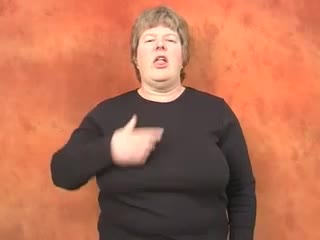
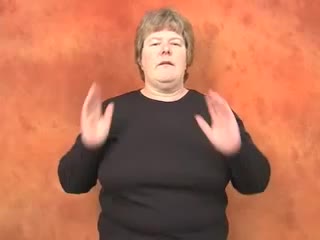
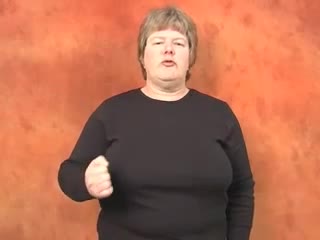
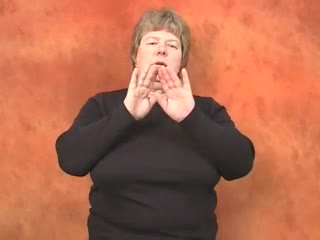
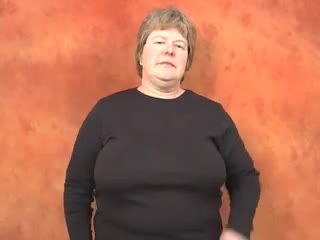
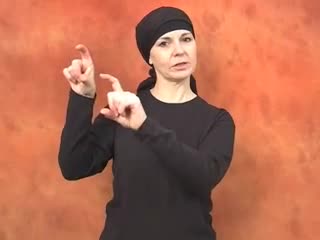
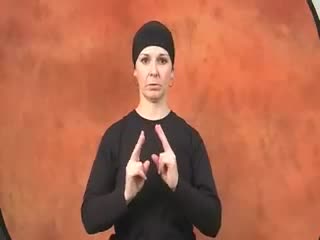
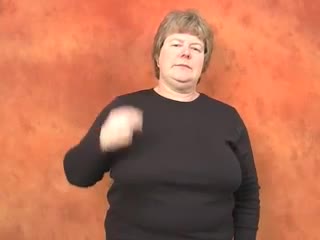
The BSL sign for roof walkway is wonderfully descriptive, truly painting a visual picture in the air. It’s a noun that refers specifically to those elevated paths or structures built on a roof, typically for access, maintenance, or safety. Think of the pathways you might see on the top of large commercial buildings, industrial facilities, or even modern architectural designs, providing a safe route for people to move across what would otherwise be a hazardous surface.
This sign masterfully combines two key elements: the idea of a sloped or peaked roof, and the concept of a clear path stretching across it. It’s precise and unambiguous, ensuring that when you use it, you’re not just talking about any general walkway or simply the roof itself. You’re referring to that very specific structure that allows traversal over the roof’s surface.
What makes this sign particularly valuable is its practical specificity. It immediately conveys the function and location of this architectural feature, making it a powerful tool in conversations where clarity about building components or access routes is essential. It’s a sign that demands attention because it’s so literally illustrative of its meaning.
When This Sign Feels Natural
You'll find this sign feels most natural and indispensable in conversations revolving around construction, building management, maintenance, and health and safety. Imagine discussing access for window cleaners on a high-rise, or engineers needing to inspect HVAC systems on a factory roof. This sign perfectly captures that specific element.
It’s a sign that fits comfortably into a more technical or formal register, often used when precision is important. For instance, when describing architectural plans, detailing safety procedures for working at heights, or even pointing out a feature on a specific building. You might use it in a conversation with a builder, an architect, or a facilities manager.
Conversely, you wouldn't typically use this sign for a simple path in a park, or just the general surface of a roof. If you merely mean a "path," there's a more general BSL sign for that. If you're referring to the "roof" broadly, that's another sign entirely. The BSL sign for roof walkway is reserved for those moments when both the elevated, roof-based nature and the traversable path aspect are crucial to your message.
What Learners Usually Miss
One common area where learners sometimes falter with this sign is in the smooth integration of its two distinct movements. It’s easy to break it down into a "roof" sign followed by a separate "walkway" sign, creating a slight pause or disconnect between the two. The essence of the sign, however, lies in its fluid transition, showing the walkway emerging from and along the roof structure seamlessly.
The key is a continuous, unbroken flow. Your hands should transition directly from forming that initial roof peak above your head into extending forward, almost as if you’re tracing the path as it unfolds from the roof itself. It shouldn't feel like two distinct actions but rather one unified, descriptive gesture. Maintain that flat B-handshape throughout, keeping your fingers together and extended, as this consistent handshape is crucial to representing the solid surface of the walkway.
Another subtle point to remember is the purposeful nature of the forward movement. It needs to be a clear, linear extension, indicating a path that progresses *along* or *across* the roof. Sometimes learners might make a more general forward gesture. Ensure yours clearly shows direction and length, demonstrating the extent of the walkway, rather than just a vague motion. This clarity adds significant meaning and impact to your sign.
A Simple Way to Remember It
This sign is a brilliant illustration of BSL's visual and iconic nature. To truly embed it in your memory, think of it as literally building the structure in the air. Each part of the sign visually represents a key component of a roof walkway.
- First, imagine your hands meeting above your head to form that initial peak, clearly representing the uppermost point or the slope of a roof.
- Next, visualise your flat B-handshapes as the solid, flat surface of the walkway itself, strong and ready for movement.
- Finally, the smooth, forward extension of your hands clearly signifies the path stretching out across the roof, inviting passage along its length.
Short Practice Situations
- The architect specified a new roof walkway for regular maintenance access to the air conditioning units.
- Safety regulations state that every worker must use the designated roof walkway when performing inspections.
- From the street, you can just make out the long, narrow roof walkway spanning the top of the stadium.
- We need to ensure the roof walkway is clear of debris before the next inspection team arrives.
- Building planners discussed the need for an emergency roof walkway connecting the two adjacent office blocks.
Signs to Learn Next
- ROOF: This is a foundational sign, as "roof walkway" literally builds upon the concept of a roof. Understanding the BSL sign for just "roof" will help you appreciate how our specific sign expands on that idea.
- WALKWAY / PATH: Learning the more general sign for a "walkway" or "path" allows you to distinguish between a ground-level path and this elevated, roof-specific version, highlighting the unique qualities of "roof walkway."
- BUILDING: Roof walkways are almost always part of a larger structure. Knowing the sign for "building" provides essential context for where you would typically find such a feature.
- LADDER: Often, a roof walkway is accessed via a ladder or stairs. This sign creates a natural connection for discussions about access and reaching elevated areas.