What This Sign Means in BSL
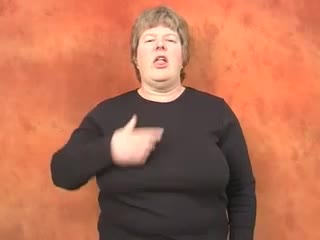
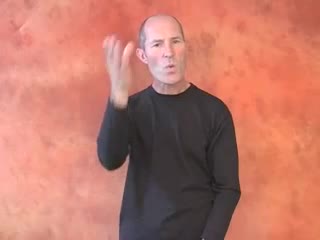
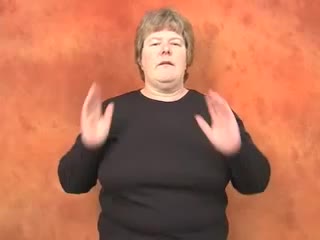
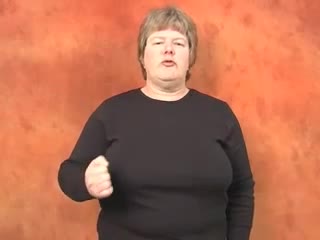
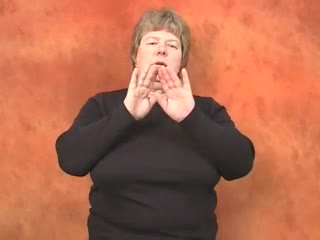
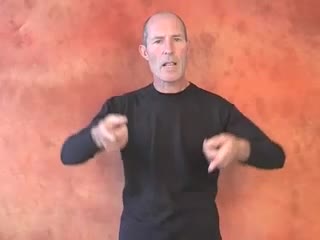
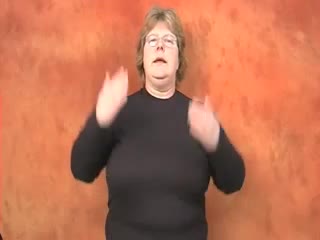
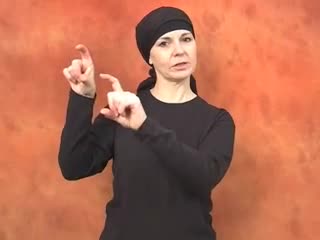
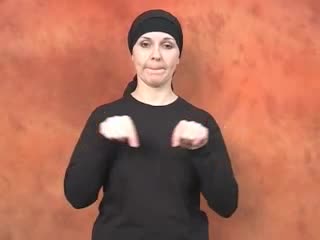
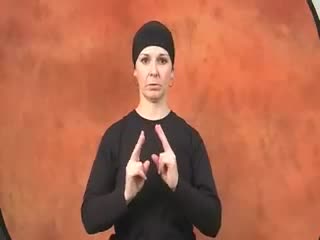
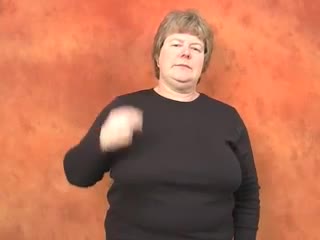
The BSL sign for roof truss is a wonderfully descriptive sign that quite literally paints a picture of its meaning in the air. It’s a very specific sign, designed to clearly communicate the structural framework that supports a roof, rather than just the roof itself or the broader concept of a building. When you see this sign, you immediately understand that we’re talking about those essential, triangular support structures that give a roof its strength and shape.
What’s particularly neat about this sign is how directly it represents the object. Using both hands, the sign clearly outlines the distinctive triangular form of a truss. This visual clarity means it’s not easily confused with other building-related signs, assuming you execute it with precision. It’s a foundational sign for anyone discussing architecture, construction, or even just home improvements, allowing for very clear and unambiguous communication about specific structural elements.
This sign carries a practical, descriptive tone. It’s about conveying information accurately, much like an engineer or a builder might explain a component. There isn't a strong emotional component here; instead, the focus is on precise visual representation. Mastering it means you’re not just learning a word, but understanding how BSL can visually break down complex objects into their fundamental shapes and functions.
When This Sign Feels Natural
You’ll find the BSL sign for roof truss feels most natural when you're discussing the actual construction or design of a building. Imagine you’re explaining how a roof is supported, or pointing out a specific component in a diagram. It’s perfect for conversations with architects, builders, or even during a property viewing where you might highlight the structural integrity of an attic or loft space. Its specificity makes it ideal when "roof" alone isn't enough to convey your meaning.
In terms of register, this sign sits comfortably in both technical and everyday conversations about home or building structures. If you’re talking about renovating your house and need to explain a structural issue, this sign fits perfectly. Similarly, in a college lecture on construction methods, it would be used without hesitation. It shows a good command of precise vocabulary within BSL.
However, it’s important to remember its precise nature. If you simply mean the exterior covering of a building, or the whole building itself, there are other, more general signs that would be more appropriate. Using "roof truss" when "roof" is sufficient might make your signing feel overly technical or even a little clunky. Always consider your audience and the specific detail you intend to convey.
What Learners Usually Miss
One common snag learners encounter with the BSL sign for roof truss is precisely executing the handshape and movement to form a clear triangle. Sometimes, the G-handshapes aren't maintained firmly, or the movement becomes a bit vague, resembling a general 'up and out' gesture rather than a defined outline. Remember, the index fingers should be extended and thumbs parallel, forming a strong 'G' on each hand, and they need to meet at the apex of the 'triangle' before moving down and out.
Another subtle point that often gets missed is the deliberate nature of the outline. The movement isn't a quick flick; it's a smooth, controlled motion that traces the triangular shape from its peak to its base. Think of yourself as drawing the sturdy beams of a truss in the air. The hands should travel downwards and outwards from the peak, or upwards and inwards to meet at the peak, depending on your starting point, but always defining that clear, stable triangle. Without this precision, the sign can easily lose its specific meaning and look more like 'roof' or even just 'triangle'.
Finally, learners sometimes forget the vertical placement. The sign isn't just a small gesture in front of your chest; it occupies a space from mid-chest to head height, reflecting the significant size of a roof truss. Ensure your hands have enough room to fully articulate the shape within this area. Also, maintain a neutral, focused facial expression – it’s a descriptive sign, so your face should reflect clarity and information, not emotion.
A Simple Way to Remember It
To really cement the BSL sign for roof truss in your memory, think of your hands quite literally building or drawing the structure. Imagine the strong, pointing index fingers of your G-handshapes as the main beams, coming together to form the peak, then spreading wide to create that essential, load-bearing triangle.
- Visualise the Build: Your two G-handshapes act like two structural beams meeting at the top, then spreading down and out to form the base, just like a real roof truss.
- Peak and Base: The movement perfectly mimics tracing the distinct peak and two sloped sides of a roof truss, from its highest point down to its widest base.
- Strong Foundations: The firm G-handshape itself suggests strength and structure, reinforcing the idea of a sturdy supporting element.
Short Practice Situations
- The architect explained that the new extension would require a completely redesigned roof truss to support the added weight.
- We noticed a crack in the old wooden roof truss during the attic inspection, suggesting it might need reinforcement.
- Building a strong roof truss is absolutely critical for the long-term stability and safety of any house.
- Can you show me on the plans where the main roof truss connections will be located?
- They used prefabricated sections for the roof truss, which significantly sped up the construction process.
Signs to Learn Next
- ROOF: While related, the sign for 'roof' typically involves a flatter, broader motion, often indicating the exterior covering. Learning both helps you distinguish between the structural support and the overall covering.
- HOUSE: As roof trusses are fundamental components of houses, learning the general sign for 'house' creates a natural context for using 'roof truss'.
- BUILDING / CONSTRUCT: These signs describe the action of creating structures, making them excellent companions for discussing specific components like a roof truss.
- TRIANGLE: The visual similarity is undeniable. Understanding the sign for the geometric shape 'triangle' reinforces the visual representation inherent in the 'roof truss' sign.
- ATTIC / LOFT: These are the spaces where roof trusses are most visible and frequently discussed. Learning these signs will allow you to talk about where the truss is located within a home.