Speed
0
Practice reps times watched

Create a free account to keep your watch history and review plan.

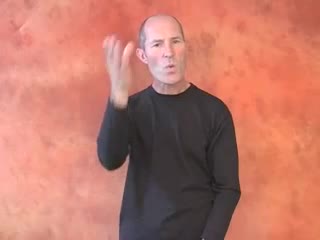
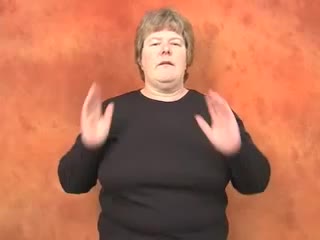
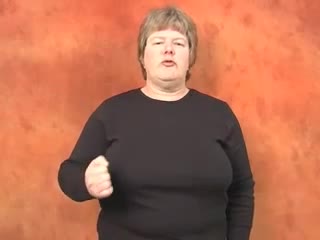
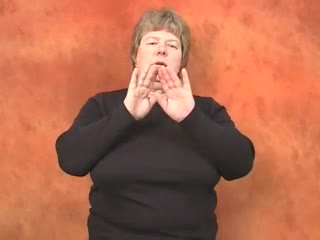
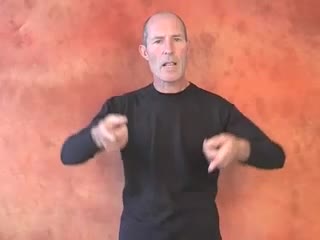
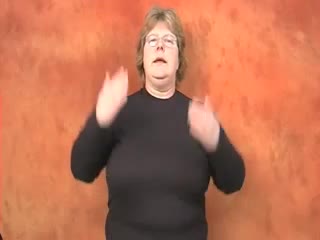
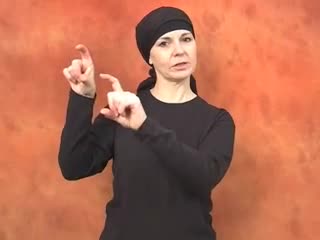
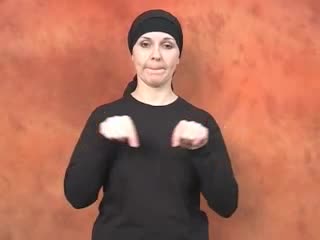
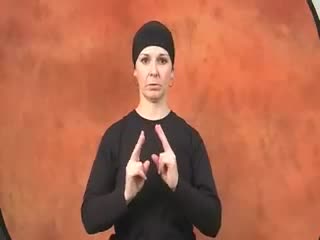
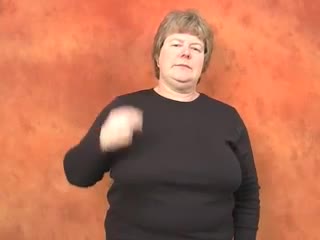
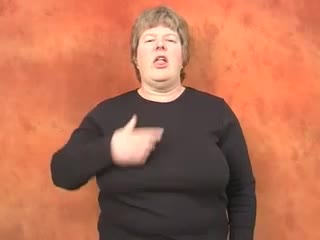
Best practice Use mirror mode, then watch the frame breakdown below to catch the start, movement, and finish cleanly.
Video via SpreadTheSign  - Free educational resource BSL
Updated April 20, 2026
British Sign Language (BSL) 🟢 Beginner 📊 B2 ⚡ Technical Noun

roof slab

A flat, horizontal structural component forming a roof or ceiling

Source-linked video Step-by-step guide Context and safety notes
Synonyms
Concrete slab roof panel
Difficulty
Not rated yet

Create a free account to save this sign, keep your watch history, and unlock a one-note journal preview.

How to sign it
Handshape
Both hands form a flat shape with fingers together and thumb tucked alongside
Location
Upper chest to above head
Movement
Hands move upward and slightly outward to form a flat, horizontal surface
Palm Orientation
Palms face each other initially, rotate to face down
Facial Expression
Neutral facial expression, slight mouthing of 'roof slab'
🔁 Spaced Review Try it free

How well do you know this sign?

ROOF SLAB
Your Progress Live
🌱
Level 1 · BSL Beginner +0 XP today
This sign Not learned yet
0 watches
Mastery 0%
Confidence
How well do you know this sign?
0 🔥 Streak
0 Signs seen
0 Learned
0 Watches
📖 Vocabulary health 🔒 Log in to see score
0 Mastered
0 Confident
0 Practicing
0 Just seen

Create a free account to keep your vocabulary score between sessions

7-day activity 0 of 7 active

Register free to sync activity across devices

Watch signs to see your history here

Tracking locally for now. Create a free account to save your progress and sync across devices.
Free gets you started. Paid adds the repeat-learning layer: review queues, deeper notes, compare mode, and better comeback tools.
My Sign Journal
Personal notes, saved to your account forever
Locked

Write memory tricks, usage examples, and cultural reminders beside each sign. Create a free account to unlock your first saved note preview on this page.

Create free account Already have an account? Log in

What This Sign Means in BSL

The BSL sign for roof slab specifically refers to the flat, solid structural component that forms the top covering of a building or a section of it. It's not just any roof; it's about the substantial, often poured or prefabricated, flat surface. Think of the robust concrete or engineered panel that creates the uppermost floor of a structure, or the flat roof itself. This sign captures the essence of a significant, load-bearing horizontal element.

You'll notice the sign's form clearly illustrates this. Both hands are held flat, fingers together, thumbs neatly tucked alongside, representing the broad, flat surface of the slab. The movement brings these hands upwards and slightly outwards, culminating in a horizontal plane above your head or upper chest. This trajectory beautifully mimics the process of a roof slab being lifted into place or its final position, providing a visual metaphor for its structural role.

This sign is particularly useful in contexts where precision about building components is important. It distinguishes itself from the more general sign for 'roof', which often uses a sloped handshape, or 'ceiling', which typically refers to the underside from an interior perspective. When you use this sign, you’re communicating a very specific architectural or construction detail, highlighting the flat, load-bearing nature of the structure.

When This Sign Feels Natural

This sign feels most natural when you're discussing construction, architecture, engineering, or property development. Imagine talking about blueprints with an architect, explaining a building's structure to a client, or detailing the sequence of work on a building site. It's the sign you’d choose when describing how a modern, flat-roofed building is constructed, or when contrasting different types of roofing systems – a pitched roof versus a flat roof slab, for instance.

You'll also find it fitting in conversations about safety and structural integrity. If there's a problem with the "roof slab" – perhaps it’s cracking, or needs reinforcement – this sign conveys that specific, critical element. Its formal precision means it fits well in professional or technical discussions, ensuring clarity when the exact nature of the roof structure matters. It’s less likely to be used in casual chat about "the roof above my head" where a more general sign would suffice.

Consider your audience and the level of detail required. If you're simply telling a story about a house, "roof" (general) is probably enough. But if you're explaining *how* a new extension was built, or describing the advanced materials used in a contemporary home, then "roof slab" becomes the natural and correct choice. It signals a deeper understanding and appreciation of building components, placing your communication in a more technical or descriptive register.

What Learners Usually Miss

A common pitfall for learners is not fully extending the hands to form a truly flat, continuous surface. Sometimes fingers splay slightly, or the thumbs aren't tucked in, which can make the sign look less like a solid slab and more like a pair of open hands. Remember, the flatness and unity of the hands are key to conveying the solid, unyielding nature of a structural slab. Practice keeping your fingers tightly together and your thumbs alongside your index fingers.

Another area where learners often stumble is the movement and final placement. The sign isn't just about showing a flat surface; it's about showing that surface being *positioned* as a roof slab. Ensure your hands move distinctly upward from the upper chest area, then slightly outward, settling into a clear horizontal plane above your head. If the movement is too small, too quick, or doesn't reach that clear horizontal position, it can be confused with signs for "shelf" or even just "flat" in a general sense. The upward trajectory and final horizontal placement are crucial for signalling its function as a roof.

Finally, watch for the tendency to make the sign too low, staying only at chest height, or too high without the initial upward movement. The sign's location and movement together communicate the idea of "raising and placing a roof slab." If it stays too low, it might suggest a floor or a lower platform. If it just appears high without the upward journey, it loses the dynamic sense of construction. Aim for that smooth, deliberate upward and outward arc, finishing clearly above the head, as if you're demonstrating the very top layer of a building being completed.

A Simple Way to Remember It

To remember the sign for "roof slab," think of your hands as literally forming the solid, flat piece of the roof itself, which is then lifted and placed into position. It's a highly visual and iconic representation of a key building element.

  • Flat Hands, Flat Slab: Your flat hands, fingers together, directly represent the smooth, even surface of the slab.
  • Upward Placement: The movement upwards and outwards mimics the slab being lifted by a crane or constructed into its final, elevated position.
  • Horizontal Finish: The final horizontal plane above your head signifies the roof being completed and level, ready to cap the structure.

Short Practice Situations

  • The engineers decided the new extension needed a reinforced roof slab to support the planned green garden.
  • During the planning meeting, we reviewed the drawings for the main building's concrete roof slab.
  • They used a special lifting crane to carefully position each pre-cast roof slab onto the steel frame.
  • "Has the concrete for the roof slab been poured yet?" asked the site manager, checking progress.

Signs to Learn Next

  • Roof (general): This is an excellent follow-up as "roof slab" is a specific type of roof. Learning the general sign helps you understand the distinction and choose the right level of detail in your conversations.
  • Wall: As a fundamental building component, "wall" naturally connects to "roof slab." Buildings are made of walls and roofs, so understanding both allows you to describe complete structures.
  • Building/Construct: These signs provide the overarching action within which "roof slab" exists. You build or construct something, and a roof slab is a crucial part of that process.
  • Concrete: Many roof slabs are made of concrete. Learning this sign allows you to specify the material often associated with this structural element.
  • Ceiling: While different in perspective, "ceiling" also represents a flat, horizontal surface within a building. Comparing "roof slab" (exterior/structural) with "ceiling" (interior/underside) can help solidify your understanding of spatial orientation in BSL.

🤖 AI Learning Guide for "roof slab"

Sign depicts a flat, horizontal structural element by forming a parallel surface above the head

🎯 Practice Challenge

Practice forming B-hands and moving them smoothly to depict a horizontal plane. Focus on the upward movement

⚠️ Most Common Mistake

Ensure hands are parallel and flat. Maintain a consistent height for the final 'slab' position

👐 How to Sign "roof slab" in British Sign Language (BSL) (Quick Answer)

Follow these steps to sign roof slab correctly in British Sign Language (BSL):

  1. 1 Form B-hands, fingers together, thumb tucked
  2. 2 Start at upper chest, palms facing each other
  3. 3 Move hands upward and slightly outward
  4. 4 Rotate palms to face down, forming a flat horizontal plane above head

Tip: Watch the video above while following these steps for best results.

🤚 Sign Profile

🤚
Handshape
Both hands form a flat shape with fingers together and thumb tucked alongside
🔣
Handshape Code
B-hand
Dominant Hand
Either
🙌
Hand Count
Two-handed
📍
Location
Upper chest to above head
↗️
Movement
Hands move upward and slightly outward to form a flat, horizontal surface
🔄
Movement Type
Linear
👆
Contact
Air
👋
Palm Orientation
Palms face each other initially, rotate to face down
⚖️
Symmetry
Symmetric

😊 Non-Manual Features

Facial expressions and body language are grammatically essential in British Sign Language (BSL) - not optional!

😊
Facial Expression
Neutral facial expression, slight mouthing of 'roof slab'
🙆
Eyebrows
Neutral
👁️
Eye Gaze
Forward
🙂
Head Movement
None
👄
Mouth Morpheme
Mouth 'roof slab' or 'slab'
🕴️
Body Shift
None

📖 Grammar & Linguistics

Part of Speech Noun
Inflection No
Classifier Usage Flat surface classifier
Role Shift No

🎓 Learning Context

📌 When to Use: Discussing construction, architecture, engineering drawings, specific building components
⚠️ Common Mistake: Confusing with general 'roof' or 'ceiling', incorrect height
🚫 When NOT to Use: Referring to a standard pitched roof or a general ceiling
Context Tags
Building construction architecture structure

🧪 Practice Lab

Use these tiny checks right after watching the video. Fast feedback is what turns recognition into recall.

Meaning check

Which word matches the sign you just watched?

Usage check

Where would this sign fit most naturally?

Confidence check

How do you feel about roof slab right now?

Pick one so SignDeaf can shape the rest of your session around how this sign actually feels.

🧭 Scenario Drill

One sign gets remembered faster when you attach it to real situations. Try these quick scene prompts.

Work

Stretch practice

Use this sign in a short workplace sentence or meeting exchange.

Family

Stretch practice

Try signing this while talking about family life or something at home.

School

Stretch practice

Imagine teaching this sign to a classmate or using it in a lesson.

Doctor

Stretch practice

Practise it in a healthcare conversation where clarity matters.

Travel

Stretch practice

Use it in a travel scenario like asking for help or directions.

💬 Example Usage

1.[en] The roof slab is very thick. / BSL:[Sign ROOF SLAB, then THICK] | 2.[en] We need to lift the roof slab. / BSL:[Sign WE NEED, ROOF SLAB, LIFT] | 3.[en] Is that a roof slab or a ceiling? / BSL:[Sign THAT ROOF SLAB OR CEILING QUESTION]

1.[en] The roof slab is very thick. / BSL:[Sign ROOF SLAB, then THICK] | 2.[en] We need to lift the roof slab. / BSL:[Sign WE NEED, ROOF SLAB, LIFT] | 3.[en] Is that a roof slab or a ceiling? / BSL:[Sign THAT ROOF SLAB OR CEILING QUESTION]

When to use it

Discussing construction, architecture, engineering drawings, specific building components

When not to use it

Referring to a standard pitched roof or a general ceiling

Register

Technical

🌍 Cultural Context

🗺️ Regional Variations

No

⚖️ Similar Signs - What's the Difference?

This sign roof slab
VS
Similar signs Look closely
**CEILING**: Similar handshape and final position, but CEILING typically starts higher (near head level) and moves directly outward, often depicting a wider expanse. ROOF SLAB has a more defined upward movement from the chest. **ROOF (general)**: Often signed by touching the fingertips together above the head and moving them outward to show a pitched roof, or sometimes a single B-hand moving over the head. ROOF SLAB specifically depicts a flat structural element. **SHELF**: While also a flat surface, SHELF is typically formed with one flat hand moving outwards from the body at a lower height, indicating a smaller, more accessible surface

📝 Usage Notes

This sign specifically refers to a flat structural component, not a general roof covering

🏷️ Tags

Handshape

Keywords

💡
Did you know?
SpreadTheSign has 600,000+ sign language videos across 40+ sign languages - all free to view.

📚 Explore More British Sign Language (BSL) Signs

Keep building your British Sign Language (BSL) vocabulary - explore signs by category or browse the full dictionary.