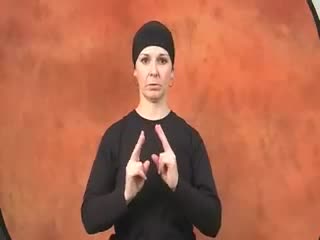
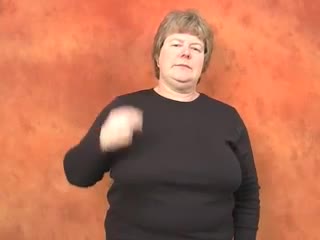
What This Sign Means in BSL
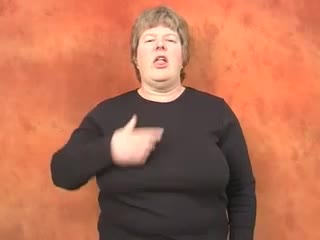
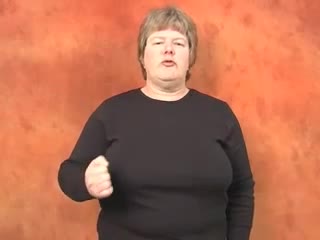
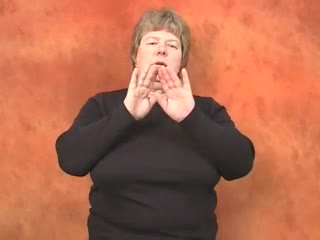
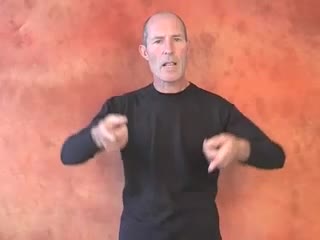
The BSL sign for roof structure vividly depicts the skeletal framework that provides the foundational support for a roof. It's much more specific than just 'roof'; it refers to the underlying rafters, beams, and trusses that give a building its shape and strength. This sign captures the architectural essence, focusing on the engineering and construction principles rather than just the finished surface.
This sign helps to differentiate between the protective outer layer of a roof and the complex system beneath it. It’s a sign that communicates depth and detail, showing a clear understanding of building components. Once you see it, it's quite intuitive how it represents the way a roof spreads out from a central peak.
Understanding this distinction is key in various conversations, from discussing property maintenance to architectural design. It’s a sign that invites precision and helps paint a clearer picture of what you're describing, allowing for more detailed and accurate communication in BSL.
When This Sign Feels Natural
You'll find this sign feels most natural when you're discussing the *internal workings* or *support system* of a roof. Imagine conversations with a builder, an architect, or when you're describing damage from a storm that has exposed the underlying beams of a building. It's perfect for situations where precision matters, like explaining how a new extension's roof will be supported or pointing out specific structural issues in an older property.
This sign brings a level of detail that a simpler sign for 'roof' wouldn't convey. It's invaluable when you need to talk about renovations, building inspections, or even historical architecture where the method of roof construction is a point of interest. It elevates your BSL vocabulary for discussions around construction and property.
Conversely, if you're simply talking about the weather affecting the *top* of a building, or generally referring to 'a roof' as a shelter from rain, you might opt for a more general sign. This sign is reserved for when you truly want to highlight the framework, the bones of the roof, rather than just its external shell or covering.
What Learners Usually Miss
A common oversight for new learners is failing to fully embody the *downward and outward arc* of the movement. It isn't just a quick flick; it's a deliberate, almost architectural gesture. Your hands need to start together above your head, representing the peak, then gently but firmly spread downwards and outwards, illustrating the load-bearing spread of the structure from its highest point.
Learners sometimes flatten the movement, making it look too much like the general sign for 'roof' or even 'house'. Remember, the key is to show the *structure* expanding from a central point. The movement is what differentiates it, giving it a strong three-dimensional quality that conveys the spreading support of the framework, not just a flat surface.
Also, pay close attention to the finish of the sign: your hands should end in a position that suggests the breadth and support of the roof's framework, rather than just stopping abruptly. A subtle, thoughtful facial expression, perhaps a slight furrow of the brow, can also help convey the precision and structural aspect of what you're describing, adding another layer of meaning to your signing.
A Simple Way to Remember It
Think of yourself as building a mini-roof above your head, outlining the main supports. The way your hands spread downwards and outwards mimics how rafters fan out from a central ridge to create a strong, protective covering. It’s like drawing the hidden architecture in the air, visualising the skeletal system of a roof as it spreads over a building.
- The "Architect's Sketch": Imagine you're an architect sketching the underlying framework of a roof in the air. Your hands trace the beams and supports that hold everything up.
- "Spreading Protection": The movement starts high and spreads wide, like the roof structure providing comprehensive shelter and protection over a broad area.
- "Peak to Eaves": Your hands begin together at the highest point (the peak) and fan out towards where the eaves would be, illustrating the full extent of the structural support from top to edge.
Short Practice Situations
- Imagine explaining to a friend that the old barn needs significant repairs to its roof structure before winter sets in to prevent collapse.
- You're at a historical site, discussing how the ancient building's unique timber roof structure has impressively stood the test of centuries.
- Tell a builder you want to understand the exact design of the new extension's roof structure, specifically how it will connect to the existing house.
- Describe a scene in a film where a character is hiding amongst the exposed roof structure of a large, abandoned warehouse, looking down.
- Discuss with a colleague the challenges of designing a new, environmentally friendly roof structure for a modern office building.
Signs to Learn Next
- HOUSE: This is a foundational sign for any discussion about buildings. Learning 'house' helps contextualise 'roof structure' within a larger dwelling or property.
- BUILD: Understanding 'build' allows you to discuss the construction process of a roof structure, adding dynamic context to its static form and purpose.
- ROOF (general): Knowing the more general sign for 'roof' helps you distinguish when you need to be specific about the underlying structure versus just the outer covering.
- CEILING: Often found directly beneath a roof structure, 'ceiling' is a natural follow-up, helping you describe the interior components that interact with the roof's framework.
- WALL: Another fundamental architectural component, 'wall' pairs well as roof structures typically rest upon or are supported by walls, making them interconnected concepts.