What This Sign Means in BSL
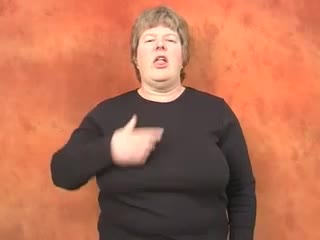
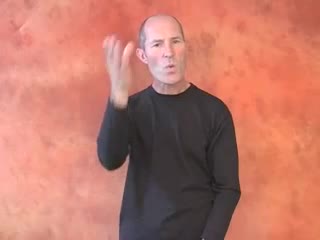
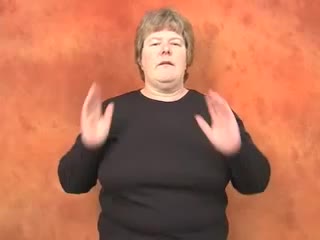
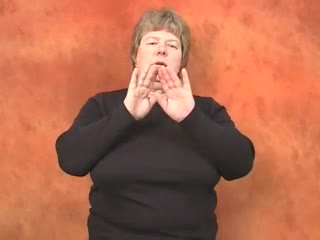
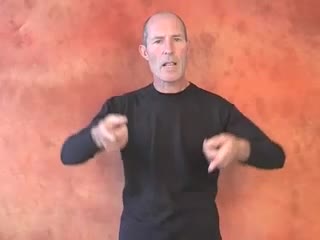
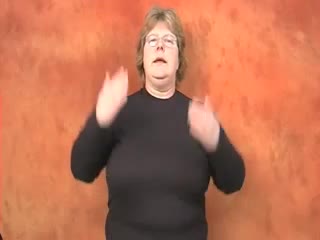
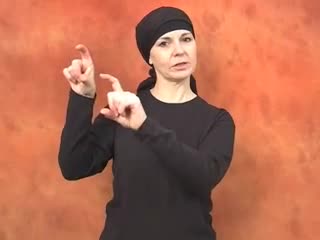
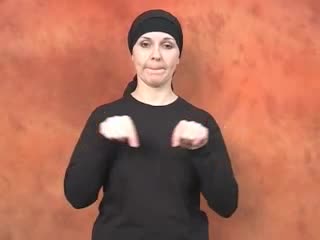
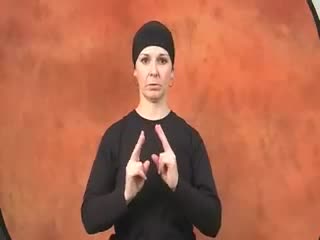
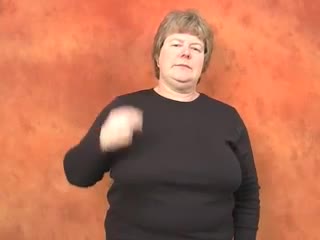
The BSL sign for zone is wonderfully direct, visually carving out the very concept it represents. When you make this sign, you're literally drawing an invisible boundary, defining a specific area in the air in front of you. It’s a powerful way to communicate a distinct space, whether that space is physical, like a pedestrian zone, or more abstract, such as a comfort zone or a danger zone.
This sign stands out because of its clarity and versatility. It doesn't just point to an area; it actively creates one through its movement. The simultaneous action of both hands working together really emphasizes the idea of a cohesive, designated region. It’s a sign that helps us think spatially and understand how different areas are segmented for various purposes.
You’ll find this sign incredibly useful for describing any place that has clear, though perhaps invisible, borders or a specific function. It’s about more than just a location; it's about a location with a purpose, a designated identity, or a set of rules that apply within its confines.
When This Sign Feels Natural
This sign feels most natural when you want to highlight that a particular area has been set aside or defined for a specific reason. Think about discussing a "no-parking zone," a "quiet zone" in a library, or a "construction zone" on the road. In these contexts, the sign immediately conveys the idea of a regulated or specially designated space, and it’s understood by a wide audience.
Beyond the physical, the sign for zone is also perfect for more abstract concepts. When someone says they need to "get in the zone" to focus, this sign accurately captures that mental space of concentration and immersion. Or if you’re talking about stepping "outside your comfort zone," the sign effectively communicates leaving a familiar, defined mental space. The context of your conversation will naturally guide whether you're referring to a physical or conceptual zone.
While you might sometimes describe an area simply by pointing or signing 'place', you'd choose the sign for 'zone' specifically when the *definition* or *designation* of that area is important. It's less about the general location and more about its specific characteristics as a bounded segment. It works well in both formal and informal registers, always adding precision to your description of space.
What Learners Usually Miss
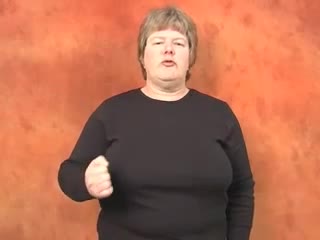
A common point learners often miss with this sign is the precision of the handshape and movement. Many might extend their index fingers but keep other fingers loosely bent, rather than curled into a firm fist. It’s crucial that the non-index fingers are tucked in tightly; this gives the extended index finger the emphasis it needs, making it clear you're using a '1' handshape for outlining.
Another subtle but vital aspect is the simultaneous and defined movement. Learners sometimes make the gesture too small or too vague, or worse, move one hand before the other. The power of this sign comes from both hands moving *together*, drawing a clear, deliberate square or circular shape. Imagine you're using both hands to draw on an invisible easel directly in front of your torso. The hands should move smoothly and with intention, clearly delineating the space, not just vaguely waving.
Finally, pay attention to the location and scale. The "zone" is typically outlined in the neutral space directly in front of your torso, at a comfortable height – not too high above your head, and not down by your knees. Some learners might create a zone that's too tiny, almost pinching the air, or excessively large, taking up too much personal space. Aim for a size that feels natural, as if you're outlining a medium-sized box or circle that a person could comfortably stand within. This ensures the sign is clear and proportional to the concept of a definable area.
A Simple Way to Remember It
The sign for zone is one of those fantastic BSL signs that truly "shows" its meaning. It’s like an invisible whiteboard in front of you, and your hands are the markers, drawing out the very boundaries of the zone you’re discussing. This visual representation makes it quite memorable once you grasp the core idea of defining a space.
- The "Drawing Board" Handshape: Think of your extended index fingers as little pencils or pointers, ready to mark out the edges of a specific area. The other fingers are tucked away, allowing your "drawing tool" to be precise.
- Defining Your Space: Imagine you're physically outlining an invisible, designated area around yourself or another point. You're setting its limits, saying, "This is where *this* begins and ends."
- Two Hands, One Idea: The synchronized movement of both hands reinforces that you're creating a single, coherent, bounded area. It’s not just a point, it's a whole segment of space being clearly defined.
Short Practice Situations
- "We need to create a quiet zone for people who are studying in the library."
- "Please be careful when you walk through the construction zone; it's quite busy."
- "I always feel more relaxed when I'm in my comfort zone, but sometimes it's good to try new things."
- "The city council has designated this whole street as a pedestrian zone during the day."
- "I just need to get in the zone with my music and finish this project."
Signs to Learn Next
- `AREA`: This sign is closely related as it also refers to a region or space, but it tends to be more general than 'zone', which implies a more defined or purposeful boundary. Learning 'area' will help you distinguish between a general region and a specifically designated zone.
- `PLACE`: Often used for a specific location or spot. While a zone is a type of place, 'place' itself is more about a singular point or general locale, whereas 'zone' is about the *boundaries* and *purpose* of that place.
- `BOUNDARY / BORDER`: These signs are natural companions to 'zone' because a zone inherently has boundaries. Learning how to sign 'boundary' will allow you to elaborate on the edges or limits of the zone you're discussing.
- `SPACE`: This sign refers to the abstract concept of room or emptiness. Understanding 'space' helps you conceptualise the raw material that can then be organized or divided into 'zones'.
- `INSIDE / OUTSIDE`: These signs are practical for describing movement or location relative to a defined zone. For example, "Are you inside the zone or outside it?"