Speed
0
Practice reps times watched

Create a free account to keep your watch history and review plan.

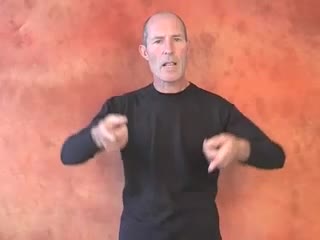
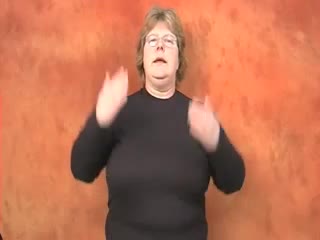
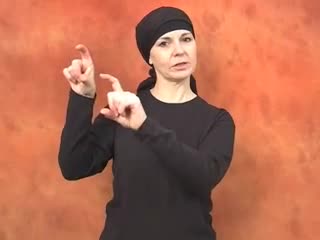
Best practice Use mirror mode, then watch the frame breakdown below to catch the start, movement, and finish cleanly.
Video via SpreadTheSign  - Free educational resource BSL
Updated April 20, 2026
🌱 Level 1 BSL Starter
🔥 0d +0 XP
0 XP 50 XP to Level 2
British Sign Language (BSL) 🟢 Beginner 📊 A1 ⚡ Very Common Noun

toilet

The facility for urination and defecation

Source-linked video Step-by-step guide Context and safety notes
Synonyms
Loo WC Bathroom
Antonyms
N/A
Difficulty
Not rated yet

Create a free account to save this sign, keep your watch history, and unlock a one-note journal preview.

How to sign it
Handshape
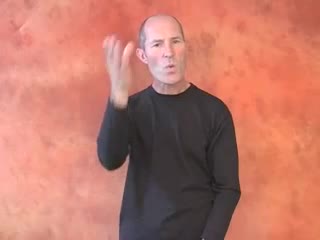
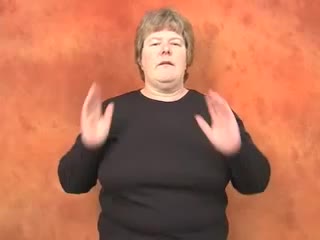
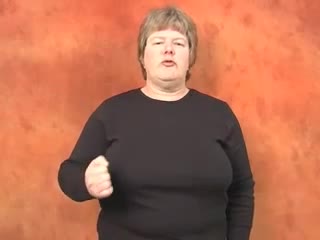
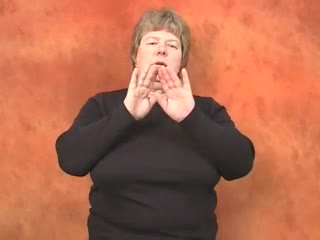
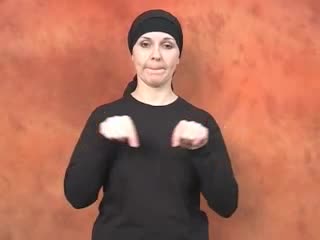
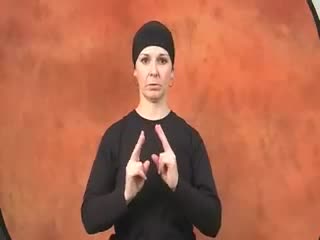
Dominant hand forms a T-handshape: index finger extended upwards, thumb placed across its nail
Location
Dominant shoulder or upper chest area
Movement
Hand wiggles or shakes repeatedly from the wrist
Palm Orientation
Generally forward or slightly towards the non-dominant side
Facial Expression
Often neutral expression; slight urgency implied sometimes
Review mode

Remember this sign faster

Free account
0 Queued
0 Due now
0 This week

Create a free account to save this sign and keep your first review preview. Upgrade when you want full spaced repetition, saved notes, and compare mode.

  • Save this sign to a comeback list you can actually revise from.
  • Keep private journal notes and memory tricks beside each sign.
  • Practice hard signs more often and easy ones less often.
  • Compare similar signs side by side instead of guessing.

Membership sits underneath the learning tools, not in front of them. Free gets you started. Paid turns your saved signs into a real long-term revision system.

Your Progress Live tracking
This sign Not learned yet
0 watches
How well do you know this sign?
0 Signs seen
0 Learned
0 All Sign Watches
0 Day streak

Watch signs to see your history here

Tracking locally for now. Create a free account to save your progress, your first journal note, and this sign.
Free gets you started. Paid adds the repeat-learning layer: review queues, deeper notes, compare mode, and better comeback tools.
My Sign Journal
Personal notes, saved to your account forever
Locked

Write memory tricks, usage examples, and cultural reminders beside each sign. Create a free account to unlock your first saved note preview on this page.

Create free account Already have an account? Log in

What This Sign Means in BSL

The BSL sign for toilet is a foundational sign, one of the first many learners pick up due to its practical, everyday utility. It's a direct and unambiguous way to refer to the facility itself, or to express a personal need to use it. When you see someone make this sign, they're communicating a very clear message, often with a sense of immediate relevance.

What makes this sign particularly noticeable is its specific handshape and movement. The dominant hand forms a clear 'T', then performs a subtle, repeated wiggle. This combination is highly effective, ensuring clarity across various contexts. It's a sign that doesn't rely heavily on surrounding context to be understood, making it incredibly valuable in quick exchanges.

The tone of the sign itself is generally neutral, becoming more urgent or relaxed based on your accompanying facial expression and body language. It's not inherently polite or impolite; its social register is largely determined by how you present it. Mastering this sign means you're equipped for a common and essential communication need in the BSL-speaking world.

When This Sign Feels Natural

This sign feels most natural in any situation where you'd refer to a toilet in spoken English. Imagine you've just arrived at a friend's house and need to ask where it is – this is the perfect sign. You'd combine it with the BSL sign for "where" to form a complete question. Similarly, if you're out and about and need to excuse yourself, signing "I need toilet" is entirely appropriate and easily understood.

It's also the sign you'd use when giving directions to someone, perhaps pointing the way after signing "toilet". Because it's a standard noun sign, it fits seamlessly into a wide range of sentences and conversational flows. There aren't many situations where this direct sign would be considered overly blunt or informal in BSL; it's simply the most common and accepted way to convey the concept.

While BSL has ways to express "bathroom" or "washroom" more broadly (often by combining signs like "wash" and "room"), the sign for toilet specifically refers to the WC itself. You'd stick with this particular sign when the specific facility is what you mean, rather than the general concept of a room for washing. It's precise and effective, ensuring there's no confusion about your meaning.

What Learners Usually Miss

One common slip-up for new learners is the precision of the 'T' handshape. It's easy to let the thumb drift away or the index finger curl slightly, making it look more like an 'I' or a 'J'. Remember, for the BSL sign for toilet, your dominant hand should have the index finger extended straight up, and your thumb should be placed across its nail, forming a very clear 'T'. Practice in front of a mirror to ensure that distinct shape is always there.

Another subtlety often missed is the quality of the 'wiggling' movement. It's not a stiff, aggressive shake, nor is it a massive, sweeping gesture. Instead, it's a relatively small, relaxed, repeated wiggle from the wrist, primarily involving the extended index finger. Think of it as a gentle, almost impatient tremor rather than a full shake. Over-exaggerating the movement can make the sign look forced or even change its meaning, so aim for that subtle, natural looseness.

Finally, while the sign is located on the dominant shoulder or upper chest, some learners place it too high near the ear, or too low on the stomach. Keeping it within that upper chest to shoulder area is key for clarity and natural flow. The movement should occur at that location, not travel significantly across the body. Focus on anchoring the sign's action firmly in its correct place.

A Simple Way to Remember It

To help this sign stick in your memory, break it down into its core components and link them to something familiar. The most prominent feature is the handshape, which looks just like the letter 'T' – an excellent mnemonic for the word "Toilet".

  • T for Toilet: The handshape is a perfect visual match for the first letter of the word "Toilet". Make that 'T' sharp and clear!
  • Wiggle of Urgency: The repeated wiggling movement can be imagined as a subtle expression of urgency or a gentle 'I need to go' feeling, or even a visual echo of a flush handle.
  • Proximate Purpose: Placing it near your dominant shoulder or upper chest can be linked to a personal need, often indicated by a slight shift of the body or a hand near oneself when feeling the urge to use the facilities.

Short Practice Situations

  • You're at a café and need to ask the staff where the facilities are. You sign: "WHERE TOILET?"
  • You're having a conversation with a friend and need to excuse yourself briefly. You sign: "I NEED TOILET."
  • Someone asks you where the nearest public conveniences are. You sign: "TOILET, THAT-WAY." (pointing).
  • You're describing a house layout to a friend. You sign: "UPSTAIRS, THERE TOILET."
  • You're checking if the facilities are open. You sign: "TOILET OPEN?"

Signs to Learn Next

  • NEED: This is a crucial companion sign, often used to express "I need the toilet." Learning "NEED" will allow you to form a complete and polite request.
  • WHERE: Frequently paired with "TOILET" when asking for directions. Knowing "WHERE" expands your ability to make practical inquiries.
  • WASH: Understanding "WASH" (especially "wash hands") is valuable in the context of hygiene, and it can also be part of a broader sign for "washroom" if you need to be less specific than "toilet."
  • ROOM: When combined with other signs like "WASH," it can refer to a "washroom" or "bathroom." This adds flexibility to how you refer to facilities.
  • CLEAN: Useful for asking about the state of facilities ("TOILET CLEAN?") or making observations, extending your conversational range beyond just asking for location or need.

🤖 AI Learning Guide for "toilet"

This sign uses a distinctive handshape and movement to represent the concept of a toilet; it's clear and widely understood

🎯 Practice Challenge

AI can guide users through forming the T-handshape, checking the location, and ensuring the correct wiggling movement

⚠️ Most Common Mistake

AI identifies incorrect handshape (e.g., wrong finger extended) or absent/incorrect wiggling movement

👐 How to Sign "toilet" in British Sign Language (BSL) (Quick Answer)

Follow these steps to sign toilet correctly in British Sign Language (BSL):

  1. 1 Form a T-handshape with your dominant hand
  2. 2 Position hand at dominant shoulder or upper chest
  3. 3 Wiggle or shake the hand repeatedly from the wrist

Tip: Watch the video above while following these steps for best results.

🤚 Sign Profile

🤚
Handshape
Dominant hand forms a T-handshape: index finger extended upwards, thumb placed across its nail
🔣
Handshape Code
T-handshape
Dominant Hand
Either
🙌
Hand Count
One-handed
📍
Location
Dominant shoulder or upper chest area
↗️
Movement
Hand wiggles or shakes repeatedly from the wrist
🔄
Movement Type
Repeated
👆
Contact
Air
👋
Palm Orientation
Generally forward or slightly towards the non-dominant side
⚖️
Symmetry
Asymmetric

😊 Non-Manual Features

Facial expressions and body language are grammatically essential in British Sign Language (BSL) - not optional!

😊
Facial Expression
Often neutral expression; slight urgency implied sometimes
🙆
Eyebrows
Neutral
👁️
Eye Gaze
Forward
🙂
Head Movement
None
👄
Mouth Morpheme
Often "Poo" or "Toilet" mouthing
🕴️
Body Shift
None

📖 Grammar & Linguistics

Part of Speech Noun (Place)
Inflection No
Classifier Usage N/A
Role Shift No

🎓 Learning Context

📌 When to Use: Requesting to go, asking location, or referring to the facility
⚠️ Common Mistake: Incorrect T-handshape, wrong location, or improper wiggle
🚫 When NOT to Use: Not for formal or technical discussions about sanitation systems
Context Tags
Basic needs request location

🧪 Practice Lab

Use these tiny checks right after watching the video. Fast feedback is what turns recognition into recall.

Meaning check

Which word matches the sign you just watched?

Usage check

Where would this sign fit most naturally?

Confidence check

How do you feel about toilet right now?

Pick one so SignDeaf can shape the rest of your session around how this sign actually feels.

🧭 Scenario Drill

One sign gets remembered faster when you attach it to real situations. Try these quick scene prompts.

Work

Stretch practice

Use this sign in a short workplace sentence or meeting exchange.

Family

Stretch practice

Try signing this while talking about family life or something at home.

School

Stretch practice

Imagine teaching this sign to a classmate or using it in a lesson.

Doctor

Stretch practice

Practise it in a healthcare conversation where clarity matters.

Travel

Stretch practice

Use it in a travel scenario like asking for help or directions.

💬 Example Usage

1.[en] Where is the toilet? / BSL:[WHERE TOILET?] | 2.[en] I need the toilet. / BSL:[ME NEED TOILET] | 3.[en] Go to the toilet. / BSL:[GO TOILET]

1.[en] Where is the toilet? / BSL:[WHERE TOILET?] | 2.[en] I need the toilet. / BSL:[ME NEED TOILET] | 3.[en] Go to the toilet. / BSL:[GO TOILET]

When to use it

Requesting to go, asking location, or referring to the facility

When not to use it

Not for formal or technical discussions about sanitation systems

Register

Neutral, Child-friendly

🌍 Cultural Context

Fundamental sign taught early for basic communication, especially with children

🗺️ Regional Variations

Yes, other signs exist regionally, e.g., shaking a closed fist

⚖️ Similar Signs - What's the Difference?

Understanding when to use toilet vs. related signs helps avoid common mix-ups.

The sign for "TEA" uses a T-handshape but is located at the mouth, mimicking drinking. "WASH" often uses a flat hand rubbing on another hand or a circular motion at the chest, distinct from the 'T' handshape and wiggle. Some regional "BATHROOM" variants might involve a shaking motion, but the handshape differs

📝 Usage Notes

Clear T-handshape is crucial. Small, repetitive wiggle

🏷️ Tags

Handshape

Keywords

💡
Did you know?
BSL is a full, natural language with its own grammar - not just English signed word by word.

📚 Explore More British Sign Language (BSL) Signs

Keep building your British Sign Language (BSL) vocabulary - explore signs by category or browse the full dictionary.