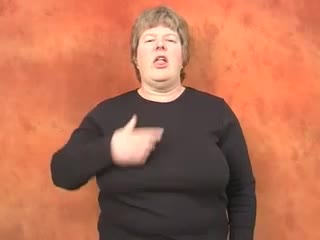
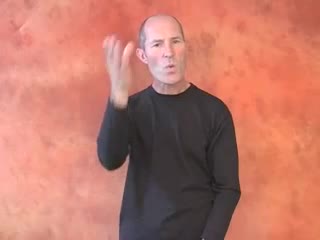
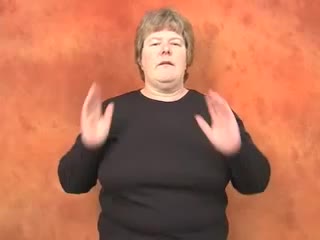
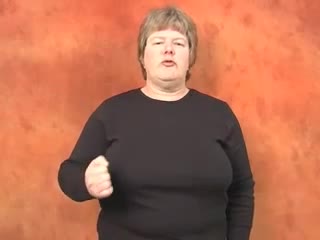
What Is the BSL Sign for "masonry cement"?
Imagine building something strong, something that truly lasts; you’ll certainly need a powerful binding agent for that. Here at SignDeaf.com, we understand the practical need to discuss construction, and that includes specific materials like masonry cement. Learning the British Sign Language masonry cement sign unlocks conversations about everything from home improvements to large-scale construction projects, connecting you directly with skilled Deaf individuals who work in these trades. This specific BSL sign for masonry cement skillfully blends the concepts of mixing and application, demonstrating the material's fundamental role in creating robust structures. Understanding this sign helps you articulate precise needs and engage fully in detailed discussions within the British Deaf community.
How to Sign "masonry cement" in British Sign Language - Step-by-Step
Mastering this particular sign involves a thoughtful sequence of handshapes, movements, and expressions that convey its specific purpose in construction.
Step 1: Handshape
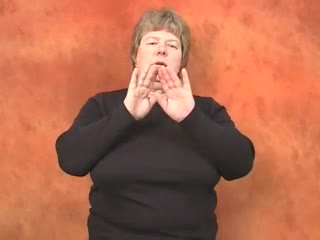
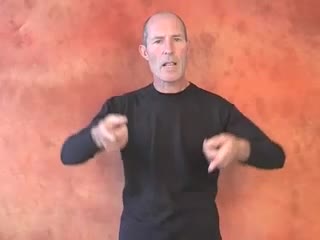
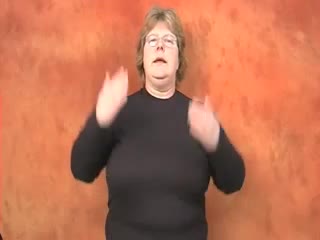
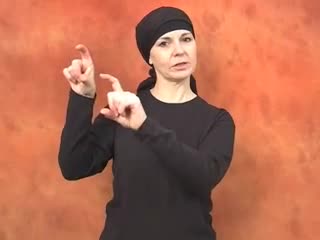
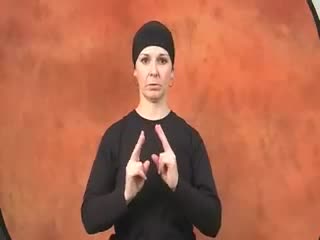
For your dominant hand, you'll adopt a flat B handshape; that means extending all your fingers straight and holding them together, while your thumb rests neatly tucked against your palm. Meanwhile, your non-dominant hand will form a relaxed C handshape, where your fingers curve gently as if you’re loosely cupping something. This distinction in handshapes sets the stage for the sign's descriptive action.
Step 2: Hand Placement and Location
Position your non-dominant hand, still in that gentle C shape, in the neutral signing space directly in front of your body, roughly at your waist height, with its palm facing upwards. Your dominant hand, now in its flat B shape, begins just above your non-dominant hand, almost touching its upward-facing palm. Think of this arrangement as preparing to work with a substance in a container.
Step 3: Movement
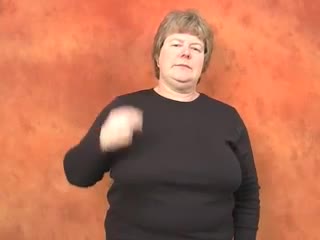
With your dominant flat hand, perform a smooth, circular stirring motion within the 'container' formed by your non-dominant C hand, rotating clockwise two or three times. Immediately following this mixing action, smoothly lift your dominant hand slightly, then turn its palm so it faces the fingers of your non-dominant hand (which remains stationary). Conclude with one small, precise downward patting motion, mimicking the application of the mixed material onto a vertical surface.
Step 4: Facial Expression and Mouthing
Typically, a neutral or mildly focused facial expression accompanies this sign, reflecting the practical nature of the material. Crucially, mouthing the word "cement" or "masonry" helps clarify the meaning, particularly in initial conversations or when the context isn't fully established. Remember, non-manual features are an integral part of BSL grammar, providing essential semantic information that complements your hand movements.
Step 5: Palm Orientation
The palm orientation of your dominant hand shifts during the sign's execution; it starts with the palm facing downwards during the mixing phase, then rotates to face the non-dominant hand (as if facing a wall) for the application phase. Your non-dominant hand, however, consistently maintains its palm-up orientation throughout the entire sign, serving as a stable base or container. This change in dominant palm direction is essential for accurately conveying both the preparation and use of the material.
"masonry cement" in BSL - Quick Reference Snapshot
Here’s a concise overview of how to produce the sign for masonry cement:
- Handshape: Dominant hand flat B; non-dominant hand relaxed C.
- Location: Dominant hand above non-dominant hand in neutral space, waist height.
- Movement: Dominant hand stirs in non-dominant C, then pats downward against non-dominant hand.
- Facial Expression: Neutral, possibly focused, with mouthing of "cement" or "masonry".
- Dominant Hand: Performs the active stirring and patting motions.
- Palm Orientation: Dominant hand palm down (mixing) then turns to face non-dominant hand (applying); non-dominant hand palm up throughout.
5 Memorisation Tricks for the BSL Sign "masonry cement"
Let's lock that British Sign Language masonry cement sign firmly in your memory with a few clever techniques! You'll be signing it naturally in no time.
- Visual Mnemonic: Picture your non-dominant C-hand as a small bucket or mixing bowl, and your dominant flat B-hand as a mixing paddle. You're stirring the dry cement powder, then flipping your hand to smooth it onto a brick. This vivid image directly connects the handshapes and movements to the material's preparation and use.
- Muscle-Memory Drill: Close your eyes and perform the sign slowly, focusing intently on the sensation in your hands and wrists. Repeat the stirring motion, feeling the gentle rotation, then consciously transition to the patting action, embedding the physical sequence into your motor memory. Doing this a few times each day helps solidify the muscle pathways involved.
- Meaning Connection: Think about the core purpose of masonry cement – it binds things together. The initial mixing motion represents preparing the binder, while the subsequent patting shows it being applied to create a solid, continuous structure. Linking the sign's form directly to its functional meaning deepens your understanding and recall.
- Common-Confusion Tip: A lot of people miss the subtle palm orientation shift of the dominant hand after the mixing. Remember, the patting motion isn't just a generic tap; it's specifically about applying to a vertical surface, which necessitates that palm rotation. Emphasising this detail ensures you’re signing "masonry cement" correctly, not just "mix" or "spread."
- Daily-Life Practice: Whenever you see a brick wall, a paved path, or any construction work, mentally (or physically, if appropriate!) perform the sign for masonry cement. You could even practice while stirring your tea or coffee, adapting the motion slightly to match the sign. Integrating it into your routine makes it feel less like a foreign gesture and more like a natural part of your vocabulary.
Real-Life Situations to Use the BSL Sign for "masonry cement"
Knowing how to sign masonry cement in BSL opens doors to practical conversations, whether you're at a building site or simply chatting about home projects. You'll find this sign incredibly useful in various contexts.
- Imagine you're discussing a DIY project with a Deaf friend. You might sign, "WE NEED MASONRY CEMENT FOR THIS WALL, RIGHT?" (Grammatically, this would involve setting up the wall spatially first, then signing NEED, then MASONRY CEMENT, followed by a quizzical facial expression for the question.)
- Perhaps you're at a hardware store and need to ask an assistant where to find the correct type of cement. You could point to a bag and ask, "THIS MASONRY CEMENT, IS IT GOOD FOR OUTSIDE?" (Here, the question particle, often a raised eyebrow, would indicate the interrogative nature, with the sign for MASONRY CEMENT followed by an external spatial reference for "outside".)
- You could be watching a construction documentary with a Deaf family member and comment, "OH, THEY'RE MIXING MASONRY CEMENT VERY FAST." (This involves establishing the subject "they" through pointing or a pronoun, then signing MASONRY CEMENT, followed by MIX and FAST, perhaps with an exaggerated facial expression to convey speed.)
- Consider a scenario where you're explaining a job to a builder. You might sign, "THE FOUNDATION REQUIRES STRONG MASONRY CEMENT." (You'd likely sign FOUNDATION, then indicate its strength with a robust sign, before introducing MASONRY CEMENT.)
Top 3 Mistakes Learners Make Signing "masonry cement" in BSL
It's completely natural to stumble a bit when learning new signs, and the sign for masonry cement is no exception. Let's look at the most common errors and how you can easily correct them to perfect your BSL masonry cement sign.
- Confusing the Mixing Motion: A frequent error involves making the initial mixing motion too large or erratic, resembling a general "stirring" rather than the specific, contained action. This happens because learners don't fully grasp the role of the non-dominant C-hand as a 'bowl'. To correct this, ensure your dominant flat hand stays within the imaginary confines of your non-dominant C-hand, performing precise, controlled circles. Think about keeping the "powder" from spilling over the edge!
- Omitting the Application Phase: Some learners complete the mixing movement but then drop their hands or just stop, missing the crucial second part of the sign – the application. This omission makes the sign unclear, potentially conveying just "mix" rather than the specific material. The solution is to consciously follow through: immediately after mixing, pivot your dominant hand, turning its palm towards your non-dominant hand (representing the wall), and perform that distinct downward patting motion. This two-part action is what makes it "masonry cement," not just "cement."
- Incorrect Palm Orientation During Application: Another common slip-up occurs when the dominant hand's palm doesn't correctly orient itself for the patting motion. Learners sometimes keep the palm facing down or towards themselves, which doesn't accurately depict applying material to a vertical surface. To fix this, after the mixing, make a deliberate rotation of your dominant hand so its palm clearly faces the fingers of your non-dominant hand before you execute the final pat. This subtle but vital detail accurately communicates the direction of application.
Fascinating Facts About the BSL Sign for "masonry cement"
Every sign carries a story and unique characteristics; the BSL sign for masonry cement is no different. You'll find some intriguing aspects about this particular gesture.
- While many signs have ancient roots, specialized construction terms like "masonry cement" often emerge and evolve with industry advancements, making their linguistic history a dynamic reflection of technological progress. This sign likely developed within the last century as building materials became more specific.
- Interestingly, regional variations within the British Deaf community might see slight differences in the speed or emphasis of the mixing and application motions, though the core handshapes remain consistent. These subtle nuances highlight the organic evolution of signing within different geographical areas.
- The sign possesses an iconic motivation, meaning its form directly resembles the action it describes; you're literally mimicking the preparation and use of the material. This iconic quality makes it relatively intuitive for new learners once they understand the underlying concept.
- Unlike some signs that directly incorporate elements of the manual alphabet (fingerspelling), the sign for masonry cement is a wholly constructed sign, relying on its iconic movements rather than an initial letter. This makes it a visually descriptive sign rather than an initialised one.
- One distinctive linguistic feature is its compound nature, combining both the action of preparing (mixing) and the action of using (applying) a specific substance within a single, fluid gesture. This efficiency reflects how BSL often condenses complex ideas into concise visual forms.
"masonry cement" in Deaf Culture - Community and Identity
Understanding a sign like "masonry cement" goes beyond just its physical form; it touches upon how the Deaf community navigates and contributes to the world around us. In Britain, Deaf people are actively involved in all sectors of society, including trades and construction, where precise communication about materials is paramount. This sign facilitates clear discussion among Deaf builders, architects, and DIY enthusiasts, ensuring projects proceed smoothly and safely. Learning and using specific vocabulary like this demonstrates respect for the rich linguistic diversity of the Deaf community and supports inclusive communication practices. It highlights the Deaf community’s full participation in the practical aspects of daily life and industry, asserting their identity as skilled professionals who contribute meaningfully to society, often overcoming communication barriers that hearing individuals might not even perceive.
Example Conversations Using "masonry cement" in BSL
Putting signs into context is the best way to truly learn them. Here are five examples using the sign for masonry cement in different conversational scenarios.
English: We need to buy more masonry cement for the new patio. - BSL structure: NEW PATIO, MASONRY CEMENT, MORE, NEED, BUY.
English: Is this masonry cement waterproof after it dries? - BSL structure: THIS MASONRY CEMENT, DRY FINISH, WATERPROOF, QUESTION (raised brows).
English: The builder said he used special masonry cement for the wall repair. - BSL structure: BUILDER, HE, WALL REPAIR, SPECIAL MASONRY CEMENT, USE, SAID.
English: How much masonry cement do you think we will need for this small job? - BSL structure: THIS SMALL JOB, MASONRY CEMENT, HOW MUCH, YOU THINK, NEED?
English: My brother prefers working with a quick-drying masonry cement. - BSL structure: MY BROTHER, PREFER, WORK WITH, MASONRY CEMENT, QUICK DRY.
Frequently Asked Questions: The BSL Sign for "masonry cement"
Let’s tackle some common questions you might have about the BSL sign for masonry cement, ensuring you feel confident and informed.
Are there regional variations for the BSL sign for masonry cement?
While the core components of the sign for masonry cement remain largely consistent across the UK, you might encounter slight regional differences in the emphasis or speed of the movements. These subtle variations are a natural part of any living language, reflecting local community preferences rather than fundamental changes to the sign's meaning or structure. The described sign will be widely understood.
Is the BSL sign for masonry cement suitable for beginners?
Absolutely, the BSL sign for masonry cement is quite suitable for beginners! Its iconic nature, where the sign visually represents the action of mixing and applying, makes it relatively easy to grasp and remember. Focusing on the distinct two-part movement will help you master it quickly, even if you're just starting your signing journey.
Are there any similar signs that could be confused with the BSL sign for masonry cement?
You might occasionally confuse the first part of the sign (the mixing motion) with a generic "MIX" sign or "STIR." However, the critical distinction lies in the follow-up application movement and the specific handshapes. The combination of the 'C' hand for a container and the 'B' hand for mixing, immediately followed by the application gesture, makes the BSL sign for masonry cement unique.
Can children learn the BSL sign for masonry cement easily?
Yes, children often pick up the BSL sign for masonry cement quite readily, especially if they enjoy imaginative play! The actions of stirring and patting are familiar to them from baking or building with playdough. Encouraging them to associate the sign with real-world building activities will make it a fun and memorable part of their vocabulary.
Does the BSL sign for masonry cement have an equivalent in other sign languages?
While other sign languages, such as Irish Sign Language or Australian Sign Language, will certainly have signs for similar construction materials, their specific forms will differ from the BSL sign for masonry cement. Each sign language develops its own unique vocabulary and grammatical structures, so a direct, identical equivalent isn't usually found across different languages.
Signs That Pair Naturally with "masonry cement" in BSL
Building your vocabulary systematically helps immensely, and some signs naturally cluster together, enhancing your fluency. Here are a few that complement "masonry cement."
- BRICK: This sign is essential because bricks are the most common material bound by masonry cement. Learning it alongside helps you discuss foundational construction elements.
- WALL: You'll sign "WALL" frequently when talking about where masonry cement is applied. It provides the spatial context for the cement's use.
- MIX: While the cement sign includes mixing, having a separate sign for the general concept of "MIX" allows for broader discussions about preparation, not just for cement.
- BUILD: This overarching verb is perfect for discussing construction projects where masonry cement is a key component. It provides the activity context.
- WATER: Masonry cement requires water to activate, so signing "WATER" often comes up in conversations about preparing the mixture. It highlights the essential ingredient.
- DRY: After application, masonry cement needs to dry and cure. The sign for "DRY" helps describe the crucial setting process.
Building Fluency: How to Practise "masonry cement" in BSL
Consistency is your best friend when aiming for fluency, and integrating the sign for masonry cement into your practice routine will make a real difference. Try performing the sign in front of a mirror, paying close attention to your dominant hand's specific flat B handshape and the smooth transition from the mixing motion to the precise patting. Think about how you would naturally integrate it into your daily BSL conversations; perhaps you could narrate a building project you saw, incorporating the sign for masonry cement organically. Don't shy away from filming yourself; watching your own signing back can reveal areas for improvement you might otherwise miss. The most impactful way to truly embed this sign is by finding a Deaf conversation partner; they'll provide invaluable feedback and context. Remember, spaced repetition over several days helps your brain cement new information far more effectively than cramming, so revisit this sign often. You're doing brilliantly on your journey to connect with the Deaf community!