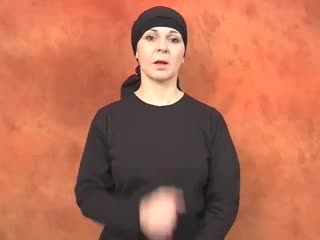
What Is the BSL Sign for "airtight"?
Imagine needing to keep something perfectly fresh, or perhaps describing a container that just won't let any air escape. That's where knowing the British Sign Language sign for airtight truly shines! This isn't just about preserving food; it's about conveying precision and security in your communication. The BSL sign for airtight perfectly captures the essence of a complete seal, where nothing can penetrate or escape. When you learn airtight BSL, you're picking up a visually logical sign that immediately connects to the concept of exclusion and containment. It's a fantastic example of how British Sign Language airtight expressions often draw from the physical world around us to form clear, impactful signs.
How to Sign "airtight" in British Sign Language - Step-by-Step
Unlocking the precise movements for "airtight" involves a specific sequence that truly conveys its meaning of an impenetrable seal, a process you'll find quite intuitive.
Step 1: Handshape
For this sign, your dominant hand forms a flat, open handshape. This means all your fingers stay together and extended, whilst your thumb tucks neatly alongside your palm. Meanwhile, your non-dominant hand adopts a gentle C-shape, curving your fingers and thumb as if you're loosely holding a small, round object or the rim of a container. You want a relaxed, natural curve, not a tight fist or a completely flat palm.
Step 2: Hand Placement and Location
Position your non-dominant hand, maintaining that C-shape, directly in front of your body, usually around chest height. Its palm should face slightly upwards and towards you, creating an open, receptive posture. Your dominant hand, in its flat handshape, begins positioned just above and slightly behind your non-dominant C-shaped hand. Visualize it hovering, ready to descend.
Step 3: Movement
Now for the crucial action: your dominant flat hand moves with purpose, sweeping directly downward. It descends until it meets and firmly presses onto the opening created by your non-dominant C-shaped hand. The movement isn't just a gentle touch; it involves a clear, decisive press, as if you're sealing a lid onto a jar. There's a subtle, sustained pressure at the point of contact, conveying the idea of something being tightly secured.
Step 4: Facial Expression and Mouthing
Your facial expression plays a genuinely vital role here, just as it does in so many British Sign Language signs. For "airtight", you should subtly tense your lips and perhaps even puff your cheeks slightly, mimicking the feeling of holding air in or keeping it out. This non-manual feature adds linguistic emphasis to the concept of tightness and containment. You'll also mouth the word "airtight" silently, or with a very slight whisper, which provides crucial phonetic information and clarifies the lexical item for your conversation partner. It truly elevates your communication beyond just the hand movements.
Step 5: Palm Orientation
Throughout the movement, your dominant hand's palm consistently faces downwards, directing the sealing action towards the non-dominant hand. Conversely, the palm of your non-dominant hand remains facing generally upwards and slightly inward, presenting the 'opening' to be sealed. This specific orientation is fundamental because it iconically represents the act of covering or sealing a container, reinforcing the core meaning of preventing air passage. Without this precise palm direction, the sign's clarity and intent could easily be lost or misinterpreted.
"airtight" in BSL - Quick Reference Snapshot
- Handshape: Dominant hand flat, fingers together; non-dominant hand forms a gentle C-shape.
- Location: Dominant hand above non-dominant hand, in front of the torso.
- Movement: Dominant hand sweeps down and firmly presses onto the non-dominant hand.
- Facial Expression: Tensed lips, slight cheek puff, conveying tightness.
- Dominant Hand: The hand you write with performs the sealing action.
- Palm Orientation: Dominant palm down; non-dominant palm up/inward.
5 Memorisation Tricks for the BSL Sign "airtight"
- Picture a Jar: Visualise yourself pressing the lid onto a jam jar or a food container. Your dominant flat hand becomes the lid, and your non-dominant C-hand forms the rim of the jar. This strong visual connection makes the sequence of handshapes and movement instantly memorable.
- The "Seal" Squeeze: Practise the final pressing motion with a slight, firm squeeze at the end. Focus on the muscle memory of that decisive contact, letting your hands remember the feeling of creating a secure seal. Repeating this gentle "squeeze" multiple times will engrain the movement deeply.
- Connect to the Meaning: Think about what "airtight" truly means: no air in, no air out. The sign's movement directly illustrates this concept of blocking any escape or entry. Understanding this iconic link between the action and the definition strengthens your recall of the sign.
- Avoid "Close" Confusion: Be careful not to confuse this sign with more general signs for 'closed' or 'shut'. While they share some elements of finality, the specific handshapes and the firm, pressing movement of "airtight" are distinct. Always remember the C-hand for the container and the flat hand for the definitive seal.
- Daily Life Practice: Integrate the sign into your everyday routines. When you're putting away leftovers, sealing a bag of crisps, or even checking the seal on a window, silently sign "airtight" as you perform the action. This regular, contextual practice helps solidify the sign in your active vocabulary.
Real-Life Situations to Use the BSL Sign for "airtight"
- Imagine you're in the kitchen, preparing food, and you need to ask a family member if a specific container will keep the contents fresh. You might sign, "THIS CONTAINER, AIRTIGHT? YES/NO?" using a questioning facial expression and eyebrow raise.
- Perhaps you're discussing home improvements with a friend, and they mention a drafty window. You could comment, "WINDOW, NOT AIRTIGHT," shaking your head slightly to indicate negation, highlighting the poor quality of the seal.
- Giving instructions for packing a picnic, you'd want to ensure snacks stay fresh. You might advise, "SANDWICHES, BAG, MAKE SURE AIRTIGHT," clearly indicating the necessary sealing action for proper preservation.
- You might be at a café, ordering a takeaway coffee, and want to confirm the lid is secure. Asking the server, "COFFEE, LID, AIRTIGHT?" with an expectant look ensures your drink won't spill on the journey.
Top 3 Mistakes Learners Make Signing "airtight" in BSL
- Incorrect Non-Dominant Handshape: Many beginners either flatten their non-dominant hand too much or curl it into too tight a fist. This common error prevents the 'container' aspect from being clearly represented. The precise correction involves maintaining a relaxed, gentle C-shape, providing a clear visual opening for the dominant hand to seal.
- Insufficient Movement or Pressure: Learners often execute the movement without enough decisiveness or the final, firm press. A weak or floppy movement fails to convey the 'tight' aspect of the sign, making it look more like a general 'close'. Always ensure your dominant hand descends with purpose and applies a distinct, brief pressure at the point of contact to truly communicate an impenetrable seal.
- Neglecting Facial Expression: Forgetting the accompanying facial expression is a frequent oversight. Without the subtly tensed lips or slight cheek puff, the sign loses its full grammatical and emotional weight, appearing less complete. Always remember to incorporate that slight tension in your face; it's a vital non-manual feature that reinforces the concept of tightness and completeness inherent in "airtight".
Fascinating Facts About the BSL Sign for "airtight"
- The iconic nature of this sign, directly mimicking the action of sealing a container, makes it highly intuitive for new learners and contributes to its widespread understanding across the BSL-using community. It's a prime example of how many BSL signs are visually motivated.
- While the core elements of the sign for "airtight" remain consistent, you might observe slight regional variations in the firmness of the final press or the exact angle of the non-dominant hand's C-shape. These minor differences often reflect local signing preferences rather than fundamental changes in meaning.
- This particular sign doesn't have a direct, obvious link to the manual alphabet, meaning its handshapes aren't direct representations of finger-spelled letters. Instead, its form is driven by its visual analogy to the concept it represents, making it highly descriptive.
- The emphatic downward movement and firm press are crucial linguistic features of this sign, conveying not just the action but also the *degree* of "tightness". This means the intensity of your movement directly impacts the strength of the meaning being conveyed.
- As an adjective, "airtight" in BSL often follows the noun it describes, adhering to a common grammatical pattern where descriptors appear after the subject. For example, you'd sign "CONTAINER AIRTIGHT" rather than "AIRTIGHT CONTAINER."
"airtight" in Deaf Culture - Community and Identity
The practical utility of signs like "airtight" is deeply woven into the fabric of everyday communication within the Deaf community. While it might seem like a simple descriptor, the ability to clearly and efficiently discuss the quality of food storage, the effectiveness of insulation, or the integrity of packaging contributes significantly to independent living and shared household responsibilities. It fosters a sense of self-reliance, ensuring that conversations about practical matters, from keeping food fresh to maintaining a home, are always accessible and straightforward. This clarity in communication strengthens community bonds, allowing individuals to share advice, solve problems collaboratively, and participate fully in discussions about their surroundings.
Example Conversations Using "airtight" in BSL
English: Is this food container airtight? - BSL structure: TOPIC (FOOD CONTAINER) then QUESTION (THIS, AIRTIGHT, YES/NO?). Eyebrows raised for question.
English: No, the lid isn't airtight. - BSL structure: NEGATION (NO), then TOPIC (LID), then STATEMENT (NOT AIRTIGHT). Head shake for negation.
English: We need to find an airtight bag for the biscuits. - BSL structure: NEED, BISCUITS, BAG, AIRTIGHT, FIND. The adjective follows the noun.
English: Make sure the seal on that window is airtight. - BSL structure: WINDOW, SEAL, AIRTIGHT, MAKE-SURE. Emphasising the imperative with direct address.
English: This jar is perfectly airtight, your food will stay fresh. - BSL structure: JAR, THIS, AIRTIGHT, PERFECT, FOOD, FRESH, STAY. Affirmative statement with a positive facial expression.
Frequently Asked Questions: The BSL Sign for "airtight"
Are there regional variations for "airtight" in BSL?
While the fundamental handshapes and core movement for "airtight" remain quite consistent across the United Kingdom, you might encounter subtle regional nuances. Some areas might feature a slightly more pronounced final press, or a marginal shift in the non-dominant hand's angle, reflecting local signing preferences. These are generally minor and won't impede understanding.
Are there similar signs to "airtight" in BSL I should watch out for?
Absolutely, you'll want to differentiate "airtight" from signs like 'CLOSED', 'SEALED', or 'LID'. While they share conceptual links to containment, each has distinct handshapes, movements, and often facial expressions. The specific C-hand for the container and the firm, downward press of the flat dominant hand are unique to "airtight", so pay close attention to these details.
Is the BSL sign for "airtight" suitable for beginners?
Yes, the sign for "airtight" is quite beginner-friendly! Its iconic nature, where the sign visually represents the action of sealing, makes it relatively easy to learn and remember. The handshapes are common, and the movement is straightforward, making it an excellent addition to any new learner's vocabulary.
Can children easily learn the sign for "airtight"?
Children often pick up the sign for "airtight" with ease, particularly due to its direct connection to everyday objects like food containers and jars. The visual representation of sealing something up resonates well with their understanding of keeping things fresh or tidy. Incorporating it into games or snack time makes it a fun and practical sign for young learners.
How does the BSL sign for "airtight" compare to other sign languages?
Across different visual-gestural languages worldwide, you'll frequently find signs for "airtight" that share a similar iconic motivation, often involving two hands coming together to represent a seal or closure. While the specific handshapes, exact movements, and accompanying non-manual features will vary from one language to another, the underlying concept of visual representation for sealing is a common thread in how such signs are formed.
Signs That Pair Naturally with "airtight" in BSL
- CONTAINER: This sign naturally precedes or accompanies "airtight" when discussing the object that needs to be sealed. Learning them together helps you describe storage solutions comprehensively.
- FOOD: Since preserving edibles is a primary use case, linking "airtight" with signs for various types of food, like 'BREAD' or 'LEFTOVERS', is incredibly practical for daily conversations.
- FRESH: An airtight seal often leads to freshness. Pairing "airtight" with 'FRESH' allows you to discuss the positive outcome of proper storage and quality.
- LID: The 'LID' sign describes the component that creates the seal, making it a logical companion to "airtight" when talking about specific parts of a container.
- PRESERVE: This sign, meaning to keep something safe or in good condition, directly relates to the purpose of making something airtight. They share a conceptual goal.
- EMPTY: Discussing whether a container is empty or full might lead to a question about whether it should then be kept airtight to prevent dust or maintain hygiene.
Building Fluency: How to Practise "airtight" in BSL
To truly embed the BSL sign for "airtight" into your signing vocabulary, you'll want to engage in regular, focused practice. Start by standing in front of a mirror, carefully observing your handshapes and the precision of your dominant hand's firm downward press. Pay close attention to your non-manual features, ensuring your lips tense slightly to convey the 'tightness' of the seal. Next, integrate this sign into your daily life: every time you close a food packet, secure a bottle, or even just put a lid on a pan, silently practise signing "airtight." Consider filming yourself signing the word in different contexts, then reviewing the footage to spot any areas for improvement in handshape, movement, or facial expression. Finally, and perhaps most importantly, seek out opportunities to use the sign in genuine conversations with Deaf individuals. They can offer invaluable feedback and help you refine your execution, making your communication clear and confident. Keep practising, and you'll find this practical sign quickly becomes second nature!