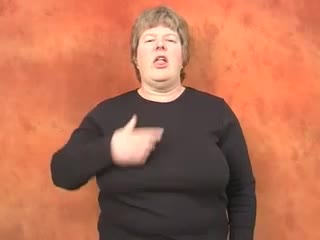
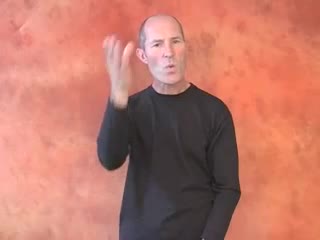
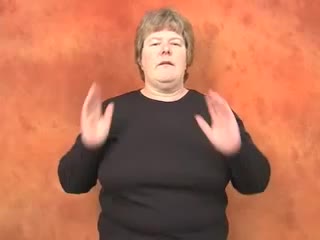
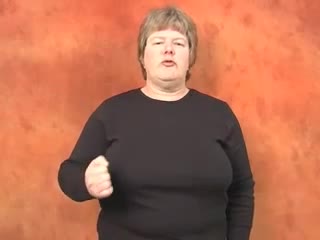
What Is the BSL Sign for "floor varnish"?
Welcome, fellow communicators, to SignDeaf.com! Whether you are Deaf yourself, a hearing person learning British Sign Language (BSL), or simply curious about the rich world of BSL, we are delighted to have you here. Today, we're diving into a very practical sign: **the BSL sign for floor varnish**. This sign is essential for discussing home improvements, maintenance, and even professional contexts related to building and design. Understanding how to sign "floor varnish" in BSL allows you to clearly communicate about protecting and enhancing wooden floors, ensuring your conversations are smooth and well-understood within the Deaf community. Let's explore this sign together and build your BSL vocabulary with confidence!
How to Sign "floor varnish" in British Sign Language - Step-by-Step Guide
Learning the **British Sign Language floor varnish** sign is straightforward when broken down into its core components. Follow these steps for a clear and accurate execution.
Step 1: Handshape
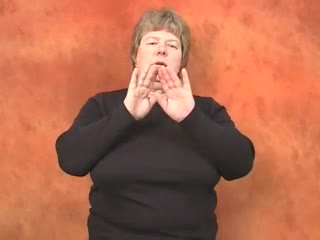
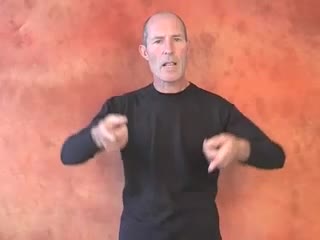
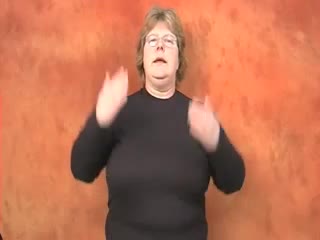
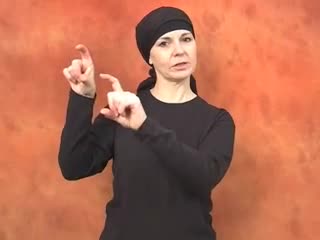
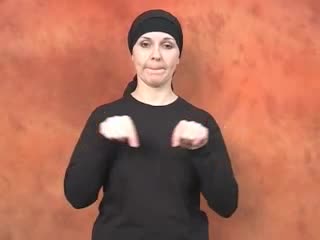
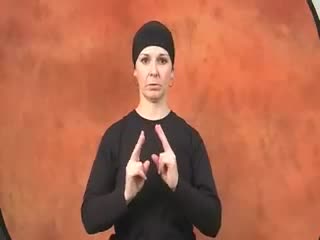
For the BSL sign for "floor varnish", your dominant hand will adopt a flat handshape, often referred to as a "B" handshape in manual alphabet systems, but here it represents a tool or the application surface. Your fingers are held straight and together, with your thumb tucked alongside or slightly overlapping your palm. The non-dominant hand will also form a flat handshape, fingers straight and together, with the palm facing upwards. This non-dominant hand will serve as the "floor" surface onto which the "varnish" is applied. Both handshapes should be firm but relaxed, ready for movement.
Step 2: Hand Position and Location
Begin by positioning your non-dominant hand, palm facing upwards and flat, horizontally in front of your body at approximately waist to chest height. This represents the floor. Your dominant hand, also flat, should be positioned slightly above and just behind the wrist of your non-dominant hand, with its palm facing downwards. Ensure there is a small gap between your dominant hand and the non-dominant hand, representing the space above the floor where the varnish applicator would move. This neutral signing space allows for clear visibility and comfortable execution of the sign.
Step 3: Movement
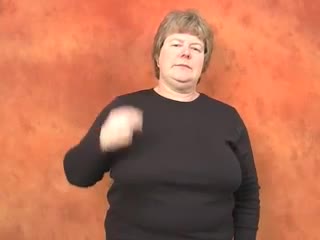
The movement for the **floor varnish sign language** combines a sweeping action with a sense of application. From its starting position, your dominant hand, palm down, moves smoothly and deliberately forward across the palm of your non-dominant hand, extending towards your fingertips. Imagine spreading a thin, even layer of varnish. Once it reaches the fingertips of your non-dominant hand, lift your dominant hand slightly, bring it back to the starting position (behind the wrist of your non-dominant hand), and repeat the forward sweeping motion. Perform this sweeping motion two or three times in a steady, controlled manner. The movement should be continuous and fluid, reflecting the action of applying varnish.
Step 4: Non-Manual Features (Facial Expression & Mouthing)
Non-manual features are grammatically vital in BSL, adding context, emotion, and clarity to your signs. For the **BSL floor varnish sign**, a neutral or slightly focused facial expression is appropriate, conveying the task-oriented nature of applying varnish. You might also subtly mouth the words "floor varnish" or just "varnish" silently. Mouthing helps to distinguish the sign from similar movements and provides a clear English equivalent, which is particularly helpful for BSL learners and in mixed Deaf and hearing conversations. Avoid overly exaggerated expressions unless the context demands it, such as expressing frustration with the task. A steady gaze and a slight forward lean can also indicate focus on the task.
Step 5: Palm Orientation
Throughout the sign for "floor varnish", the palm of your dominant hand should consistently face downwards, mimicking the flat surface of a brush or applicator moving over the floor. The palm of your non-dominant hand should consistently face upwards, representing the floor itself. Neither palm orientation changes significantly during the movement. Maintaining these orientations is crucial for the visual accuracy and meaning of the sign, ensuring it is clearly understood as the application of something onto a flat surface.
Quick Reference: "floor varnish" BSL Sign at a Glance
- Handshape: Both hands flat (B handshape), fingers together and straight.
- Location: Dominant hand moves over the non-dominant hand, positioned horizontally in front of the body at chest/waist height.
- Movement: Dominant hand sweeps smoothly forward across non-dominant palm, repeating 2-3 times.
- Facial Expression: Neutral or slightly focused, possibly mouthing "floor varnish" or "varnish".
- Dominant Hand: Performs the sweeping action; non-dominant hand acts as the surface.
5 Tips to Learn the BSL Sign for "floor varnish" Quickly
- Visualise the Action: Connect the sign directly to the physical action of applying varnish to a floor. Imagine holding a wide brush or roller and smoothly sweeping it across wooden planks. This strong visual link will help you remember the handshapes, location, and movement more intuitively, making the **learn floor varnish BSL** process much faster and more enjoyable.
- Practice with Purpose: Don't just repeat the sign mindlessly. As you sign, consciously think about what each part represents: the non-dominant hand as the floor, the dominant hand as the applicator. This mindful practice reinforces the meaning and helps solidify the sign in your memory, preventing it from becoming just a series of disconnected movements.
- Use Mnemonics for Handshape: For the flat handshape, think of the "B" in "Brush" or "Board" (like a floorboard). This simple mnemonic can help you recall the correct hand configuration quickly. For the non-dominant hand, think of it as a flat "F" for "Floor," reinforcing its role in the sign's meaning.
- Integrate Non-Manual Features Early: From your very first attempts, practice the sign with the appropriate facial expression and mouthing. Non-manual features are not optional extras; they are integral to BSL grammar and meaning. Incorporating them from the beginning will make your signing more natural and grammatically correct.
- Contextualise with Sentences: Instead of learning the sign in isolation, try to immediately place it into simple sentences. For example, "I need to buy floor varnish" or "The floor varnish is dry." This helps you understand its usage in a conversational context and strengthens its recall for real-life communication.
When and How to Use the BSL Sign for "floor varnish"
The **British Sign Language floor varnish** sign is highly practical and can be used in numerous everyday contexts, especially when discussing home maintenance, DIY projects, or even professional services. Understanding its conversational application is key to fluency.
- Home Renovation Discussions: When planning or discussing home improvements, you might sign, "WE NEED BUY NEW FLOOR VARNISH" (WE NEED BUY NEW BSL-FLOOR-VARNISH). This clearly communicates the specific material required.
- Describing a Finished Project: After completing a project, you could sign, "FLOOR VARNISH LOOK SHINY" (BSL-FLOOR-VARNISH LOOK SHINY). Here, the sign acts as the subject of the sentence, describing its appearance.
- Asking for Recommendations: If you're unsure which product to use, you might ask, "WHICH FLOOR VARNISH BEST?" (WHICH BSL-FLOOR-VARNISH BEST?). The sign fits naturally into question structures, often accompanied by a questioning facial expression.
- Comparing Products: In conversations about different types of finishes, you could sign, "THIS FLOOR VARNISH STRONG. THAT FLOOR VARNISH NOT STRONG" (THIS BSL-FLOOR-VARNISH STRONG. THAT BSL-FLOOR-VARNISH NOT STRONG). BSL often uses spatial grammar to compare items, placing them in different areas of the signing space.
Grammatically, "floor varnish" functions as a noun. In BSL, word order can be more flexible than English, often following a Topic-Comment structure. For example, "FLOOR VARNISH, I BUY YESTERDAY" is perfectly acceptable, placing emphasis on the varnish itself. The sign does not change based on tense or plurality; context and other signs (like "MANY" or time signs) indicate these aspects.
Common Mistakes When Signing "floor varnish" in BSL - And How to Fix Them
Even experienced learners can sometimes make small errors, and that's perfectly normal! Recognising common pitfalls for the **BSL sign for floor varnish** can significantly improve your accuracy and clarity.
- Mistake 1: Incorrect Handshape or Orientation.
Error: Some beginners might use a curved handshape, a fist, or have the palms facing away from each other. This can make the sign look like "paint," "wipe," or even an unrelated action, leading to confusion.
Why it happens: This often occurs when learners haven't fully internalised the specific flat handshapes required or the precise palm orientations that signify the "floor" and the "applicator."
Correction: Focus intensely on forming a clean, flat handshape for both hands. Ensure your non-dominant palm is consistently facing upwards (representing the floor) and your dominant palm is consistently facing downwards (representing the application). Practice in front of a mirror to self-correct your handshapes and orientations until they feel natural.
- Mistake 2: Insufficient or Exaggerated Movement.
Error: The movement might be too small, jerky, or overly dramatic, not conveying the smooth, deliberate action of varnishing. A single, quick sweep might be mistaken for "wipe" or "clean."
Why it happens: Learners sometimes rush the sign or don't fully understand the nuance of the repetitive, even motion required. They might also overcompensate, making the movement too large.
Correction: Remember that varnishing is a careful, spreading action. Ensure your dominant hand moves smoothly across your non-dominant palm, repeating the sweep two or three times. The movement should be controlled and steady, reflecting the careful application of a liquid. Imagine you're actually varnishing a surface – the speed and arc should match that real-world action.
- Mistake 3: Neglecting Non-Manual Features.
Error: Signing "floor varnish" without any facial expression or mouthing. This can make the sign seem flat, unclear, or less natural, especially if there are similar signs that rely on non-manuals for differentiation.
Why it happens: Beginners sometimes focus solely on the manual components, forgetting that non-manual features are an integral part of BSL grammar and communication, providing crucial context and meaning.
Correction: Consciously practice mouthing "floor varnish" or "varnish" as you perform the sign. Adopt a neutral or slightly focused expression. Consider the context: are you asking a question? Expressing satisfaction? Let your facial expression subtly support the message. Make non-manuals an automatic part of your signing practice, not an afterthought.
"floor varnish" in BSL - Fun Facts and History
The journey of signs within BSL is fascinating, revealing much about the language's evolution and the culture it serves. The **BSL sign for floor varnish** holds its own interesting quirks.
- Iconic Representation: Many BSL signs are iconic, meaning they visually resemble the object or action they represent. The sign for "floor varnish" is a prime example, directly mirroring the action of applying a coating to a flat surface. This iconic quality makes it relatively intuitive for new learners to grasp.
- Evolution of "Varnish": While the concept of protecting wood floors is ancient, the specific modern sign for "floor varnish" likely evolved alongside the widespread availability and use of commercial varnish products. Older BSL dialects might have used more descriptive phrases or a combination of "wood" and "shine" or "protect." The current sign is efficient and directly represents the specific product and action.
- Regional Variations: While the core sign described here is widely understood across the UK, BSL is a vibrant language with regional variations. In some areas, particularly older signers, you might encounter slight differences in the precise movement or the starting hand position for "varnish," or even a compound sign using the sign for "shine" or "coat." Always be open to these regional differences, as they enrich the language.
- Connection to "Paint" or "Polish": The sign for "floor varnish" shares a conceptual link with other signs related to surface application, such as "paint" or "polish." While distinct, understanding these similarities can help learners categorise and remember related signs more effectively. "Paint" often involves a more vertical or broader stroke, while "polish" might involve a circular buffing motion.
- Linguistic Efficiency: The sign for "floor varnish" demonstrates BSL's efficiency. Instead of signing "apply liquid coating to wood floor for protection," a single, iconic sign conveys the entire concept quickly and clearly. This conciseness is a hallmark of natural sign languages.
"floor varnish" in Deaf Culture and BSL Community
In the Deaf community, like any other, discussions about home, personal spaces, and maintenance are common and important. The **BSL floor varnish sign** is more than just a functional word; it's a part of shared experiences and communication about creating comfortable, cared-for environments. Deaf people, like hearing people, take pride in their homes, engage in DIY projects, and discuss the practicalities of upkeep.
The ability to accurately sign about specific items like "floor varnish" allows for seamless conversations about house renovations, interior design choices, and the practical challenges or joys of home ownership. It fosters a sense of shared experience, whether discussing the best type of varnish for a particular floor, the effort involved in applying it, or simply admiring a newly finished, gleaming surface. For BSL users, clear communication about such tangible aspects of life reinforces connection and ensures that everyone can participate fully in discussions about their living spaces and personal projects, enhancing social bonds and mutual understanding within the community.
Example Sentences Using "floor varnish" in BSL
Here are five practical example sentences demonstrating how to use the **BSL floor varnish sign** in context.
English sentence: I need to buy some floor varnish for the hallway. - BSL structure: HALLWAY, I NEED BUY FLOOR-VARNISH.
English sentence: The floor varnish makes the wood look beautiful and protected. - BSL structure: FLOOR-VARNISH, WOOD LOOK BEAUTIFUL PROTECT.
English sentence: Have you finished applying the floor varnish yet? - BSL structure: FLOOR-VARNISH APPLY FINISH YOU? (Questioning facial expression)
English sentence: This floor varnish is very durable and long-lasting. - BSL structure: THIS FLOOR-VARNISH VERY STRONG LAST-LONG.
English sentence: Be careful, the floor varnish is still wet. - BSL structure: CAREFUL! FLOOR-VARNISH STILL WET.
Frequently Asked Questions About the BSL Sign for "floor varnish"
Is this sign the same everywhere in the UK?
While the core concept and execution of the **BSL sign for floor varnish** are widely understood across the UK, BSL does have regional variations, much like spoken English dialects. The sign described here is generally accepted, but you might encounter minor differences in movement or hand positioning depending on the specific region or the age of the signer. Always be adaptable and observe local signers.
How is this sign different from similar signs like "paint" or "polish"?
The **BSL floor varnish sign** is distinct. "Paint" often uses a broader, more vertical or sweeping motion, sometimes with a 'P' handshape or a flat hand moving as if painting a wall. "Polish" typically involves a repeated circular buffing motion, often with a 'C' or flat hand, implying rubbing to create shine. "Floor varnish" specifically focuses on the thin, even application of a liquid onto a flat, horizontal surface.
Is this sign suitable for beginners?
Absolutely! The **BSL floor varnish sign** is an excellent sign for beginners. Its iconic nature, directly representing the action, makes it relatively easy to learn and remember. Mastering this sign will help you grasp fundamental BSL principles of handshape, location, and movement, building a strong foundation for more complex vocabulary.
Can I use this sign with Deaf children?
Yes, this sign is perfectly suitable for communicating with Deaf children. It's clear, visual, and relates to a common household activity. When teaching children, you can even make it more engaging by involving them in a pretend varnishing activity or showing them actual varnish being applied, linking the sign directly to the real-world object and action.
Where can I practise this sign?
You can practise the **learn floor varnish BSL** sign anywhere! Use a mirror to check your handshapes and movement. Film yourself to review your execution. Most importantly, try to use it in real conversations with other BSL learners or, ideally, with Deaf individuals. Websites like SignDeaf.com also offer resources, and local Deaf clubs or BSL classes provide invaluable opportunities for practice and feedback.
Related BSL Signs to Learn Alongside "floor varnish"
To build your vocabulary and conversational fluency around home improvement and maintenance, learning the **BSL floor varnish sign** alongside these related signs will be incredibly beneficial.
- WOOD: Essential for specifying what kind of floor is being varnished. (Dominant 'W' handshape touching non-dominant flat hand's palm, then moving slightly forward).
- FLOOR: A common sign often incorporated into compound signs, or used independently. (Both flat hands, palms down, sweep outwards and slightly downwards, as if indicating a wide surface).
- SHINY: Describes the desired outcome of varnishing. (Dominant 'S' handshape (closed fist) opens to '5' handshape (open palm with fingers spread), moving upwards and outwards from the face, often with sparkling facial expression).
- PROTECT: Explains the purpose of varnish. (Dominant hand forms a 'P' handshape, moving in a small protective circle around the non-dominant fist).
- PAINT: Distinguishing between varnish and paint is important. (Dominant flat hand, palm towards surface, moves up and down vertically as if painting a wall).
- DRY: Crucial for knowing when it's safe to walk on a varnished floor. (Dominant index finger and thumb pinch together, then open and flick outwards, usually repeated).
How to Practise the BSL Sign for "floor varnish" Effectively
Consistent and varied practice is the secret to mastering any BSL sign, including the **BSL sign for floor varnish**. Start by practising in front of a mirror, paying close attention to your handshapes, palm orientations, and the smooth, repetitive movement. This visual feedback is invaluable for self-correction. Next, try filming yourself; you'll often spot nuances you miss in the mirror, especially regarding non-manual features. Integrate the sign into simple sentences, even if just to yourself, to help it feel natural in a conversational flow. The ultimate goal is to practise with a Deaf person or a fluent BSL signer who can provide direct feedback, helping you refine your technique and build confidence. Daily repetition, even for just a few minutes, will cement the sign into your long-term memory, making you a more confident and fluent signer.