What This Sign Means in BSL
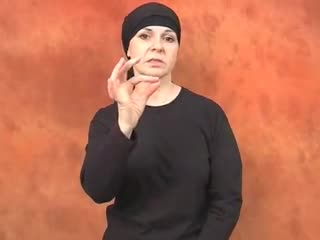
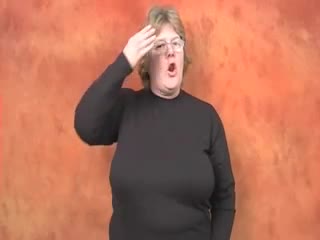
The BSL sign for weld is wonderfully direct, embodying the action it describes with clarity. When you use this sign, you’re not just saying "join"; you're specifically conveying the powerful process of permanently fusing two pieces of material, typically metal, using heat and often pressure. It immediately brings to mind the sparks, the heat, and the focused precision of a welder at work.
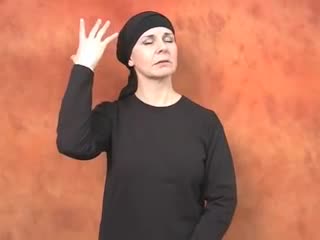
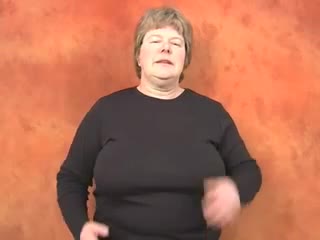
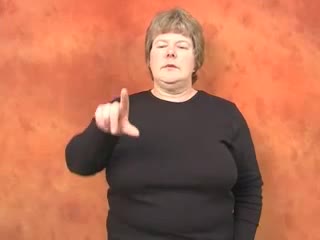
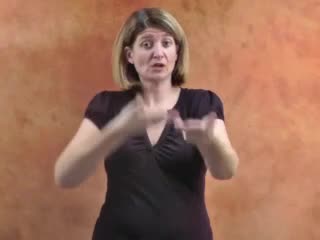
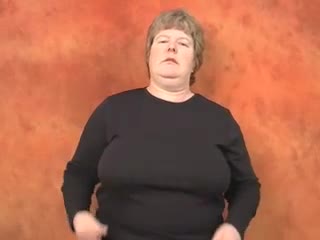
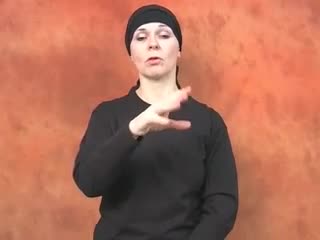
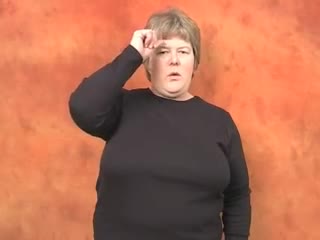
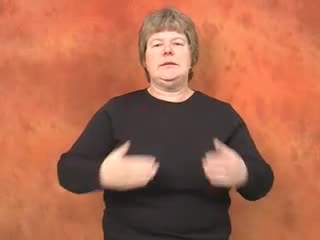
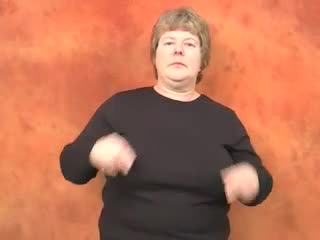
This sign is a verb, and its form perfectly mirrors the function. Your dominant G-hand acts like the focused tip of a welding torch or an electrode, while your non-dominant hand provides the stable base, representing the material being joined. The movement itself is key, showing a controlled, steady application that creates a strong, lasting bond.
It's a practical sign, deeply rooted in the world of construction, engineering, and fabrication. Learners will find it invaluable when discussing skilled trades, repairs, manufacturing processes, or anything involving the robust joining of components where the method itself is significant.
When This Sign Feels Natural
You'll find the BSL sign for weld feels most natural in conversations that require technical precision or when the specific method of joining is important to the meaning. Imagine you’re discussing how a new bridge is constructed, detailing the repairs on a metal fence, or explaining the fabrication process of car parts in a factory. In these scenarios, using "weld" adds specific, unambiguous detail that a more general sign like "join" might miss.
This sign shines in contexts where materials are being permanently altered and bonded, often with significant strength requirements. If you're talking about a quick fix with glue or tape, "weld" wouldn't be appropriate. But if the topic is about durable, structural connections in metalwork, then this sign is precisely what you need. It conveys a professional, industrial, or craft-specific register.
Consider your audience too. If you're conversing with someone who works in trades, engineering, or design, using the BSL sign for weld will be instantly understood and appreciated for its accuracy. It shows a depth of vocabulary that goes beyond everyday terms, reflecting a real understanding of the subject matter.
What Learners Usually Miss
One common oversight for learners is the precise nature of the dominant hand's movement. It's not a single, sharp jab or a loose wave. The sign for weld involves a short, controlled, and often slightly repeated forward-and-down linear motion, mimicking the deliberate, focused action of a welder moving along a seam. It's about steady application, not a quick touch. Pay attention to that subtle repetition and precision; it conveys expertise.
Another area where learners sometimes falter is the role of the non-dominant hand. It's not just there for show. Your flat B-hand acts as the stable surface, representing the material being welded. It should be firm and steady, providing a clear visual plane for the dominant hand to interact with. Sometimes learners make this hand too passive or, conversely, too active; its primary function is to provide context and stability for the welding action.
Lastly, learners might neglect the subtle facial expression that often accompanies such a focused task. While not a dramatic expression, a look of concentration or mild intensity can naturally enhance the sign, mirroring the real-world focus required for welding. It's less about emotion and more about conveying the nature of the work – precise, often hot, and requiring careful attention.
A Simple Way to Remember It
To really cement the BSL sign for weld in your memory, think about the visual story it tells with your hands. Each part of the sign directly relates to the action, making it highly iconic and easy to recall.
- Your dominant G-hand, with its extended index finger and thumb, powerfully represents the focused tip of a welding torch or the electrode, precisely directing the heat.
- Your non-dominant flat B-hand provides the essential stable surface, acting as the two pieces of metal laid out, ready to be joined together.
- The short, repeated forward and slightly downward movement vividly mimics the steady, controlled path a welder takes to create a strong, continuous seam.
Short Practice Situations
- My partner is an engineer, and their team often needs to weld new components onto existing structures.
- We had to call a specialist to weld the broken gate hinge, as it was made of a complex metal that needed careful attention.
- She attended a workshop to learn basic metalwork, including how to weld small decorative pieces for sculptures.
- Imagine you're describing how a new bridge is constructed; you'd certainly use the BSL sign for weld when explaining the structural connections.
- The old car chassis was rusted, so the mechanic had to cut out the bad sections and weld in new, stronger panels.
Signs to Learn Next
- JOIN: While "weld" is a specific way to join, learning the more general sign for JOIN will help you understand the broader category of connecting things.
- METAL: Welding is predominantly associated with METAL, so knowing this sign will be crucial for contextualising discussions about the materials involved.
- REPAIR: Welding is a common method of REPAIR, particularly for durable items, making this a natural next sign to learn for discussing maintenance.
- BUILD/CONSTRUCT: Many large-scale projects BUILD or CONSTRUCT structures using welding, so these signs are highly complementary.
- FACTORY: Welding often takes place in industrial settings; learning the sign for FACTORY will help you discuss the environments where this work occurs.