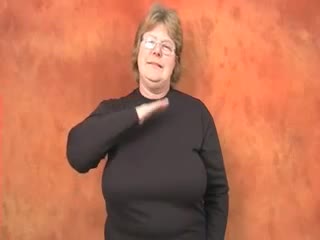
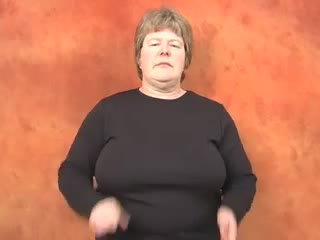
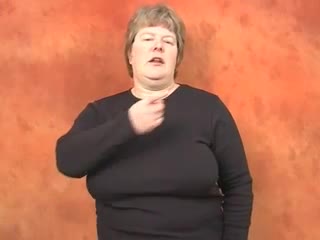
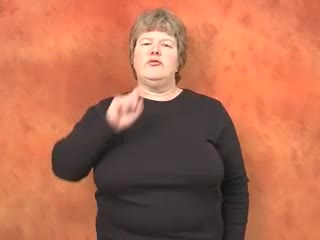
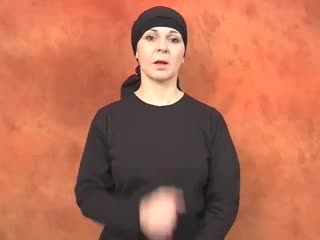
What This Sign Means in BSL
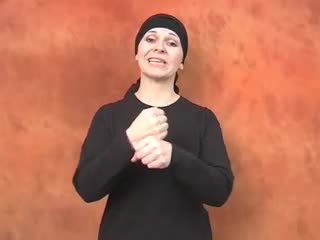
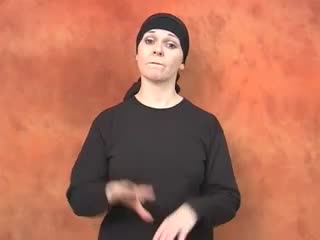
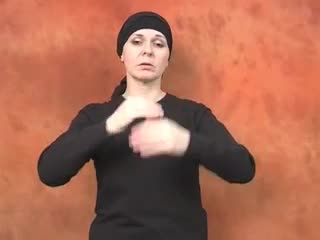
The BSL sign for dense is a vivid and direct way to describe someone who is being slow-witted, unintelligent, or particularly obtuse in a given situation. Imagine someone just isn't "getting it," despite explanations or clear clues. This sign captures that moment of frustration or exasperation when information seems to bounce off their understanding.
It’s important to note that in BSL, this sign almost exclusively refers to a person's mental capacity or their current lack of comprehension, rather than physical density like a dense fog or a dense forest. The action of tapping the temple suggests a blockage or a lack of activity where thoughts should be processing quickly.
While often used in a somewhat light-hearted or teasing manner among friends, especially when someone misses an obvious joke or instruction, it can also carry a sharper edge depending on your facial expression and the context. Like many signs that comment on intelligence, sensitivity and awareness of your audience are key.
When This Sign Feels Natural
You'll find this sign feels most natural in informal, conversational settings. Picture yourself chatting with friends, perhaps recounting a humorous story about someone's latest blunder, or expressing a mild frustration when a plan isn't quite clicking for another person. It’s perfect for those everyday moments when you might verbally exclaim, "Oh, come on, you're being so dense!"
Consider your audience carefully. Among close friends or family, a playful tap on the temple with a smile can be an endearing jab. However, in more formal environments, or when speaking about someone you don't know well, using the BSL sign for dense could be perceived as rude or even insulting. In professional or polite company, you might opt for a more neutral sign like "slow to understand" or describe the situation without directly labelling the person.
It's also a good sign to use when someone misses an obvious social cue or an implicit instruction. For example, if you're trying to signal to a friend that it's time to leave, and they just keep chatting away, you might sign "dense" with an exasperated look to a mutual friend. It’s a sign rooted in social observation and reaction.
What Learners Usually Miss
One of the most common oversights with this sign is neglecting the crucial role of facial expression. Simply performing the handshape and movement without an accompanying facial expression can make the sign feel flat or ambiguous. A slight furrow of the brow, a hint of a smile for teasing, or a look of genuine exasperation are all vital in conveying the specific nuance of "dense" in context. Without it, the sign loses its emotional weight and intent.
Another subtle point often missed is the degree of the "density" you're conveying. The number and intensity of the taps can indicate this. A single, gentle tap might suggest a momentary lapse in understanding, almost a gentle chide. Repeated, more emphatic taps, especially with a stronger facial expression, can convey deeper frustration or a more ingrained lack of quick wit. Don't just tap automatically; let the rhythm and force reflect your feeling.
Finally, learners sometimes confuse this sign with others that might involve touching the head, or they overuse it to describe any form of misunderstanding. Remember, this sign specifically points to a lack of quick intellectual grasp or common sense. If someone is merely confused, or simply processing information slowly for other reasons (e.g., fatigue), other signs like "confused" or "slow" (referring to processing speed) would be more appropriate. "Dense" implies a more fundamental or persistent intellectual block.
A Simple Way to Remember It
Think of the sign "dense" as literally trying to 'knock some sense' into someone's head, or perhaps knocking on a door that isn't opening. The action of tapping your fist against your temple embodies the idea that information isn't getting through, or that the person isn't thinking clearly.
- The Knock: Imagine you're knocking on the "door" of someone's mind, trying to get an idea to enter, but it's not quite opening.
- The Blocked Head: The fist represents a 'closed' or 'blocked' mind, suggesting that thoughts aren't flowing freely or quickly.
- The Temple Location: Tapping the side of the forehead, where we often metaphorically point to our thinking process, reinforces that it's about intelligence or understanding.
Short Practice Situations
- "My friend totally missed the point of the movie's ending; I signed that he was being a bit dense."
- "He couldn't follow the simple instructions for assembling the furniture – I was feeling quite exasperated and signed 'dense'."
- "When she asked me to repeat the obvious answer for the third time, I just gave her a look and signed 'dense' to myself."
- "Don't be dense; the answer is right there in front of you if you just look carefully."
- "They were trying to be subtle with their hints, but I was so dense I didn't pick up on them until much later."
Signs to Learn Next
- SLOW (person/understanding): This sign, often a movement near the temple or wrist, describes someone who is taking a long time to understand or react. It's a milder alternative to "dense" when the lack of speed isn't necessarily due to obtuseness.
- STUPID: A stronger and more direct sign, "stupid" carries a more severe implication about a person's intelligence. Learning it helps you gauge the spectrum of signs related to intellect, knowing when "dense" is appropriate versus a more impactful word.
- CONFUSED: Someone who is "dense" might also appear "confused," but the signs are distinct. "Confused" (hands circling near the head) describes a state of bewilderment, whereas "dense" often implies an underlying inability or slowness to grasp.
- CLEVER/SMART: Understanding the opposite of "dense" helps reinforce its meaning. This sign (often a 'C' or 'S' handshape moving from the head) provides a valuable contrast and expands your vocabulary for describing intellectual abilities.
- UNDERSTAND/GET IT: Knowing how to sign "understand" (fist opening near the head) is crucial, as "dense" often describes the *absence* of understanding. Being able to sign both sides of the concept will make your conversations much clearer.