
Daily focus
Archive Replay
Monday, April 13, 2026
Sign of the Day
refuge
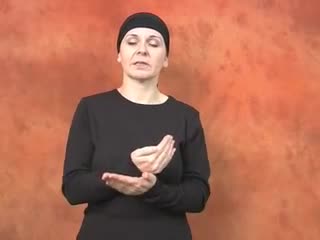
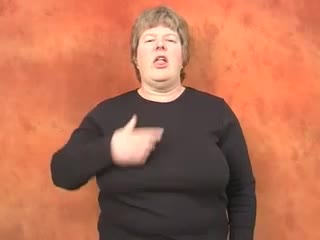
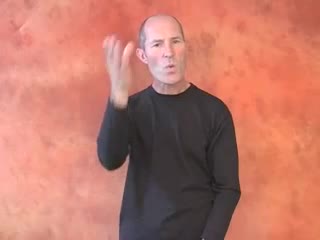
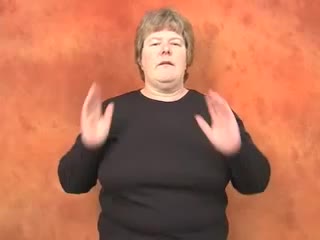
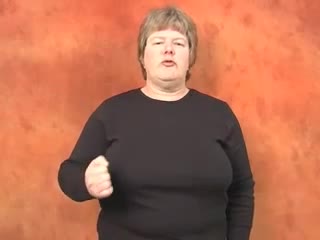
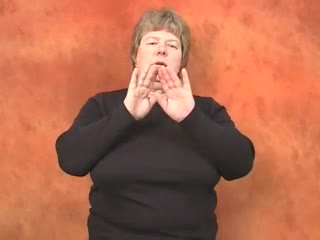
The BSL sign for "refuge" uses two B-hands forming an inverted V or 'roof' shape, often moving downwards, symbolising a protective cover or safe place. It conveys the concept of shelter and safety
B2 Uncommon Noun British Sign Language (BSL) Neutral
Today’s Snapshot
The meta fields are doing real work here
This page turns your sign metadata into a fast, readable fingerprint of how the sign looks, feels, and fits into real conversation.
Both hands form a flat B-handshape (fingers extended, thumb tucked or alongside)
Both hands move downwards and inwards, coming together to form an inverted V shape
Used when discussing places of safety, asylum, or protection from harm
Break It Down
Watch, build, and feel the movement
Use the numbered steps first, then check the sign anatomy cards to clean up the small details that make the sign look fluent instead of approximate.
How to form the sign
- Form B-hands with both hands, palms facing inwards
- Position hands above head or at chest height, fingers pointing up
- Bring hands down and together in an arc, meeting to form a protective 'roof' shape
- Fingers of both hands should meet or nearly meet, creating an inverted V
Coach prompt
Practice forming the two B-hands and bringing them together in a downward arc, focusing on the protective meaning
Signature details
Handshape
Both hands form a flat B-handshape (fingers extended, thumb tucked or alongside) · Code B
Dominant hand
N/A
Symmetry
Symmetric
Contact
Near
Palm orientation
Palms face each other, then turn slightly downwards/inwards
Eyebrows
Neutral
Eye gaze
Forward
Head movement
None
Mouth morpheme
None
Body shift
None
Use It Today
Move from recognition to real-life use
Everything below is designed to make the sign sticky: where it feels natural, what learners miss, and how to use it without sounding robotic.
Many people seek refuge from war
Often synonymous with 'shelter' in BSL. Emphasises safety and being covered
Best fit: Used when discussing places of safety, asylum, or protection from harm
Mirror focus
Practice forming the two B-hands and bringing them together in a downward arc, focusing on the protective meaning
Catch the slip
Ensure both hands are B-hands, palms facing inwards or slightly down, meeting above the head or at chest height to form a clear 'roof' shape. Avoid making it too small or flat
Use it today
Many people seek refuge from war
Common mistakes: Confusing with 'house' or 'home' if the movement isn't clearly protective
When not to use it: Not used for 'refuge' in the sense of waste or rubbish (e.g., 'refuse dump')
Regional note: The core meaning and general movement are widely understood, but minor variations in hand positioning might exist
Cultural note: Highlights the importance of safe spaces, especially in humanitarian contexts
1.[en] They found refuge. / BSL:[Sign REFUGE]
2.[en] Seeking refuge from war. / BSL:[Sign SEEK, REFUGE, WAR]
3.[en] A place of refuge. / BSL:[Sign PLACE, REFUGE]
Connect the Dots
Turn one sign into a small learning cluster
These links use your relationship fields, related vocabulary, and category context so the daily page becomes a launchpad instead of a dead end.
Word web
shelter
asylum
haven
sanctuary
danger
threat
exposure
safety
protection
security
escape
Shelter
Safety
Asylum
Protection
Haven
The sign for REFUGE uses two B-hands forming an inverted V (a 'roof' shape) often moving downwards to signify protection. It is very similar, often identical, to the sign for SHELTER, conveying a safe place. It differs from HOUSE, which uses B-hands to outline a house shape, focusing on the structure. It also differs from SAFE, which is typically a dominant S-hand tapping the non-dominant S-hand, focusing on the state of being secure rather than the physical place
Safety
protection
asylum
sanctuary
safe
shelter
haven
safety
Come Back Tomorrow
Build a rhythm around one sign a day
The archive rail lets people revisit recent daily picks, while the teaser card gives a reason to return instead of drifting away after one lesson.
Video credit: The demonstration video on this page is credited to SpreadTheSign. The video remains the property of the original rightholder.
All written explanations, learning notes, examples, comparisons, and page design on this page are SignDeaf educational material.