
Daily focus
Archive Replay
Thursday, July 24, 2025
Sign of the Day
sleep
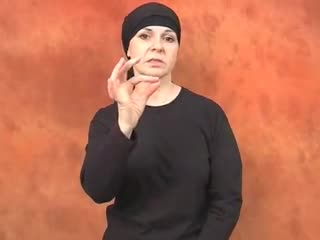
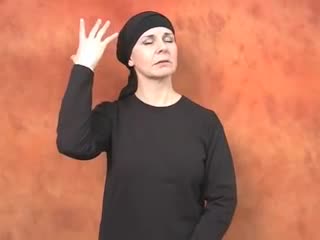
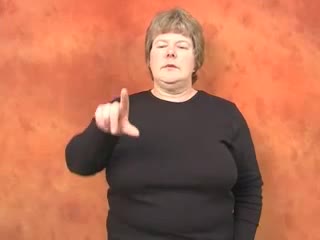
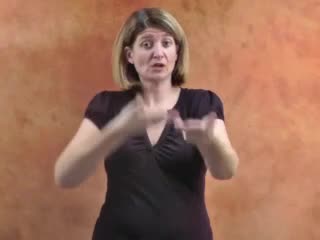
The BSL sign for 'sleep' uses a relaxed B-hand by the dominant eye, moving downwards as fingers close
A1 Very Common Verb British Sign Language (BSL) Neutral
Today’s Snapshot
The meta fields are doing real work here
This page turns your sign metadata into a fast, readable fingerprint of how the sign looks, feels, and fits into real conversation.
Dominant hand forms a relaxed B-hand, fingers slightly curved
Hand moves downwards, fingers simultaneously close towards the palm
Discussing rest, tiredness, or bedtime
Break It Down
Watch, build, and feel the movement
Use the numbered steps first, then check the sign anatomy cards to clean up the small details that make the sign look fluent instead of approximate.
How to form the sign
- Form a relaxed B-hand, fingers slightly curved
- Place hand near dominant eye, palm slightly inwards
- Move hand downwards across face
- Simultaneously close fingers towards palm
Coach prompt
Practice the handshape transition smoothly
Signature details
Handshape
Dominant hand forms a relaxed B-hand, fingers slightly curved · Code B-relaxed
Dominant hand
Either
Symmetry
Asymmetric
Contact
Brush
Palm orientation
Inward/down
Eyebrows
Neutral
Eye gaze
Forward
Head movement
None
Mouth morpheme
Relaxed lips, soft breath
Body shift
None
Use It Today
Move from recognition to real-life use
Everything below is designed to make the sign sticky: where it feels natural, what learners miss, and how to use it without sounding robotic.
I am tired, I want to sleep
Often accompanied by closed eyes non-manual feature
Best fit: Discussing rest, tiredness, or bedtime
Mirror focus
Practice the handshape transition smoothly
Catch the slip
Ensure fingers close fully downwards
Use it today
I am tired, I want to sleep
Common mistakes: Incorrect handshape, unclear downward movement
When not to use it: When referring to 'lying down' without sleep implication
Regional note: Minor variations in hand position or movement arc
Cultural note: Essential for communicating basic human needs
1.I'm tired, I want to sleep. / BSL: Sign SLEEP with tired facial expression.
2.Did you sleep well? / BSL: Sign SLEEP, then WELL, with question NMS.
3.The baby is sleeping. / BSL: Sign BABY, then SLEEP, slowly
When would a learner use the BSL sign for sleep?
To express tiredness, to say goodnight, or to talk about resting. It's used in daily conversations about health, well-being, and routine activities.
What do beginners often get wrong when signing sleep in BSL?
Beginners might use an incorrect handshape (too flat or too cupped), or not execute the simultaneous finger closing and downward movement smoothly. The non-manual feature of closing eyes is also often missed.
Does the BSL sign for sleep change by region or context?
While the core sign is widely understood, minor regional variations might occur in the exact starting position near the eye or the arc of the downward movement. The general handshape and action remain consistent across the UK.
Is the BSL sign for sleep suitable for beginners or children?
Yes, it is a very common and straightforward sign, making it ideal for beginners and children. Its iconic nature (mimicking closing eyes) helps with memorisation and early language acquisition.
Which sign is most often confused with sleep in BSL?
Learners sometimes confuse 'sleep' with 'dream' (which involves a similar handshape but a more circular movement away from the head) or 'tired' (which uses bent B-hands brushing down the chest). The specific location and downward closing movement of 'sleep' are key differentiators.
Connect the Dots
Turn one sign into a small learning cluster
These links use your relationship fields, related vocabulary, and category context so the daily page becomes a launchpad instead of a dead end.
Word web
Nap
snooze
rest
Wake
awake
Tired
bed
dream
night
Tired
Bed
Dream
Wake
Night
SLEEP (relaxed B-hand, downward brush near eye, fingers close) vs. TIRED (bent B-hands, brush down chest) vs. DREAM (relaxed B-hand, circular movement from temple away from head). SLEEP focuses on the act of sleeping. TIRED describes the state of being fatigued. DREAM refers to images or thoughts during sleep, with a distinct movement away from the head
Daily routine
health
rest
Sleep
tired
nap
bedtime
daily routine
Come Back Tomorrow
Build a rhythm around one sign a day
The archive rail lets people revisit recent daily picks, while the teaser card gives a reason to return instead of drifting away after one lesson.
Video credit: The demonstration video on this page is credited to SpreadTheSign. The video remains the property of the original rightholder.
All written explanations, learning notes, examples, comparisons, and page design on this page are SignDeaf educational material.