
Daily focus
Archive Replay
Friday, April 25, 2025
Sign of the Day
solve
The BSL sign for 'solve' conveys the act of figuring out a problem. It visually represents an idea forming and clarifying in the mind
B1 Common Verb British Sign Language (BSL) Neutral
Today’s Snapshot
The meta fields are doing real work here
This page turns your sign metadata into a fast, readable fingerprint of how the sign looks, feels, and fits into real conversation.
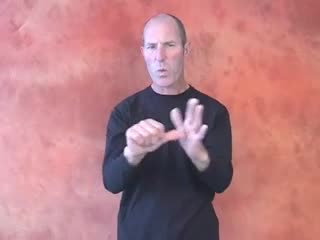
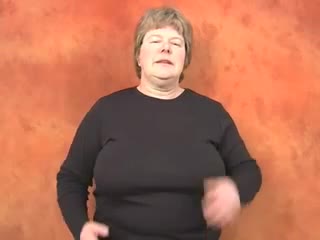
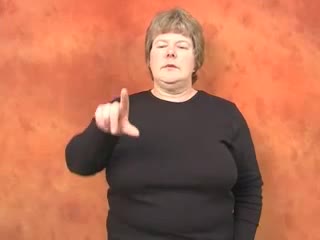
Hand starts as flattened B, fingers slightly bent, then opens to 5-hand
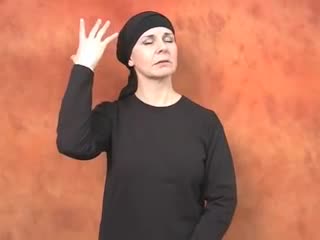
Flat hand at temple opens as it moves forward and slightly down
Discussing problems, finding answers, understanding concepts
Break It Down
Watch, build, and feel the movement
Use the numbered steps first, then check the sign anatomy cards to clean up the small details that make the sign look fluent instead of approximate.
How to form the sign
- Form flattened B-hand, fingers slightly bent
- Place palm near temple
- Open hand to 5-hand
- Move hand forward and slightly down
Coach prompt
Practice the handshape transition and forward movement with a thoughtful face
Signature details
Handshape
Hand starts as flattened B, fingers slightly bent, then opens to 5-hand · Code B>5-hand
Dominant hand
Either
Symmetry
N/A
Contact
Near
Palm orientation
Palm inward/sideways at start, then forward/down
Eyebrows
Furrowed
Eye gaze
Forward
Head movement
None
Mouth morpheme
Pondering expression
Body shift
None
Use It Today
Move from recognition to real-life use
Everything below is designed to make the sign sticky: where it feels natural, what learners miss, and how to use it without sounding robotic.
I need to solve this complex puzzle
Often accompanied by a thoughtful facial expression
Best fit: Discussing problems, finding answers, understanding concepts
Mirror focus
Practice the handshape transition and forward movement with a thoughtful face
Catch the slip
Ensure your hand starts flattened and opens fully, moving forward from the temple
Use it today
I need to solve this complex puzzle
Common mistakes: Incorrect starting handshape; not fully opening to 5-hand
When not to use it: For merely 'finding' something, or emotional resolution without cognitive effort
Regional note: None
Cultural note: None
1.[en] Can you solve this? / BSL:[YOU SOLVE THIS?]
2.[en] I solved the puzzle. / BSL:[I PUZZLE SOLVE FINISH.]
3.[en] We need to solve the issue. / BSL:[WE NEED ISSUE SOLVE.]
Connect the Dots
Turn one sign into a small learning cluster
These links use your relationship fields, related vocabulary, and category context so the daily page becomes a launchpad instead of a dead end.
Word web
Resolve
figure out
decipher
work out
Create
complicate
confuse
Problem
answer
solution
understand
Problem
Solution
Understand
Figure Out
Think
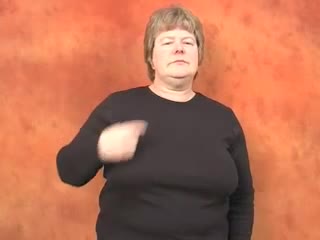
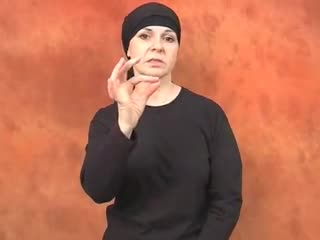
SOLVE (flattened B > 5-hand, temple forward) implies finding a solution through mental effort. UNDERSTAND (G-hand to S-hand, temple) is a more sudden 'click' of comprehension. THINK (index finger to temple, sometimes circular) is the general act of thought, not necessarily finding a solution. Focus on the distinct handshape changes and movement paths
Problem-solving
understanding
explanation
Solve
problem
answer
figure out
understand
problem-solving
Come Back Tomorrow
Build a rhythm around one sign a day
The archive rail lets people revisit recent daily picks, while the teaser card gives a reason to return instead of drifting away after one lesson.
Video credit: The demonstration video on this page is credited to SpreadTheSign. The video remains the property of the original rightholder.
All written explanations, learning notes, examples, comparisons, and page design on this page are SignDeaf educational material.