What This Sign Means in BSL
The BSL sign for have is one of those foundational signs that unlocks a huge range of conversational possibilities. At its heart, this sign means to possess, to own, or to have something in your keeping. Think of it as conveying the concept of ownership or existence of an item, a quality, or even an abstract idea. It's a direct and clear way to state that something is with you or belongs to you, whether physically or conceptually.
Crucially, this BSL sign primarily functions as a verb of possession. Unlike English, where "have" can also be an auxiliary verb (as in "I have eaten"), in BSL, you wouldn’t typically use this sign in that grammatical role. Instead, BSL relies on context, time markers, and the structure of the sentence to convey past perfect tenses. So, when you see or use the sign for have, remember it’s about holding, possessing, or having a characteristic, not about forming complex verb tenses.
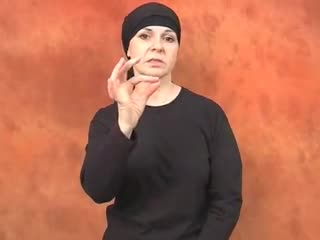
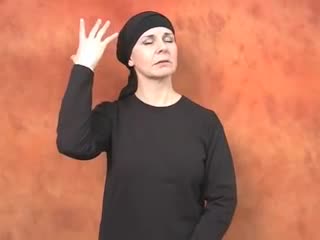
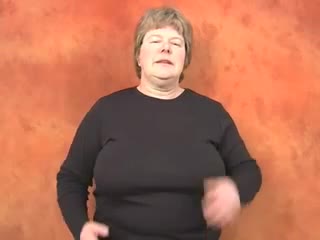
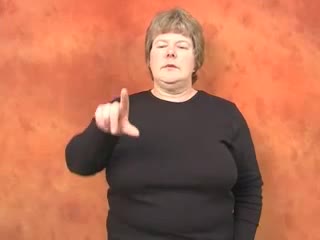
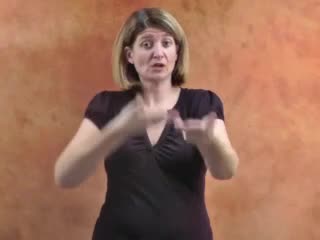
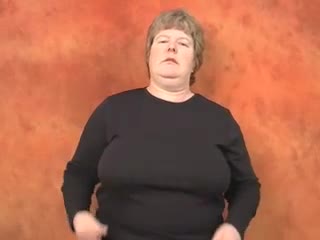
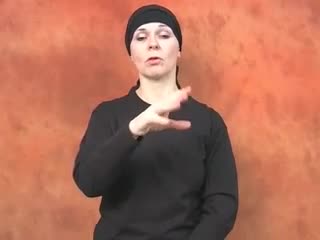
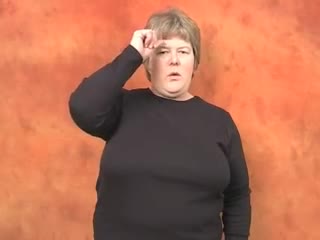
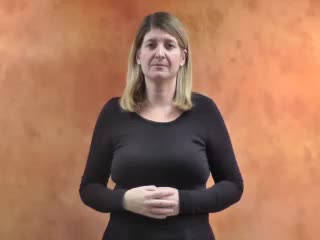
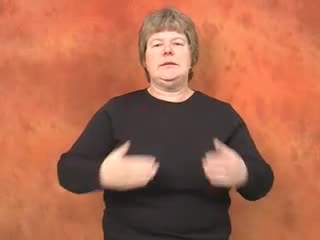
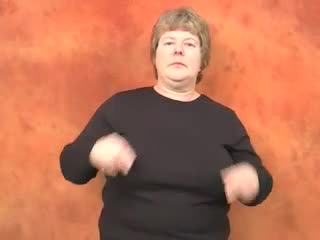
The sign itself, with a flat hand moving forward and slightly down from the chest, beautifully illustrates this concept. It’s like presenting something you hold, making a clear statement of its presence or your ownership. This makes it a very versatile sign for everything from tangible items like a book or a car, to less tangible things such as ideas, problems, or even a good day. Understanding this core meaning is your first step to using it effectively.
When This Sign Feels Natural
You’ll find the BSL sign for have feels most natural in everyday conversations about possession and existence. For instance, if you’re asking a friend, "Do you have a pen?" or stating, "I have a new car," this is the sign you'll reach for. It’s perfect for describing what people own, what’s available, or what qualities someone might possess. It sits comfortably in both casual chats and more formal discussions where ownership or availability is key.
It also works wonderfully when you're discussing attributes or characteristics. You can use it to say someone "has blue eyes," "has a lot of patience," or "has a good sense of humour." In these contexts, the sign helps to attribute a quality or feature to a person or thing, making your descriptions richer and more precise. It's about acknowledging the presence of these traits as if they are 'possessed' by the subject.
However, it’s worth noting that while "have" is versatile, sometimes other signs might feel more natural depending on the nuance. For example, if you're talking about needing something, the sign for NEED would be more appropriate. If you're expressing desire, WANT is the way to go. The key is to use "have" when the focus is truly on possession, existence, or an inherent characteristic, ensuring your communication is clear and authentic.
What Learners Usually Miss
One of the most common pitfalls for new learners is overusing the BSL sign for have as an auxiliary verb, mimicking English grammar. You might mistakenly try to sign "I have eaten" directly, which doesn't translate effectively in BSL. Remember, BSL conveys past actions differently, often through time markers (like YESTERDAY or FINISHED) and contextual clues. Focus on the core meaning of possession or existence, and resist the urge to use it as a direct substitute for every instance of "have" you encounter in spoken English.
Another subtle but important detail often missed is the precise handshape. The BSL sign for have requires a flat hand, with fingers together and extended, and the thumb held alongside. Learners sometimes relax their fingers, cup their hand slightly, or let their thumb drift, which can alter the clarity or even change the meaning to another sign. Practise maintaining that firm, flat handshape throughout the movement. Precision in handshape ensures your message is unambiguous and easily understood by other BSL users.
Finally, pay attention to the movement's direction and emphasis. The sign moves forward and slightly down from the chest/shoulder. It’s not just a flick of the wrist; it's a deliberate, almost presenting motion. Some learners make the movement too small or too aggressive. The ideal is a confident, clear movement that conveys a sense of presenting or acknowledging possession. Your facial expression should generally be neutral or slightly affirmative, reinforcing the straightforward statement of having something.
A Simple Way to Remember It
To help you remember the BSL sign for have, picture yourself physically presenting something you possess. The movement is like you're showing off or confirming the existence of something that is yours.
- The Presenting Hand: Imagine your flat hand is holding an invisible item, and you're extending it forward to show someone, saying "Look, I have this!"
- Solid Ownership: The firm, flat handshape symbolises the solid, undeniable fact that you have something, whether it’s a physical object or an idea. It's a statement of fact.
- From Me to You: The movement from your chest/shoulder outwards feels like you're bringing something from your personal space into shared view, confirming its existence or your ownership.
Short Practice Situations
- "I have a new phone." (Sign 'I', then 'NEW', then 'PHONE', then 'HAVE'.)
- "Do you have any questions for me?" (Sign 'YOU', then 'QUESTION' (plural if many), then 'HAVE', with a questioning facial expression.)
- "We have plenty of time before the meeting." (Sign 'WE', then 'TIME' (emphasise 'plenty' with expression/repetition), then 'BEFORE', then 'MEETING', then 'HAVE'.)
- "She has a lot of energy today." (Sign 'SHE', then 'ENERGY', then 'HAVE', perhaps with an enthusiastic facial expression.)
- "They have a beautiful garden at their house." (Sign 'THEY', then 'HOUSE', then 'GARDEN', then 'BEAUTIFUL', then 'HAVE'.)
Signs to Learn Next
- NEED: Often, if you have something, you might not need it, or if you don't have it, you need it. These concepts are closely linked in daily communication.
- WANT: Similar to NEED, this sign expresses a desire for something you may or may not currently have. Understanding the difference helps express subtle nuances in your intentions.
- NONE / NOT HAVE: This is the direct negation of 'have'. Learning this helps you express the absence of something, completing your ability to discuss possession or lack thereof.
- GIVE: The act of giving something means you no longer have it, and someone else now does. Understanding this transfer of possession complements your use of 'have'.
- RECEIVE: When you receive something, you now have it. This sign is the counterpart to GIVE and directly leads to a state of having.