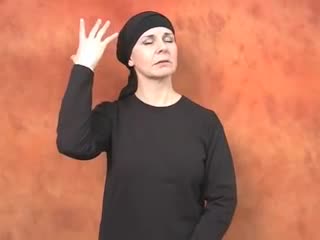
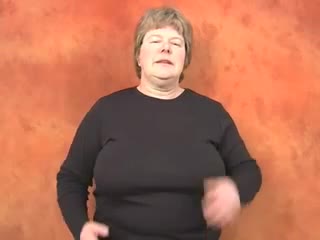
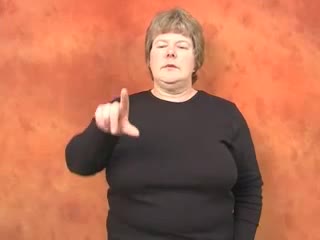
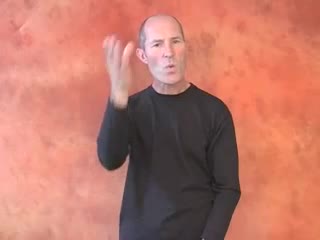
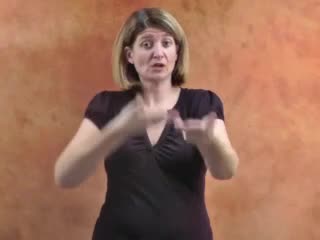
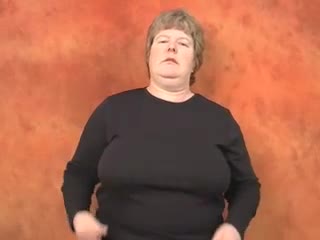
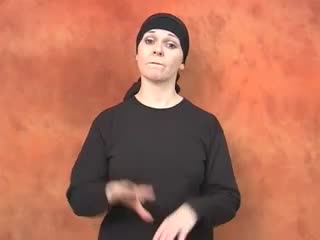
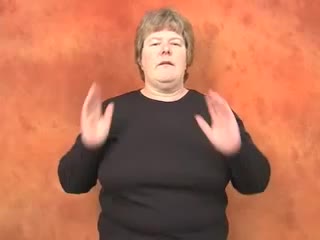
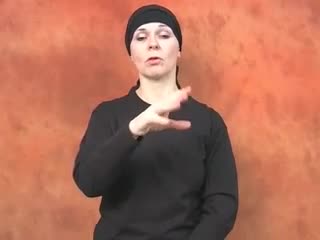
1.[en] Are you coming? / BSL:[Yes] | 2.[en] Is that correct? / BSL:[Yes] | 3.[en] Do you understand? / BSL:[Yes]
1.[en] Are you coming? / BSL:[Yes] | 2.[en] Is that correct? / BSL:[Yes] | 3.[en] Do you understand? / BSL:[Yes]
Create a free account to keep your watch history and review plan.
An affirmative response or agreement
Save this sign
Build your personal BSL dictionary - free account lets you save signs, track progress, and earn XP.
Create free account Already have an account? Log in →Create a free account to save this sign, keep your watch history, and write unlimited journal notes - everything on SignDeaf is free.
How well do you know this sign?
Keep your streak going
Create a free account for unlimited reviews and to save your progress. Everything on SignDeaf is free.
Create free account Already have an account? Log in →Write memory tricks, usage examples, and cultural reminders beside each sign. Create a free account to keep unlimited notes on every sign - completely free.
Create free account Already have an account? Log inThe BSL sign for Yes is one of the most fundamental and universally understood affirmations you’ll learn. It’s direct, clear, and serves as a cornerstone for countless conversations. When someone asks you a question requiring a simple confirmation, this is your go-to response. It tells your signing partner, unequivocally, that you agree, accept, or confirm what they’ve said or asked.
This sign carries a neutral to positive tone by default, much like a simple nod of the head in spoken English. However, its emotional weight can be profoundly altered by your facial expression and body language. A bright, open face will convey enthusiastic agreement, while a more subdued expression might indicate a reluctant or resigned acceptance. Understanding this flexibility is key to using "Yes" effectively in real-world interactions.
It’s a sign that builds bridges, allowing you to move conversations forward, express consent, or simply acknowledge understanding. Mastering its precise movement and integrating it with natural facial expressions will significantly enhance your ability to participate in fluid BSL dialogue, making your communication both clear and authentically human.
You’ll find yourself using the BSL sign for Yes in a vast array of everyday interactions. It feels perfectly natural when you’re agreeing to a suggestion, confirming a piece of information, or accepting an offer. For instance, if someone asks, “Are you ready to leave?” or “Did you understand that?” or “Would you like a cup of tea?”, this sign is your immediate, appropriate response. It’s the sign for straightforward consent and affirmation.
The sign is versatile across different registers, from casual chats with friends to more formal discussions. In a professional setting, it maintains its clarity and directness. However, consider the context carefully. While "Yes" confirms, sometimes a more detailed agreement or a specific "I understand" might be more appropriate if the situation calls for nuance beyond a simple confirmation. But for the vast majority of situations requiring a simple positive answer, "Yes" is always a solid choice.
Knowing when to choose "Yes" over other affirming signs often comes down to the directness of the question. If the question is a clear yes/no, this sign fits perfectly. If the question requires agreement with a statement of opinion, for example, signs like AGREE or TRUE might sometimes feel more fitting, depending on the emphasis you want to convey. But don't overthink it initially; "Yes" is broadly applicable and rarely incorrect when responding positively to a direct question.
One common area where learners can subtly miss the mark with the BSL sign for Yes is in the precision of the movement. It’s described as a "short, repeated arc," and that "repeated" part is crucial. New signers sometimes make a single, larger downward movement, or they might make it too stiff. The natural flow involves two or three gentle, small arcs, almost like a subtle, rhythmic nod with your hand. Pay attention to that gentle, almost bouncy rhythm to make your sign feel more natural and less abrupt.
Another frequently overlooked detail is the location and relaxation of the hand. The sign is made "near the chest or shoulder," but often learners might extend their arm too far out or hold it too rigidly. Keep your dominant arm relaxed, with the G-hand shape resting comfortably in that upper chest/shoulder area. It’s not a big, demonstrative sign that needs a lot of space; it’s quite contained and intimate. Practising in front of a mirror can help you find that sweet spot for location and ensure your non-dominant arm isn’t unnecessarily involved or distracting.
Finally, facial expression is paramount. While the sign itself is a positive affirmation, your face tells the deeper story. A neutral or slightly positive expression is typical. However, if you’re signing "Yes" enthusiastically, your eyes might widen slightly, or you might offer a small smile. If you’re agreeing reluctantly, your brow might furrow subtly. Learners sometimes forget to integrate any facial expression, which can make their "Yes" seem flat or unemotional. Remember, in BSL, your face is as much a part of the language as your hands.
Thinking about the BSL sign for Yes as a gentle, repeated confirmation can help solidify it in your memory. Imagine you're giving a small, continuous 'go-ahead' signal with your index finger, confirming something with a quiet but firm resolve.
This BSL sign for "Yes" is a common affirmative response. It uses a G-hand moving downwards in a repeated arc near the chest, often with a head nod
Please confirm: are you happy?
Your handshape for Yes was a B-hand; remember to extend only the index finger
Follow these steps to sign Yes correctly in British Sign Language (BSL):
Tip: Watch the video above while following these steps for best results.
Facial expressions and body language are grammatically essential in British Sign Language (BSL) - not optional!
Use these tiny checks right after watching the video. Fast feedback is what turns recognition into recall.
Pick one so SignDeaf can shape the rest of your session around how this sign actually feels.
One sign gets remembered faster when you attach it to real situations. Try these quick scene prompts.
Use this sign in a short workplace sentence or meeting exchange.
Try signing this while talking about family life or something at home.
Imagine teaching this sign to a classmate or using it in a lesson.
Practise it in a healthcare conversation where clarity matters.
Use it in a travel scenario like asking for help or directions.
1.[en] Are you coming? / BSL:[Yes] | 2.[en] Is that correct? / BSL:[Yes] | 3.[en] Do you understand? / BSL:[Yes]
Answering affirmatively, confirming, agreeing
When expressing disagreement or negation
Neutral
A fundamental sign for basic communication. Often paired with a head nod
Generally consistent across UK. Minor stylistic differences exist
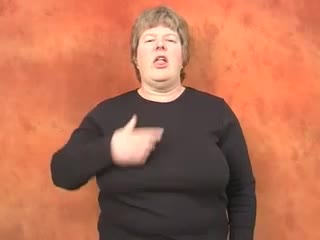
Feeling a need or desire to drink
Compare with thirst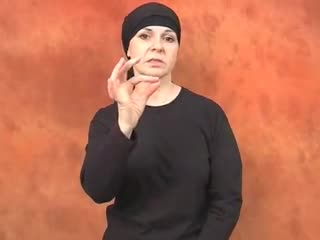
To request information, permission, or clarification
Compare with ask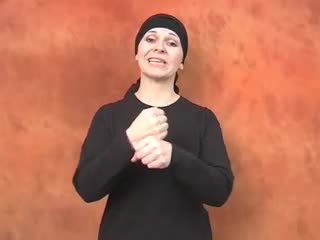
The color between blue and yellow in the spectrum
Compare with greenCan be signed with a single, more emphatic arc for stronger agreement
Keep building your British Sign Language (BSL) vocabulary - explore signs by category or browse the full dictionary.