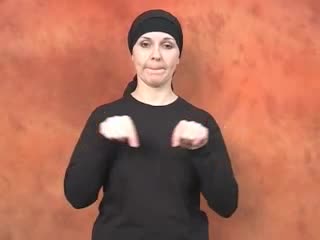
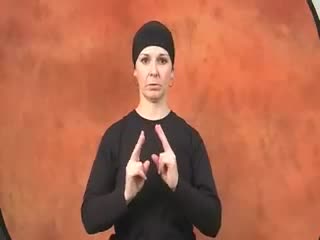
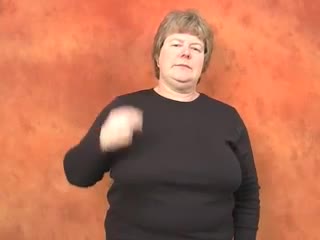
What This Sign Means in BSL
The BSL sign for friend is a foundational and deeply cherished sign that conveys a genuine personal connection. It's more than just a label; it carries warmth and a sense of shared experience. When you use this sign, you're not just identifying someone you know, but someone you have an affinity for, someone you spend time with, and someone whose company you value. It’s one of the first signs many people learn, reflecting its importance in everyday communication about our social circles.
This sign is beautifully versatile, easily applying to a wide range of friendly relationships, from a casual acquaintance you enjoy seeing to a lifelong companion. While BSL offers ways to specify a "best friend" or "close friend" using modifiers or additional signs, the core "friend" sign often does all the heavy lifting, relying on context and your facial expression to convey the depth of the bond. It’s a direct and honest way to acknowledge the people who enrich our lives.
Its placement and movement subtly reflect the intimacy and regular interaction inherent in friendship. It’s a sign that builds bridges, allowing you to introduce loved ones, share stories about your companions, or simply express fondness. Mastering this sign isn't just about the physical action; it's about understanding the feeling of connection it represents in the Deaf community.
When This Sign Feels Natural
You'll find yourself using the BSL sign for friend in countless everyday conversations. It feels most natural when you're introducing someone, perhaps at a social gathering or a community event. Imagine signing, "This is my friend, Alex," with a genuine smile – it immediately establishes a friendly atmosphere and a personal connection. It's also perfect for sharing anecdotes, like "I went to the cinema with a friend last night" or "My friend helped me move house."
This sign shines in informal, relaxed settings among people you know well, or when you're meeting new people and want to express the nature of a relationship. It carries a comfortable, approachable register. While you *could* use it in a more formal setting to identify an associate, its inherent warmth often means it’s reserved for truly friendly relationships. If you’re referring to a colleague or acquaintance where the relationship isn't quite as personal, you might opt for signs like "colleague" or simply describe the role instead, depending on the context.
Consider your audience too. When conversing with other Deaf people, using this sign is a common and seamless part of social interaction. For hearing learners, practicing this sign helps build confidence in expressing personal connections. It’s a sign that inherently encourages rapport, making it a valuable tool for sharing your world and the people in it.
What Learners Usually Miss
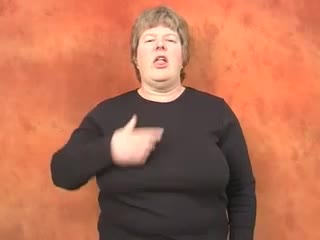
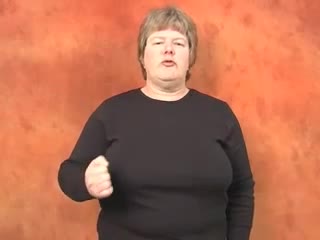
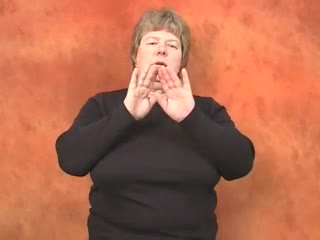
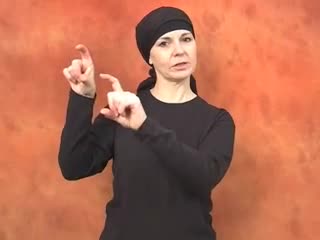
A common pitfall for learners is getting the handshape just right. The BSL sign for friend requires the index finger extended and the thumb also extended, with the other fingers gently curled into the palm. Often, learners might let their thumb curl in with the other fingers, or conversely, splay out all their fingers. Pay close attention to keeping that thumb extended, almost like a subtle 'thumbs up' gesture combined with a pointing index finger. This specific handshape is quite distinctive for this sign.
Another subtle but important detail is the movement: a double tap or brush against the cheek or side of the chin. Many new signers tend to do just a single tap, or sometimes a much heavier, more pronounced tap than necessary. The movement should be light, gentle, and rhythmic – two distinct, soft touches. Think of it as a gentle, familiar gesture, not a firm punctuation mark. This double movement adds a sense of familiarity and repeated connection, which aligns perfectly with the idea of friendship.
Finally, and perhaps most crucially, learners often overlook the power of facial expression with this sign. A neutral face while signing "friend" can make it feel purely descriptive, almost clinical. To truly convey the essence of friendship, a warm, open, and perhaps slightly smiling facial expression is essential. This isn't just an optional extra; it's an integral part of the sign's meaning. Your expression should reflect the affection and positive feeling you associate with the person you're referring to, bringing the sign to life beyond just the hands.
A Simple Way to Remember It
Thinking about the physical form of the sign and relating it to the concept of friendship can really help it stick in your memory. Imagine the subtle interaction and positive feelings involved.
- The Gentle Touch: The double tap on your cheek can be imagined as a gentle, repeated gesture of affection or familiarity, much like the comforting presence of a friend. It’s a soft reminder of their closeness.
- Pointing to Connection: The extended index finger, combined with the thumb, points to yourself or towards the other person in a shared, positive way, symbolising the direct and personal connection you have with a friend. It's about 'you and me' or 'us'.
- Personal Space: The location on the cheek or side of the chin is a very personal area, reflecting the intimacy and trust you share with a friend. It's a sign that enters your personal space, just as true friends do.
Short Practice Situations
- You're at a party, and you want to introduce someone new to a person you know: "Hello, this is my friend, Sarah."
- Someone asks you what you did last weekend, and you want to share a fun memory: "I went for a long walk with a friend, and we had a great chat."
- You’re talking about your support network and want to express gratitude: "I'm so lucky to have such wonderful friends in my life."
- If someone asks about your social plans, you might sign: "I'm meeting a friend for coffee tomorrow morning."
- You want to describe a positive quality about someone close to you: "My friend is incredibly kind and always makes me laugh."
Signs to Learn Next
- Best Friend: This sign often builds on "friend" by adding an emphasis or a secondary sign like "BEST" (often signed by bringing both hands together, forming fists, and tapping them together once or twice). Understanding this helps you specify the depth of a relationship.
- Family: As friends often feel like family, learning this sign expands your ability to talk about your broader personal connections. It uses two 'F' handshapes (index finger and thumb extended, other fingers curled, like "friend" but with both hands) brought together.
- Meet: Friends often meet up! This sign (two 'M' handshapes, or index fingers touching) is essential for arranging plans and discussing social interactions with friends.
- Together: Friends spend time together. This sign (often two 'F' handshapes moving in tandem) naturally follows discussions of friendship, allowing you to describe shared activities and companionship.
- Acquaintance: For contrast, learning "acquaintance" (often signed with 'A' handshapes, index finger to temple and moving forward) helps you distinguish between different levels of social connection, providing nuance to your conversations about people you know.