What This Sign Means in BSL
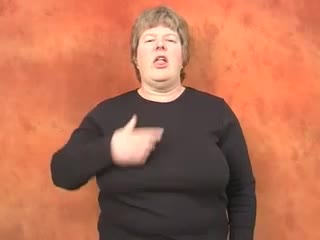
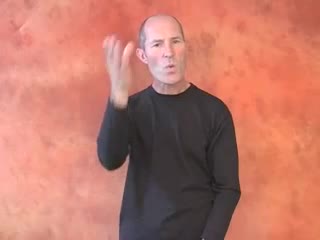
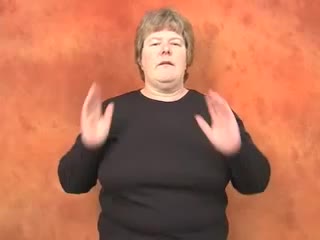
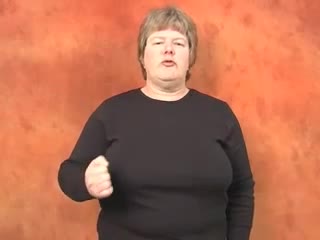
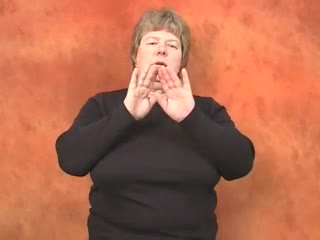
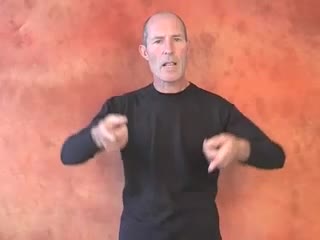
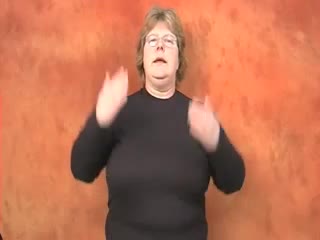
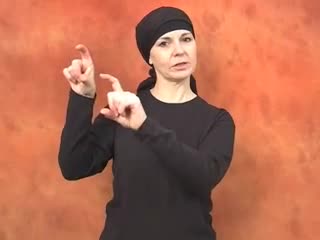
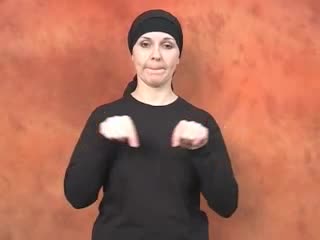
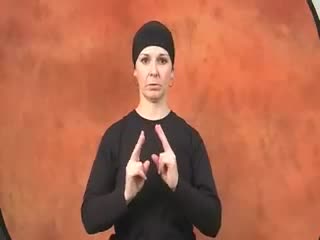
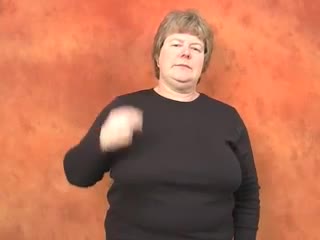
The BSL sign for chalk is a beautifully illustrative one, capturing the very essence of what chalk is and how we use it. At its heart, this sign represents the tangible writing tool itself, whether it's a small stick for a blackboard or a larger piece for pavement art. It's a noun sign, clear and direct, designed to bring to mind the specific object rather than the act of writing in general, which has its own distinct sign.
What makes this sign particularly accessible is its iconic nature. It visually mimics the action of holding a piece of chalk and making small, linear marks. This isn't just about conveying the word; it’s about evoking the physical interaction with the material. When you see or produce this sign, you're not just thinking "chalk," you're almost feeling the texture and imagining the dusty residue, making it a very vivid and memorable sign within BSL.
Its tone is neutral and descriptive, as you'd expect for an everyday object. It doesn't carry inherent emotion, allowing the surrounding signs and your facial expressions to convey any feelings about the chalk – perhaps if it's too soft, too hard, or just the right colour. Understanding this core, illustrative meaning is your first step to using it confidently in conversations about classrooms, art supplies, or even traditional pub games.
When This Sign Feels Natural
This sign feels most natural when you're referring specifically to the physical object: a stick of chalk. Think of situations like "Please pass me the chalk," or "The artist used coloured chalks." It's perfect for specifying the material used for writing or drawing on a blackboard, pavement, or even marking materials in a workshop context. It's the sign you’d choose if you were listing items in a classroom supply cupboard or discussing different art mediums.
You’ll find yourself using this sign frequently in educational settings, talking about school days, or when describing creative activities. For example, if you’re reminiscing about primary school and learning to write on a blackboard, the sign for chalk will fit perfectly. It’s also appropriate in a more informal register when discussing games like hopscotch or snooker where chalk is an essential component. The audience here could be anyone from fellow learners to native BSL users who understand the context of your conversation.
However, it’s important to distinguish it from the general concept of "writing." If you simply mean "to write" or "I wrote a letter," you’d use the BSL sign for writing, which has a different handshape and movement, focusing on the broader action. Similarly, if you’re talking about a whiteboard marker or a pen, there are other specific signs. This sign for chalk is precisely for that specific, often dusty, writing implement, making it a precise and valued part of your BSL vocabulary.
What Learners Usually Miss
One common subtlety learners sometimes miss with the BSL sign for chalk is the precision of the handshape and the small, repeated nature of the movement. While the G-handshape (index finger extended, thumb alongside) might seem straightforward, ensuring the index finger is clearly extended and the thumb is truly alongside, rather than tucked under or splayed, is key. This exact handshape helps to visually represent the narrow, cylindrical form of a piece of chalk, and a slight deviation can make the sign look less natural or even ambiguous.
The movement also requires attention. It's not a large, sweeping motion like general writing. Instead, it's a short, controlled, and repeated linear motion. Imagine the small, precise strokes you'd make when writing a letter or drawing a line with a real piece of chalk. Learners often make the movement too broad, too slow, or only perform it once. The repetition is crucial; it conveys the continuous act of marking with the chalk, bringing the sign to life. Practise making these small, sharp, and consistent movements from your wrist, not your elbow or shoulder, keeping them compact and intentional.
Finally, paying attention to the location is important. Whether you're making the sign on your non-dominant open palm or in a neutral space in front of your body, the key is consistency and clarity. If you're using your palm, make sure it's stable and open, acting as the 'surface' for your chalk. If in neutral space, ensure it's comfortably in front of you, not too high or too low. Drifting in location can make the sign less grounded. Remember, while there's a little flexibility in the exact 'surface,' the handshape and repeated, small linear movement are non-negotiable for clear communication.
A Simple Way to Remember It
To really embed the BSL sign for chalk in your memory, think about the very act of using chalk and how the sign mirrors it. The handshape, movement, and location all work together to paint a clear picture. Visualise yourself actually holding a piece of chalk and writing small, neat lines on a surface. This direct connection between the sign's form and its function is your strongest memory aid.
- The "G" is for Grip: The G-handshape (index finger extended, thumb alongside) can be remembered as how you naturally grip a small stick of chalk, with your index finger leading the mark.
- Repeated Rhythm of Writing: The short, repeated linear motion perfectly mimics the small, consecutive strokes you make when writing or drawing with chalk, leaving a trail of marks.
- Palm as the Page: Using your non-dominant open palm as the location directly represents the surface, like a blackboard or paper, where you would apply the chalk.
Short Practice Situations
- Imagine you're in a classroom and need to write something on the board. Sign: "Please pass the chalk."
- You're talking about a street artist. Sign: "The artist uses beautiful coloured chalks for their drawings."
- Discussing old school memories. Sign: "I remember writing with chalk on the blackboard in primary school."
- Playing a game with friends. Sign: "Do we have any chalk for the hopscotch grid?"
Signs to Learn Next
- WRITE: As "chalk" is a tool for writing, learning the general sign for "write" (often a different handshape making broader strokes on the palm) is a natural progression. It helps differentiate the tool from the action.
- BLACKBOARD: Many people associate chalk with a blackboard. Learning this sign (typically indicating a rectangular surface) will allow you to construct full sentences about classroom activities.
- DRAW: Chalk is also used for drawing. Understanding the sign for "draw" (often involving a C-handshape or similar tracing motion) will broaden your ability to talk about artistic uses of chalk.
- ERASE/RUB-OUT: Once you've written with chalk, you often need to erase it. The sign for "erase" (often a flat hand sweeping across the palm) provides a logical follow-up in a classroom context.
- CLASSROOM: This broader contextual sign (often indicating the space with a C-handshape or similar) helps you place "chalk" within its most common environment, enabling discussions about education.