Speed
0
Practice reps times watched

Create a free account to keep your watch history and review plan.

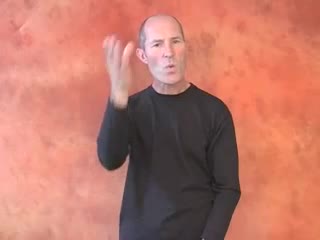
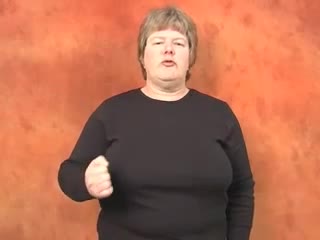
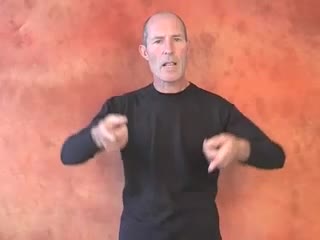
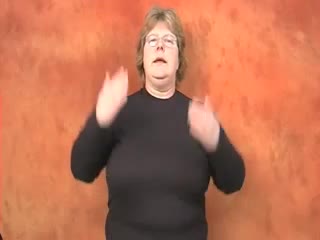
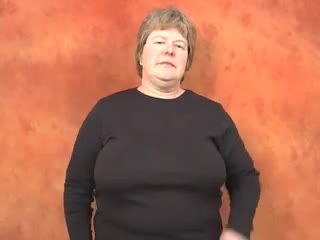
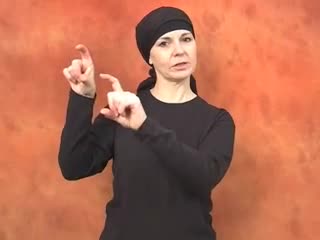
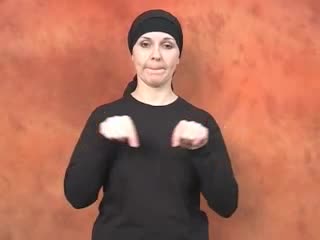
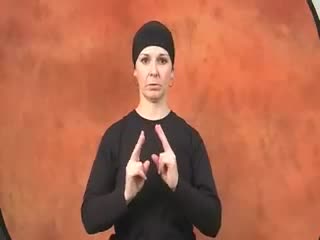
Best practice Use mirror mode, then watch the frame breakdown below to catch the start, movement, and finish cleanly.
Video via SpreadTheSign  - Free educational resource BSL
Updated April 21, 2026
British Sign Language (BSL) 🟢 Beginner 📊 B1 ⚡ Common Noun

structure

The way something is built, organised, or arranged

Source-linked video Step-by-step guide Context and safety notes
Synonyms
arrangement framework organisation design
Antonyms
chaos disarray randomness
Difficulty
Not rated yet

Create a free account to save this sign, keep your watch history, and unlock a one-note journal preview.

How to sign it
Handshape
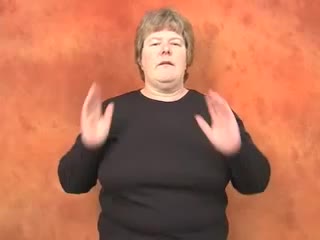
Both hands flat B-hands, fingers together, thumb alongside
Location
In neutral space, in front of the body
Movement
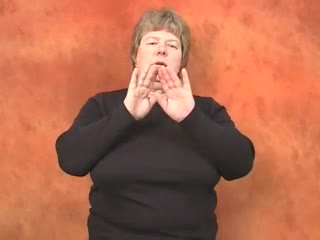
Both hands move upwards in parallel, outlining a form
Palm Orientation
Palms face each other, fingers pointing forward/up
Facial Expression
Neutral facial expression, focused gaze
🔁 Spaced Review Try it free

How well do you know this sign?

STRUCTURE
Your Progress Live
🌱
Level 1 · BSL Beginner +0 XP today
This sign Not learned yet
0 watches
Mastery 0%
Confidence
How well do you know this sign?
0 🔥 Streak
0 Signs seen
0 Learned
0 Watches
📖 Vocabulary health 🔒 Log in to see score
0 Mastered
0 Confident
0 Practicing
0 Just seen

Create a free account to keep your vocabulary score between sessions

7-day activity 0 of 7 active

Register free to sync activity across devices

Watch signs to see your history here

Tracking locally for now. Create a free account to save your progress and sync across devices.
Free gets you started. Paid adds the repeat-learning layer: review queues, deeper notes, compare mode, and better comeback tools.
My Sign Journal
Personal notes, saved to your account forever
Locked

Write memory tricks, usage examples, and cultural reminders beside each sign. Create a free account to unlock your first saved note preview on this page.

Create free account Already have an account? Log in

What This Sign Means in BSL

The BSL sign for structure elegantly conveys the idea of how something is put together, whether it’s a physical object or an abstract concept. With both hands forming flat B-hands, fingers together and thumbs alongside, the upward, parallel movement outlines an imagined form rising in front of you. This isn't just about showing something being built; it's about revealing its inherent design, its fundamental arrangement, and the components that give it shape and integrity.

Think of it as sketching the invisible blueprint or feeling the internal framework of something. The sign naturally implies a sense of order and intentionality. It speaks to the skeleton beneath the surface, the carefully arranged layers, or the organised system that holds everything in place. This makes it incredibly versatile, applicable to everything from architecture to grammar, always focusing on the underlying framework.

It’s a clear, concise sign that immediately communicates the concept of composition and arrangement. The deliberate, controlled movement reinforces the idea that a structure isn't haphazard; it's a considered, often complex, arrangement of parts working together. Noticing this deliberate quality will help you use the sign with appropriate gravitas.

When This Sign Feels Natural

You'll find yourself reaching for this sign in a wide array of real-world situations. It feels completely natural when discussing architectural designs, like "the structure of the new building is very modern." It's also perfect for abstract concepts, such as "we need to review the company's reporting structure" or "understanding the sentence structure is key to good writing." The sign seamlessly bridges the gap between tangible and intangible organisation.

This sign maintains a fairly neutral register, making it suitable for both casual conversations and more formal discussions. You might use it with a friend describing the layout of their new flat, or in a professional setting discussing project management. The key is that you're always referring to the internal arrangement or framework, not just a simple collection of items. If you were just talking about a messy pile, for instance, this wouldn't be the right sign.

Consider your audience and the specific emphasis. If you want to highlight the foundational elements, the underlying plan, or the way different parts interlock to form a whole, this sign is your go-to. It's particularly useful when you're comparing different ways something could be organised or built, prompting your audience to consider the "how" and "why" of its design.

What Learners Usually Miss

Many learners initially miss the precise handshape and the subtlety of the movement. It's crucial that both hands form perfectly flat B-hands, with fingers tightly together and thumbs neatly alongside the palms. Resist the urge to splay your fingers or let your thumbs float; this dilutes the visual clarity and precision of outlining a solid, cohesive form. The hands should be held firm, almost like solid panels moving upwards.

Another common oversight is the "parallel" aspect of the movement. Both hands must move upwards at the same speed, maintaining an even, slight distance from each other, as if tracing the edges of an invisible box or column. Learners sometimes let one hand drift ahead, or allow the hands to diverge too much, which can make the sign look like "building" or "creating" in a less structured way. The controlled, parallel ascent is what truly conveys the idea of a defined structure.

Finally, pay attention to the speed and rhythm. The sign for structure isn't usually rushed. It's a steady, deliberate movement, reflecting the considered nature of how things are put together. A hurried or jerky motion can make the sign less clear. Keep your facial expression neutral or slightly thoughtful, aligning with the analytical nature of understanding a structure. There's no need for exaggerated expressions unless you're specifically commenting on a surprising or problematic structure.

A Simple Way to Remember It

To really embed the sign for structure in your memory, focus on the visual and tactile feeling of outlining something solid and organised. Imagine your hands aren't just moving, but are actually tracing the invisible walls or layers of an emerging form, giving it shape and definition as it rises.

  • Imagine you are outlining the invisible framework of a house or building as it takes shape, layer by layer, from the ground up.
  • Picture your hands feeling the internal supports or the backbone of an organised system, moving upwards to encompass its full extent.
  • Think of your hands as sketching the precise blueprint or diagram of how different components fit together, giving form to an idea.

Short Practice Situations

  • "The structure of the old bridge needs immediate inspection for safety reasons."
  • "I don't understand the new team's reporting structure; who should I talk to?"
  • "Can you explain the grammatical structure of that complex sentence to me?"
  • "Architects spend months perfecting the entire structure before any physical construction begins."
  • "The intricate internal structure of a beehive is a marvel of natural engineering."

Signs to Learn Next

  • BUILD: This sign also involves upward movement with flat hands, often resembling the stacking of elements. Learning it next helps you distinguish between the *act* of building and the *resultant form* or inherent arrangement of "structure."
  • PLAN: Often signed with flat hands moving across space to denote layout. Understanding "plan" helps you see how a structure is first conceived and designed before it's realised.
  • DESIGN: This sign frequently involves more detailed hand movements, often like drawing or shaping. It complements "structure" by focusing on the creative and detailed aspects of a form's conceptualisation.
  • ORGANISE: Typically involves hands moving to arrange or sort items. While "structure" describes the fixed arrangement, "organise" is the action that leads to that order, often for abstract concepts.
  • FRAMEWORK: Very similar in concept and sometimes in execution, "framework" often refers to the essential supporting structure or a basic system. Exploring this sign helps you understand the nuances between a complete structure and its underlying skeletal support.

🤖 AI Learning Guide for "structure"

The BSL sign for "structure" uses both flat B-hands moving upwards in parallel, outlining an abstract form. It represents the internal organisation or framework of something

🎯 Practice Challenge

Focus on maintaining parallel B-hands and smooth upward movement. Ensure handshape is precise

⚠️ Most Common Mistake

If hands are not parallel or B-hand is loose, ensure fingers are together and thumbs alongside

👐 How to Sign "structure" in British Sign Language (BSL) (Quick Answer)

Follow these steps to sign structure correctly in British Sign Language (BSL):

  1. 1 Form flat B-hands, fingers together, thumb alongside
  2. 2 Place hands slightly apart, palms facing each other, at chest height
  3. 3 Move both hands upwards in parallel
  4. 4 Stop at head height, maintaining parallel position

Tip: Watch the video above while following these steps for best results.

🤚 Sign Profile

🤚
Handshape
Both hands flat B-hands, fingers together, thumb alongside
🔣
Handshape Code
B
Dominant Hand
Either
🙌
Hand Count
Two-handed
📍
Location
In neutral space, in front of the body
↗️
Movement
Both hands move upwards in parallel, outlining a form
🔄
Movement Type
Linear
👆
Contact
Air
👋
Palm Orientation
Palms face each other, fingers pointing forward/up
⚖️
Symmetry
Symmetric

😊 Non-Manual Features

Facial expressions and body language are grammatically essential in British Sign Language (BSL) - not optional!

😊
Facial Expression
Neutral facial expression, focused gaze
🙆
Eyebrows
Neutral
👁️
Eye Gaze
Forward
🙂
Head Movement
None
👄
Mouth Morpheme
None
🕴️
Body Shift
None

📖 Grammar & Linguistics

Part of Speech Noun (abstract concept)
Inflection No
Classifier Usage N/A
Role Shift No

🎓 Learning Context

📌 When to Use: Discussing organisation of a company, building framework, essay layout
⚠️ Common Mistake: Not keeping hands parallel, incorrect B-hand shape
🚫 When NOT to Use: When referring to a physical building or construction process itself
Context Tags
Organisation architecture abstract framework system

🧪 Practice Lab

Use these tiny checks right after watching the video. Fast feedback is what turns recognition into recall.

Meaning check

Which word matches the sign you just watched?

Usage check

Where would this sign fit most naturally?

Confidence check

How do you feel about structure right now?

Pick one so SignDeaf can shape the rest of your session around how this sign actually feels.

🧭 Scenario Drill

One sign gets remembered faster when you attach it to real situations. Try these quick scene prompts.

Work

Possible fit

Use this sign in a short workplace sentence or meeting exchange.

Family

Stretch practice

Try signing this while talking about family life or something at home.

School

Stretch practice

Imagine teaching this sign to a classmate or using it in a lesson.

Doctor

Stretch practice

Practise it in a healthcare conversation where clarity matters.

Travel

Stretch practice

Use it in a travel scenario like asking for help or directions.

💬 Example Usage

1.[en] The building has a strong structure. / BSL:[BUILDING STRONG STRUCTURE] | 2.[en] Her essay structure was clear. / BSL:[ESSAY HER STRUCTURE CLEAR] | 3.[en] What is the company's structure? / BSL:[COMPANY ITS STRUCTURE WHAT?]

1.[en] The building has a strong structure. / BSL:[BUILDING STRONG STRUCTURE] | 2.[en] Her essay structure was clear. / BSL:[ESSAY HER STRUCTURE CLEAR] | 3.[en] What is the company's structure? / BSL:[COMPANY ITS STRUCTURE WHAT?]

When to use it

Discussing organisation of a company, building framework, essay layout

When not to use it

When referring to a physical building or construction process itself

Register

Neutral

🌍 Cultural Context

N/A

🗺️ Regional Variations

Minimal to none for this core concept

⚖️ Similar Signs - What's the Difference?

This sign structure
VS
Similar signs Look closely
The sign for "structure" (both flat B-hands outlining upwards) differs from "BUILDING" which typically involves shaping a roof or drawing a box. "ORGANISE" often uses both 'O' or 'F' hands to arrange items, moving them systematically. "SYSTEM" might use 'S' hands or rotating motions, indicating interconnectedness. "Structure" is specifically about the internal framework, not the physical construction or arrangement of individual items

📝 Usage Notes

This sign refers to the abstract arrangement or framework, not a physical building

🏷️ Tags

Handshape

Keywords

💡
Did you know?
BSL is a full, natural language with its own grammar - not just English signed word by word.

📚 Explore More British Sign Language (BSL) Signs

Keep building your British Sign Language (BSL) vocabulary - explore signs by category or browse the full dictionary.