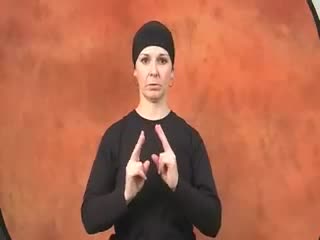
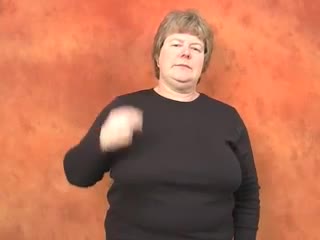
What This Sign Means in BSL
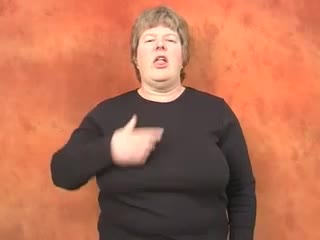
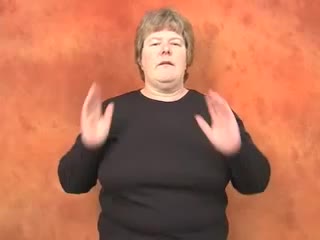
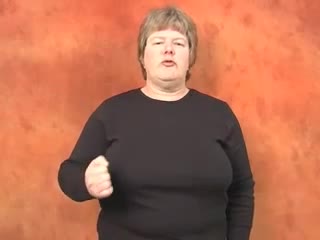
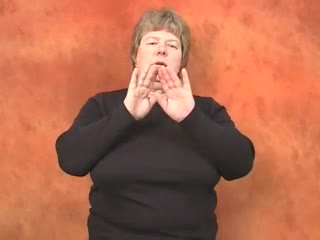
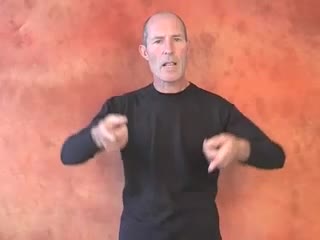
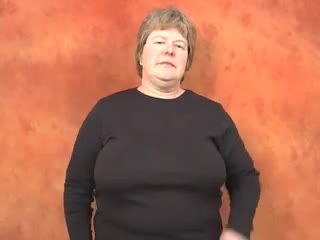
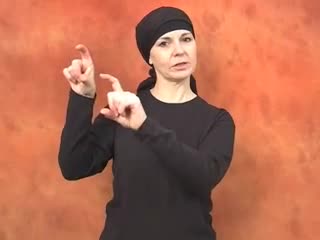
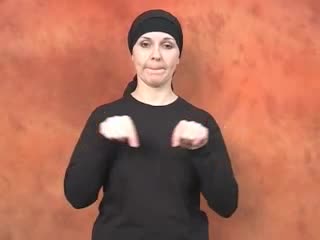
The BSL sign for bookcase is a beautifully iconic representation of the item itself, making it one of those signs that often "clicks" with learners quite quickly. Fundamentally, you're illustrating the vertical structure of a bookcase and its distinct shelves. It captures the essence of a place designed to hold multiple items, stacked one above the other, rather than just a single surface.
At its core, this sign is about depicting form and function. Your hands become the sturdy, flat shelves, moving downwards in unison to sketch out the typical vertical arrangement. It’s less about the individual books and more about the furniture item that houses them. The movement is deliberate, conveying the solid, stable nature of a bookcase, making it instantly recognisable to native signers.
You’ll notice a certain grounded quality to this sign. It doesn’t flutter or rush; instead, it has a steady, almost architectural feel. This reflects the permanence and utility of a bookcase in a home, office, or library. When you use this sign, you're not just naming an object; you're visually describing its structure and purpose in a concise, elegant way.
When This Sign Feels Natural
You'll find yourself reaching for the BSL sign for bookcase whenever you're referring to the piece of furniture itself, rather than just a single shelf or a general storage unit. Imagine you're giving someone directions around your home, saying, "The remote control is on the bookcase next to the TV." Or perhaps you're at a furniture store, discussing options: "I really like that tall bookcase." It's perfect for specifying this particular type of storage.
This sign feels most natural in conversations about home furnishings, interior design, or when discussing libraries and their contents. If you’re talking about organising a room, recommending where someone should store their novels, or even complaining about the lack of space for your ever-growing collection, "bookcase" is your go-to. It carries the specific meaning of a multi-tiered, open (or glass-fronted) unit for books, not a closed cupboard or a single floating shelf.
However, be mindful of when a different sign might be more appropriate. If you're only talking about one specific level, the sign for "shelf" might be better. Similarly, if the unit has doors and isn't primarily for displaying books, you might opt for "cupboard" or "cabinet." The BSL sign for bookcase is tailored for that familiar, stacked structure designed for literature, so use it when that specific visual comes to mind.
What Learners Usually Miss
One common snag learners encounter with the BSL sign for bookcase is the precision of the handshape and its parallel movement. It’s easy for hands to drift apart, curve, or lose their flat, B-hand shape during the downward motion. Remember, both hands should remain actively flat, fingers together, acting like two perfectly aligned shelves or the outer edges of the bookcase. If your hands curve too much, it might start to look like another sign, like a general "container" or even "box." Keep them straight and firm, truly representing solid surfaces.
Another subtle point often missed is the consistent parallelism of the hands. The movement isn't just downwards; it’s a controlled, synchronous descent, often with that slight outward sweep that helps define the width. Some learners might let one hand lead or allow the hands to angle inwards, which can distort the visual representation. Think of your hands as moving down a track, maintaining their relative distance and orientation throughout the sign. This ensures the sign clearly depicts the vertical dimension and multiple levels of a bookcase.
Finally, learners sometimes over-emphasise the "filling" of the bookcase, perhaps by making small wiggling movements with their fingers or adding a secondary action. The sign itself represents the *empty structure*. The concept of it being full of books would typically be conveyed by following up with the sign for "books" and perhaps a quantifier or descriptive sign like "many" or "packed." Focus on clearly signing the bookcase itself, then add additional information to describe its contents or condition.
A Simple Way to Remember It
To easily recall the BSL sign for bookcase, visualise your hands becoming the shelves themselves, stacking downwards to form the furniture. This sign is very visual, so lean into that mental image to make it stick.
- The Stacking Shelves: Imagine your flat hands as multiple shelves, moving down from chest height to waist height, as if you're drawing the individual tiers of a bookcase in the air.
- The Book's Home: Think of the flat hands representing the stable, flat surfaces where books comfortably rest. The downward motion implies the vertical space designed to hold many books.
- Drawing the Outline: Picture yourself outlining the main structure of a simple bookcase – two vertical sides and the horizontal shelves within. Your hands are creating that visual framework.
Short Practice Situations
- I need to buy a new bookcase for all my novels.
- Please can you put these reference books back on the bookcase?
- My living room has a tall, wooden bookcase filled with history books.
- Where is the nearest bookcase in this library section?
- We decided to paint the old bookcase bright blue to match the room.
Signs to Learn Next
- BOOK: Naturally, once you can sign "bookcase," you'll want to talk about what goes inside it! The sign for "book" often precedes or follows "bookcase" in conversation.
- LIBRARY: Bookcases are a staple of libraries. Learning "library" will help you place your "bookcases" in a broader context and discuss places where many books are kept.
- SHELF: While "bookcase" refers to the entire unit, "shelf" is useful for talking about a single level of storage, which is a component of a bookcase.
- FURNITURE: "Bookcase" falls under the general category of "furniture." Knowing this broader sign helps you categorise items within a home or office setting.
- READ: What do people do with books from a bookcase? They read them! This sign connects the object to its primary purpose and human interaction.