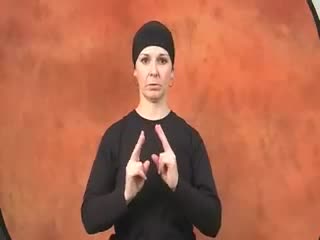
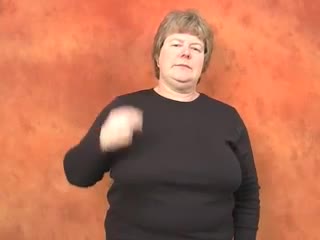
What This Sign Means in BSL
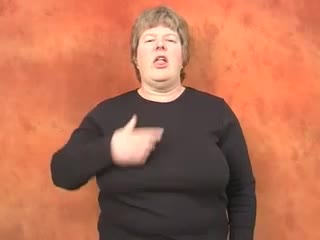
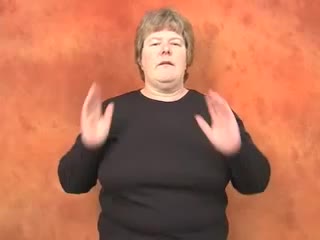
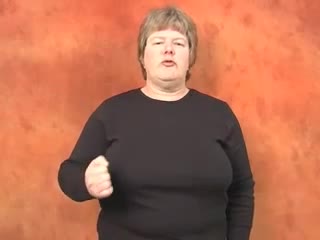
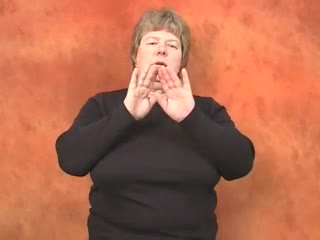
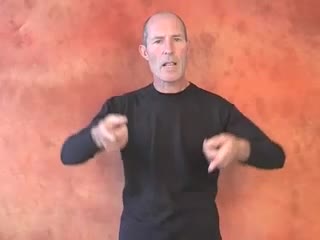
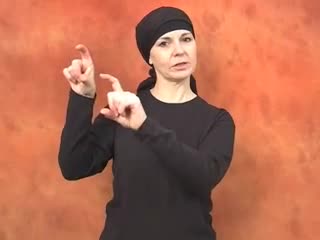
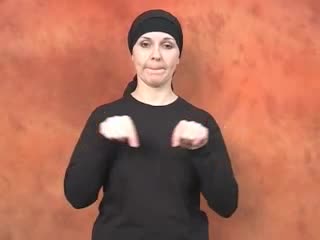
The BSL sign for window is one of those wonderfully intuitive signs that often brings a smile to new learners. It visually represents the act of opening a window, creating a clear and direct connection between the sign and its meaning. At its core, this sign refers to the physical opening in a wall, usually made of glass, that allows light and air into a room.
You’ll notice its clarity and straightforwardness. It isn't metaphorical or abstract; it's a practical sign for a common object. This makes it a foundational sign for discussing spaces, homes, and environments. When you see this sign, you immediately understand the object being referenced, even without prior knowledge, which is a testament to its iconic nature in BSL.
Mastering this sign helps build your vocabulary for describing your surroundings, asking about ventilation, or even simply pointing out something interesting outside. It’s a sign you’ll use frequently in everyday conversation, especially when talking about homes, offices, or other buildings.
When This Sign Feels Natural
This sign feels most natural in everyday, practical conversations. Imagine you're talking about a room needing some fresh air, describing a house you visited, or simply pointing out a bird you saw through the glass. It’s perfect for scenarios where you're discussing the physical features of a building or the actions associated with them, like opening or closing.
The BSL sign for window fits comfortably into a neutral conversational register. You can use it with anyone – friends, family, or strangers – without it feeling too formal or too casual. It’s a standard term, universally understood across the UK Deaf community when referring to the common architectural feature.
While this sign primarily denotes a physical window, it's worth considering when you might choose a different approach. If you're discussing a "window of opportunity," for example, you'd likely use different signs or phrasing to convey that abstract concept, as this sign is rooted in the tangible. Similarly, for very specific types of windows, like a car window, while the core sign is often understood, you might add context or incorporate a classifier to specify.
What Learners Usually Miss
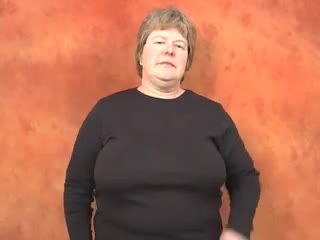
One common area where learners sometimes slightly miss the mark with the BSL sign for window isn't the meaning itself, but the nuance of the movement and handshape. Often, people can be a little too abrupt or too small with the separation. Remember, the movement should be smooth and deliberate, like you're gently pushing open two halves of a window. It's not a quick flick or a tiny separation; it's a confident, controlled outward movement from the centre.
Another subtle point is maintaining the correct handshape throughout. Both hands should remain flat with fingers together and straight, representing the solid panes or frame of the window. Sometimes, learners might let their fingers splay slightly or curve, which can make the sign less clear and potentially confuse it with other signs that involve different hand configurations. Keeping those hands flat and firm is key to precision.
Finally, pay attention to the location and direction. The sign starts with your hands together at mid-chest to shoulder level and separates outwards. Some learners might let their hands drop too low or separate them in an upward or downward motion. The outward separation from the body is essential, mimicking how many traditional windows open, creating that visual of a rectangular space opening up. Practising in front of a mirror can really help you refine the movement and ensure it’s consistently clear.
A Simple Way to Remember It
Imagine your hands aren't just hands, but the two panes or sections of a traditional window, meeting in the middle. When you perform the sign, you’re literally opening that window, letting the fresh air and light in. This visual metaphor directly reflects the sign's form and function.
- The Opening Action: Think of your hands as the two sides of a window frame, moving apart to reveal the outside. This direct visual connection makes the movement easy to recall.
- Flat Handshape: The flat, straight handshape is like the solid, unyielding surface of the glass pane or the sturdy frame of the window. It gives the sign a strong, structural feel.
- Mid-Chest Placement: Picture yourself standing at a window, ready to open it. The sign is performed in that natural "window-opening" zone, making it feel grounded and intuitive to the body.
Short Practice Situations
- It's a bit stuffy in here; could you please open the window for some fresh air?
- I love to sit by the window and watch the rain fall on a quiet afternoon.
- The cat often jumps onto the windowsill to look out the window at the garden.
- We need to clean all the windows before the visitors arrive this weekend.
- From this high apartment, the view out of the window is absolutely spectacular.
Signs to Learn Next
- Door: Like "window," "door" is another essential architectural feature. Learning both helps you describe rooms and buildings comprehensively, often used in similar contexts.
- Open: While the "window" sign incorporates an opening movement, learning the general sign for "open" (especially for objects) helps you talk about other items that can be opened, expanding your action vocabulary.
- Close: Naturally, if you can open something, you'll want to close it! "Close" is the direct opposite action and often pairs with "open" and object signs like "window."
- Room: "Windows" are a fundamental part of a "room." Learning this sign helps you place the "window" in its broader spatial context and describe different areas within a building.
- House/Building: Taking a step back, "windows" are components of a "house" or "building." These broader signs provide the larger context for where you'd typically find a window.