What This Sign Means in BSL
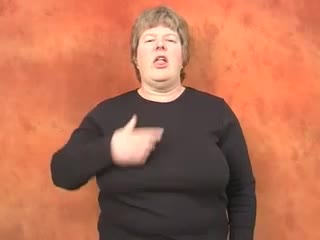
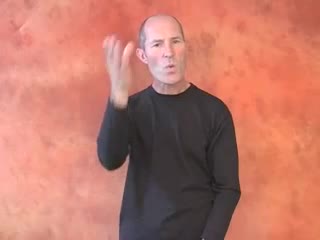
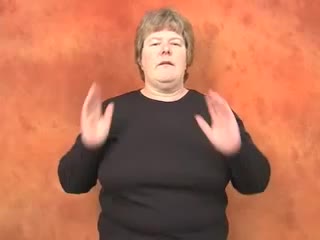
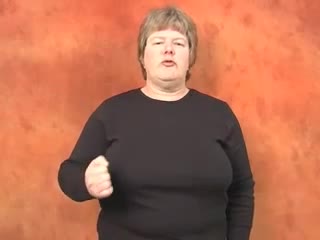
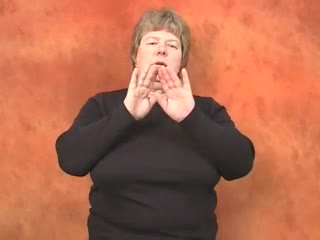
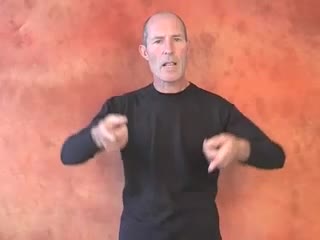
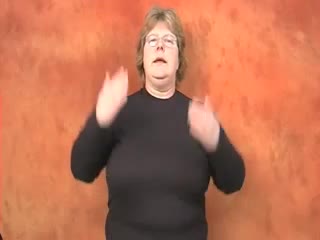
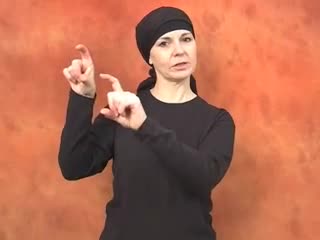
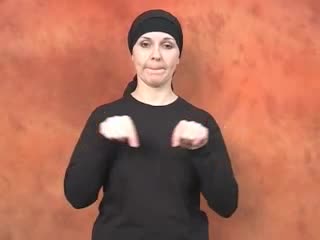
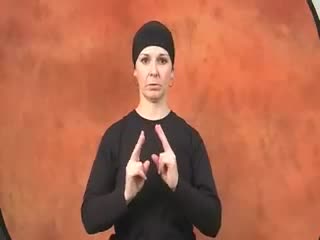
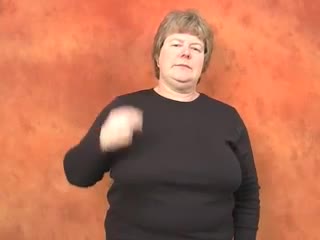
The BSL sign for bucket is wonderfully direct, visually capturing both the object itself and its most common function. When you see someone sign "bucket," you'll notice a dominant hand forming a distinct cupped shape, almost as if you’re holding a small, invisible bucket in your hand. This isn't just a static representation; it brings the bucket to life through movement.
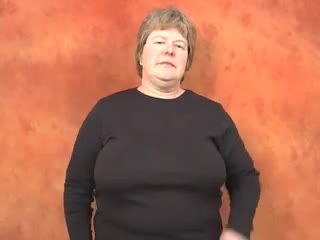
The core of this sign lies in its action: a clear scooping motion followed by a slight lift. This movement isn't abstract; it immediately evokes the act of filling a bucket with something – water, sand, or anything else you might scoop up. It’s a very iconic sign in BSL, meaning it looks a lot like what it represents, which often makes it quite intuitive for new learners to grasp.
What makes this sign particularly effective is how it communicates the utility of the object. It’s not just "a container"; it's a container designed for scooping and holding. This dual emphasis on form and function is a common and fascinating aspect of many BSL signs, allowing for rich, visual communication that goes beyond simply naming an object.
When This Sign Feels Natural
You’ll find yourself using the BSL sign for bucket in a wide range of everyday scenarios where the object itself is physically present or being discussed in a literal context. Imagine you're at the beach with children, describing how they’re happily filling their sand buckets, or perhaps in the garden asking someone to fetch a bucket for collecting weeds. These are perfect, natural contexts.
It’s also the go-to sign when you’re talking about practical tasks like cleaning. If you need a mop bucket, or a bucket of water for washing the car, this sign clearly communicates the item needed. The beauty of its directness means it applies across various types of buckets – from small pails to larger utility buckets – without needing a different sign for each specific kind.
However, it’s important to remember that this sign is very literal. While we might talk about a "bucket list" in spoken English, the BSL sign for bucket isn't typically used in this metaphorical sense. For phrases like "bucket list," BSL users would usually opt for fingerspelling "B-U-C-K-E-T" or, more commonly, sign concepts like "goals," "wishes," or "things to do before I die" to convey the meaning. Stick to the physical object when using this specific sign.
What Learners Usually Miss
New learners often master the basic handshape for "bucket" quickly, but the subtle nuances in movement and form are where most common errors occur. One frequent oversight is not fully committing to the
cupped handshape. Your dominant hand needs to truly form a deep cup, with fingers together or slightly spread, conveying the capacity of a bucket. Sometimes learners flatten their hand too much, making it look more like a tray, or splay their fingers too wide, which loses the container-like quality.
Another common point of confusion lies in the movement. It’s not just a gentle dip; there’s a distinct
scooping action followed by a clear, albeit slight,
lift. This lifting motion is crucial as it indicates the bucket being filled and then raised. Without that upward trajectory, the sign can lose its dynamic quality and might look more like a digging gesture than a bucket being used. Ensure the scoop has some depth, moving from slightly down to slightly up in neutral space.
Finally, pay attention to the
fluidity and
rhythm of the sign. The movement should be smooth and natural, not jerky or hesitant. While facial expression for an inanimate object like a bucket might be neutral, maintaining a relaxed, natural face is still important. Avoid any tension that might distract from the clarity of your handshape and movement. Practise the entire motion as one flowing sequence: cup, scoop, lift.
A Simple Way to Remember It
To easily embed the BSL sign for bucket into your memory, think of it as physically demonstrating the core action of using a bucket. Your hand literally becomes the bucket, and its movement shows what a bucket does.
- Imagine your cupped hand is a small bucket, ready to hold something.
- Visualise scooping sand or water into this "hand-bucket" from the ground or a surface.
- Feel the slight upward motion as if you’re lifting the filled bucket away from the source.
Short Practice Situations
Here are a few quick scenarios to help you practice using the BSL sign for bucket naturally:
- "Can you please grab the bucket from the shed? I need to wash the car."
- "The children were so excited, playing for hours with their sand buckets and spades at the beach."
- "We managed to collect a whole bucket of delicious blackberries from the hedgerow this afternoon."
- "After cleaning, remember to empty the mop bucket and rinse it out properly."
- "I saw a gardener using a small bucket to transport seedlings, which looked very practical."
Signs to Learn Next
Expanding your vocabulary with related signs will help you integrate "bucket" into broader conversations. Here are a few suggestions that connect naturally:
- WATER: Buckets are often used for carrying or holding water. Learning "water" will allow you to describe filling or emptying a bucket.
- SAND: Especially in recreational contexts, buckets and sand go hand-in-hand, particularly when discussing beaches or playtime.
- CLEAN: Many buckets are integral to cleaning tasks, so "clean" is a logical next step to describe using a mop bucket or washing something.
- EMPTY / FULL: These signs are perfect for describing the state of a bucket, whether it needs filling or has just been emptied.
- POUR: Once a bucket is full, you might need to pour its contents. Learning "pour" creates a natural sequence of actions with your "bucket" sign.