What Is the BSL Sign for "climbing iron"?
Picture this: you're scaling a treacherous mountain face, every grip crucial, every step secured. That vital piece of equipment digging into the ice or rock? The British Sign Language climbing iron sign helps you convey that specific tool with precision. This isn't just a word; it’s a concept that evokes skill, danger, and specialised gear within the Deaf community. Learning the BSL sign for climbing iron unlocks a powerful way to discuss outdoor pursuits, technical equipment, and thrilling adventures. It offers a fascinating glimpse into how BSL captures complex objects through visual language.
How to Sign "climbing iron" in British Sign Language - Step-by-Step
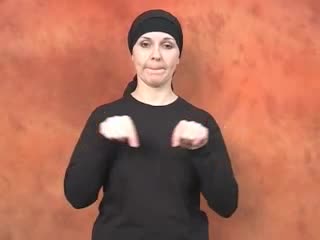
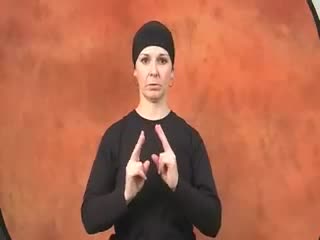
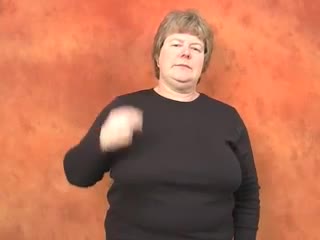
Mastering this sign involves a nuanced combination of handshapes and movements that truly embody the function of this specialised gear.
Step 1: Handshape
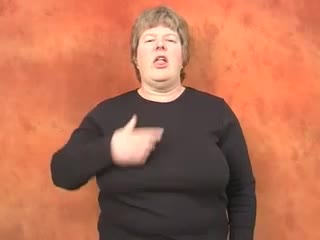
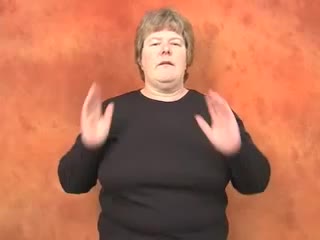
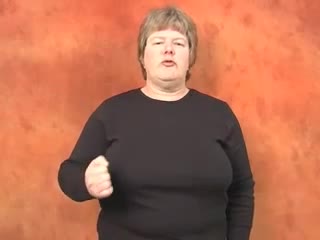
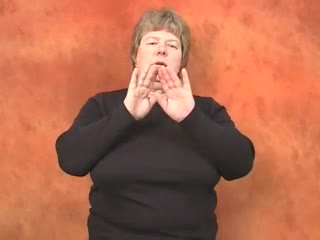
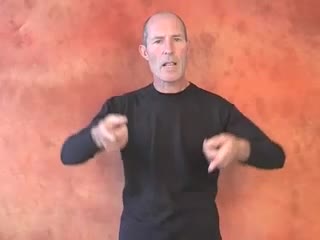
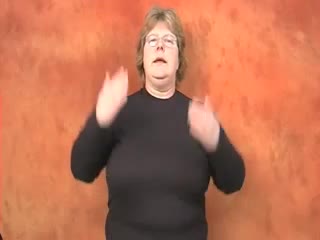
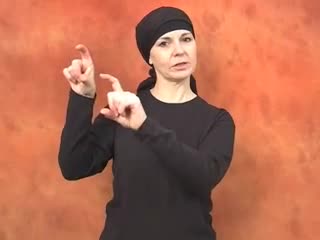
Begin by forming a 'claw five' handshape with your dominant hand; this means your fingers are all bent at the knuckles, with the fingertips facing towards your palm, and your thumb is comfortably tucked in. This initial shape represents the broad, stable base of a foot. Immediately transition your dominant hand into a 'bent V' configuration, where your index and middle fingers extend downwards, bent sharply at the knuckles, while your ring and little fingers remain curled into your palm, and your thumb is tucked against your palm. These two extended, bent fingers will represent the sharp, gripping spikes of the climbing iron.
Step 2: Hand Placement and Location
You'll start by positioning your dominant 'claw five' hand just below your dominant knee, hovering a few inches away, symbolising the location of your foot. As you transition to the 'bent V' handshape, bring your hand directly underneath your non-dominant hand, which remains still, palm flat and facing downwards, representing the solid ground or climbing surface. Your bent V fingers should point towards this imaginary surface, preparing to engage with it.
Step 3: Movement
From the initial position where your 'bent V' hand is poised beneath the non-dominant 'surface' hand, perform a sharp, short downward motion, as if the spikes are digging into the ground. Follow this immediately with a slight, controlled upward lift, indicating release. Repeat this entire "digging-and-lifting" action two times, maintaining a deliberate and forceful quality to the movement. This conveys the secure, repetitive action of a climbing iron.
Step 4: Facial Expression and Mouthing
A focused and determined facial expression typically accompanies this sign, reflecting the concentration required for climbing. You might naturally furrow your brow slightly or purse your lips subtly, showing the effort involved. For mouthing, articulate the word "climbing iron" clearly and silently, ensuring your mouth movements align with the English word. Non-manual features like these are integral to BSL grammar; they add vital semantic information, clarifying the sign's intensity and context, preventing misinterpretation by providing crucial visual cues beyond just the hands.
Step 5: Palm Orientation
Throughout the sign, especially during the "digging" movement, your dominant hand's palm will face downwards, directly towards the imaginary climbing surface represented by your non-dominant hand. This orientation is crucial because it visually reinforces the action of the climbing iron's spikes gripping the ground or rock. Maintaining a consistent downward palm orientation clearly shows the tool's function and its interaction with the environment, which is fundamental to conveying its meaning effectively.
"climbing iron" in BSL - Quick Reference Snapshot
- Handshape: Starts as 'claw five', transitions to 'bent V' (index and middle fingers bent, pointing down).
- Location: Begins near dominant knee, moves under stationary non-dominant hand.
- Movement: Two sharp downward "digging" motions followed by slight lifts.
- Facial Expression: Focused, determined; silent mouthing of "climbing iron".
- Dominant Hand: Uses the dominant hand for the primary action.
- Palm Orientation: Palm consistently faces downwards during the movement.
5 Memorisation Tricks for the BSL Sign "climbing iron"
Learning new signs always feels more natural with a few clever tricks up your sleeve. Here are some specific strategies for remembering the BSL sign for climbing iron.
- Visualise the Spikes: Picture your 'bent V' handshape as the actual spikes on the bottom of a climbing iron, ready to grip. Imagine the two fingers as sharp points, visually digging into a hard surface, which directly links the handshape to the equipment's most distinctive feature.
- Engage Muscle Memory: Practice the short, sharp "digging" motion by actually pressing your bent fingers against a firm surface (like a table) repeatedly. This physical engagement helps your muscles remember the precise force and direction, embedding the movement pattern into your kinesthetic memory.
- Connect to Function: Think about the core purpose of a climbing iron: to provide secure grip for upward movement. The downward-digging action of the sign perfectly mirrors this function, solidifying the connection between the sign's form and its meaning.
- Distinguish from "Climb": Be mindful not to confuse this specific equipment sign with the general sign for "CLIMB," which often involves alternating 'V' handshapes moving upwards. The "climbing iron" sign specifically depicts the *tool's action*, not the act of climbing itself, so focus on the downward spike movement.
- Integrate into a Story: Create a short mental narrative where you're putting on your climbing irons and then using them to ascend an icy slope. Visualising yourself performing the sign within a meaningful context, perhaps with a slight shiver for the cold, makes it more memorable and less abstract.
Real-Life Situations to Use the BSL Sign for "climbing iron"
Understanding how to integrate a new sign into everyday conversation is key to fluency. Here are some practical scenarios where the sign for climbing iron would be incredibly useful.
- When discussing an upcoming mountaineering trip with friends, you might sign "WE NEED NEW CLIMBING IRON" to indicate necessary gear. Here, the sign for "climbing iron" clarifies the specific type of equipment required, often placed before or after the verb depending on BSL's topic-comment structure.
- Imagining a documentary about Everest, you could comment, "WOW, THOSE CLIMBING IRON LOOK STRONG," using the sign to refer to the equipment displayed on screen. The sign often takes on a slightly modified form when used demonstratively, potentially held a moment longer to draw attention to it.
- If someone asks about safety equipment for winter hiking, you might advise, "ALWAYS BRING CLIMBING IRON ON ICE," integrating the sign into a instructional phrase. In a negative sentence, you'd typically sign the negative marker (like "NOT" or a headshake) after the sign for "climbing iron" to negate its presence or necessity.
- Describing an accident where a climber lost their grip, you might explain, "THE CLIMBING IRON SLIPPED," using the sign to pinpoint the cause. This sign could also be accompanied by a classifier showing the falling motion, adding crucial spatial detail to the narrative.
Top 3 Mistakes Learners Make Signing "climbing iron" in BSL
Even experienced signers occasionally trip up, and beginners often face common hurdles. Knowing these typical missteps will help you refine your technique and avoid confusion.
- Incorrect Handshape Transition: A frequent error involves not clearly transitioning from the initial 'claw five' (foot representation) to the 'bent V' (spikes). Learners sometimes start directly with the 'bent V' or use a generic bent handshape. Remember, the 'claw five' sets the context of the foot, making the 'bent V' clearly represent the spikes *attached to a foot*, so practice that smooth, distinct shift between the two shapes.
- Lack of Forceful Movement: Some learners perform the "digging" motion too gently or too quickly, making it look weak or hurried. The effectiveness of a climbing iron comes from its forceful grip. Your movement should be sharp, deliberate, and show a clear "digging in" and "lifting out" action, conveying the strength and precision needed to secure a hold.
- Forgetting Facial Expression and Mouthing: Beginners often focus solely on hand movements and neglect the crucial non-manual features. Signing "climbing iron" without a focused expression or mouthing can make the sign feel incomplete or less clear. Always remember to add the determined facial expression and silent mouthing of "climbing iron" to provide the full linguistic context and ensure your message is understood.
Fascinating Facts About the BSL Sign for "climbing iron"
Every sign carries a story and unique linguistic characteristics. Let's delve into some interesting aspects of the BSL sign for climbing iron.
- The sign for "climbing iron" demonstrates a strong iconic motivation, visually representing the action and structure of the tool rather than being an arbitrary symbol. This direct visual connection makes it highly descriptive and often understandable even to those unfamiliar with the specific sign.
- While a core sign for "climbing iron" exists, regional variations might appear in how specific types of irons are described. For instance, a community focusing on ice climbing might emphasize sharp, downward spikes, while a rock-climbing group might incorporate more of a 'clamp' action.
- This sign effectively utilises BSL's robust classifier system, where the 'bent V' handshape acts as a specific classifier for pointed objects or legs/feet, which is then adapted to represent the spikes of the iron. This exemplifies how BSL builds complex meanings from fundamental visual units.
- The incorporation of movement to depict function is a hallmark of BSL's expressiveness. The repetitive "digging" motion isn't just arbitrary; it's a direct representation of how the tool operates, enhancing clarity and engagement for the viewer.
- Unlike many common signs that might have a direct fingerspelled origin or a clear historical link to a specific past event, the sign for "climbing iron" likely evolved descriptively, reflecting the practical application of the tool itself. Its formation prioritises clarity through action.
"climbing iron" in Deaf Culture - Community and Identity
While "climbing iron" might seem like a niche term, its place within Deaf culture speaks to a broader appreciation for shared experiences and the power of accessible communication. The ability to articulate specific outdoor activities, like mountaineering or technical climbing, ensures that Deaf individuals can fully participate in and discuss these pursuits. When Deaf people share stories of adventure, describing gear like climbing irons allows for a rich, visual narrative that hearing people often take for granted. This sign, like many others for specialised equipment, empowers Deaf individuals to express their passions and expertise without linguistic barriers, fostering a stronger sense of inclusion in diverse hobbies. It reinforces the idea that no topic is off-limits or too complex for clear communication within the Deaf community.
Example Conversations Using "climbing iron" in BSL
Here are five different ways you might naturally use the sign for "climbing iron" in British Sign Language.
English: Do you need to pack your climbing iron for the trip? - BSL structure: YOU PACK CLIMBING IRON TRIP NEED QUESTION
English: My climbing iron broke during the ascent, it was scary! - BSL structure: MY CLIMBING IRON BROKE CLIMB-UP WHILE, FRIGHTENED ME
English: That shop sells very high-quality climbing iron. - BSL structure: THAT SHOP SELL CLIMBING IRON QUALITY HIGH
English: She always checks her climbing iron before starting the climb. - BSL structure: SHE ALWAYS CHECK CLIMBING IRON BEFORE CLIMB START
English: Which climbing iron do you recommend for icy conditions? - BSL structure: ICY CONDITIONS WHICH CLIMBING IRON YOU RECOMMEND QUESTION
Frequently Asked Questions: The BSL Sign for "climbing iron"
Learners often have specific queries as they integrate new signs into their vocabulary. Here are some common questions about the BSL sign for climbing iron.
Are there regional variations for the BSL sign for climbing iron?
While the core concept of a sharp tool for gripping is quite universal, you might encounter slight regional differences in how exactly the handshape or movement is executed. Some areas might have a more pronounced 'claw' before the 'V' or a different rhythm to the "digging" motion, but the overall meaning remains consistent.
Is the BSL sign for climbing iron suitable for beginners?
Absolutely, this sign is quite accessible for beginners because its iconic nature makes it relatively easy to grasp and remember. The clear visual connection between the handshape and movement and the tool's function helps new learners quickly understand and replicate it.
Can children learn the BSL sign for climbing iron easily?
Children can definitely learn this sign, especially if introduced in a fun, contextual way, perhaps through stories about adventurers or mountain climbing. The visual representation of "spikes" and "digging" can be quite engaging for younger learners, helping them connect the sign to its meaning.
How does the BSL sign for climbing iron compare to the equivalent in another sign language?
Other sign languages, such as American Sign Language, often use descriptive classifiers or fingerspelling for niche technical terms like "climbing iron." While the underlying concept is similar, the specific handshapes, movements, and non-manual features would likely differ, reflecting each language's unique grammatical structure and iconic conventions.
Are there any similar BSL signs I should be careful not to confuse with climbing iron?
You'll want to avoid confusing this sign with general signs for "climbing" itself, which usually involves alternating 'V' handshapes moving upwards, or perhaps the sign for "spikes" in a more general sense. The specific combination of the initial 'claw five' (foot) and the 'bent V' (spikes) with the distinct "digging" movement makes "climbing iron" unique.
Signs That Pair Naturally with "climbing iron" in BSL
Building vocabulary effectively means learning signs in clusters that make sense together. Here are some related BSL signs that naturally complement "climbing iron."
- MOUNTAIN: This sign, often a pointed 'A' handshape moving upwards, links directly to the environment where climbing irons are typically used, creating a natural thematic grouping.
- CLIMB: While distinct from "climbing iron," the general sign for "CLIMB" (alternating 'V' handshapes moving upwards) is an essential companion, as the iron is a tool for this action.
- SNOW: The sign for "SNOW" (wiggling fingers downwards) connects because climbing irons are frequently used in icy, snowy conditions, providing environmental context.
- ICE: Often signed with a 'C' handshape moving across the face or a '5' handshape wiggling, "ICE" is another crucial environmental element, directly impacting the need for climbing irons.
- EQUIPMENT: This general sign for "EQUIPMENT" (often two 'A' handshapes tapping together) helps categorise "climbing iron" within a broader set of gear.
- DANGER: The sign for "DANGER" (index finger pointing down, then flicking up) naturally pairs with activities requiring climbing irons, highlighting the inherent risks involved.
Building Fluency: How to Practise "climbing iron" in BSL
Solidifying your grasp of "climbing iron" means incorporating consistent, targeted practice into your BSL learning journey. Start by standing in front of a mirror, carefully observing your handshape transitions, making sure your 'claw five' clearly shifts to the 'bent V' and your fingers point distinctly downwards. Focus on the sharp, precise "digging" motion; aim for consistency in its repetition. Try to integrate the sign into your daily BSL conversations by imagining scenarios where you'd need to discuss outdoor gear or difficult terrain, even if it's just talking to yourself. Film yourself signing "climbing iron" from different angles, then watch it back critically to spot any areas for improvement in handshape, movement, or facial expression. Most importantly, seek out opportunities to use this sign with Deaf conversation partners; they can provide invaluable feedback and context, helping you refine your signing to truly reflect native BSL usage. Remember, consistent, thoughtful practice is your best path to fluency.