What Is the BSL Sign for "plastic"?
Welcome to SignDeaf.com, your premier destination for mastering British Sign Language! Today, we're diving into the essential BSL sign for "plastic" – a versatile adjective crucial for everyday communication about materials, sustainability, and modern life. Whether you're Deaf and looking for a clear reference or a hearing individual eager to connect with the Deaf community, understanding how to sign "plastic" in BSL will significantly enrich your vocabulary and enable more fluid conversations. This sign helps describe everything from a plastic bottle to a credit card, making it an indispensable part of your British Sign Language plastic lexicon.
How to Sign "plastic" in British Sign Language - Step-by-Step Guide
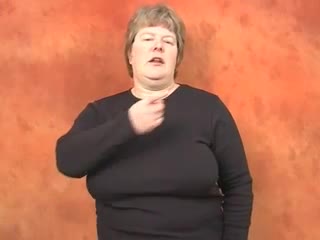
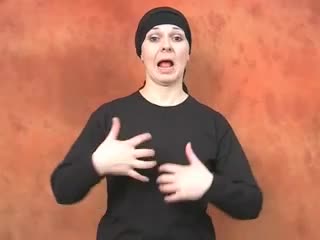
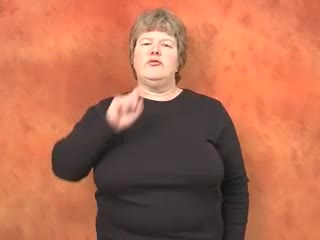
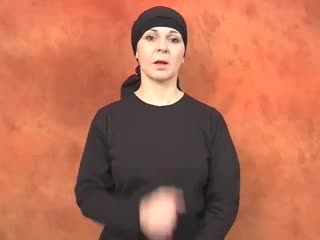
Learning the BSL plastic sign is straightforward when broken down into its core components. Follow these steps to master it with confidence.
Step 1: Handshape
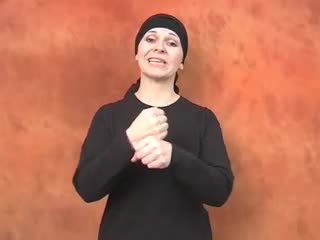
Begin by forming an 'S' handshape with your dominant hand. This means making a fist where your thumb rests over your curled fingers. Alternatively, some signers might use a slightly looser fist, with the fingertips of the thumb and index finger lightly touching, almost like a very relaxed 'P' handshape from the manual alphabet, but the 'S' fist is the most common starting point. Ensure your knuckles are slightly bent, indicating a readiness for movement, and your wrist remains relaxed.
Step 2: Hand Position and Location
Position your dominant hand, in the 'S' handshape, in the neutral signing space directly in front of your chest. The back of your fist should generally face forward or slightly towards your non-dominant side. Your elbow should be relaxed and slightly bent, allowing for comfortable movement without tension. This starting location is key for clarity and visibility when you learn plastic BSL, ensuring the sign is easily seen by your conversation partner.
Step 3: Movement
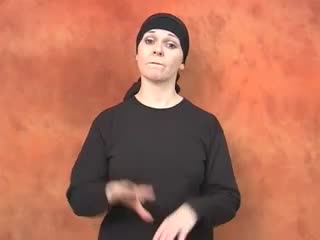
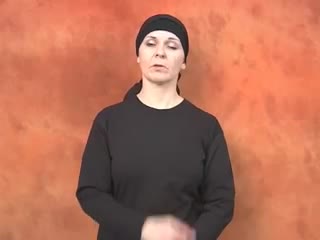
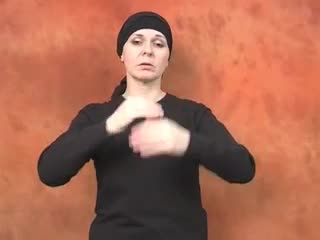
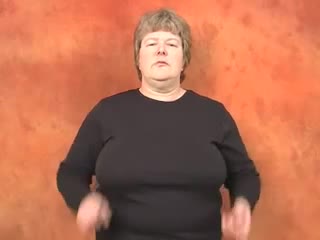
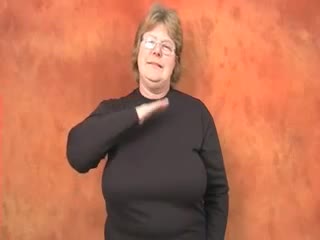
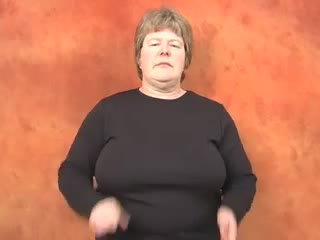
From the initial 'S' handshape in front of your chest, you will perform a distinct, two-part movement. First, your hand moves slightly forward and then opens into a '5' handshape (all fingers extended and spread, palm facing forward or slightly upward), as if you are showing a flat surface or the general concept of 'material'. Immediately after opening, your hand then closes back into a loose 'S' or 'A' handshape (fist with thumb alongside or over fingers), making a short, sharp downward movement, almost like a gentle flick or a quick, subtle bounce. This closing and downward motion implies the malleability or synthetic nature of plastic. The entire movement is fluid, not jerky, and happens within a small, controlled area.
Step 4: Non-Manual Features (Facial Expression & Mouthing)
Non-manual features are absolutely crucial in British Sign Language, adding grammatical information and meaning that hand signs alone cannot convey. For the BSL sign for plastic, a neutral or slightly thoughtful facial expression is appropriate, reflecting the objective nature of describing a material. Mouthing the word "plastic" silently or semi-audibly is common and highly recommended. This helps to clarify the sign, especially for those who are new to BSL or for loan signs where the handshape might be ambiguous. Avoid exaggerated facial expressions unless the context demands it (e.g., expressing disdain for plastic waste). Maintaining eye contact with your communication partner is also vital throughout the sign.
Step 5: Palm Orientation
During the initial 'S' handshape, your palm will generally be facing towards your non-dominant side, or slightly inward towards your body. As your hand opens into the '5' handshape, your palm will briefly face forward or slightly upward. As it then closes back into the 'S' or 'A' handshape for the final downward flick, the palm will typically rotate to face downward or towards your non-dominant side again. This change in palm orientation is subtle but contributes to the natural flow and meaning of the plastic sign language. It highlights the transformation or presentation of the material.
Quick Reference: "plastic" BSL Sign at a Glance
- Handshape: Starts as an 'S' fist, opens to a '5' (spread fingers), then closes to a loose 'S' or 'A' fist.
- Location: In the neutral signing space, in front of the chest.
- Movement: Small forward opening, then a quick closing and gentle downward flick.
- Facial Expression: Neutral or thoughtful; mouthing "plastic" is common.
- Dominant Hand: Always performed with your dominant hand.
5 Tips to Learn the BSL Sign for "plastic" Quickly
- Visualise the Material: Think about the flexibility and synthetic nature of plastic. The opening and closing movement of the hand can be imagined as depicting something being molded or the smooth surface of a plastic item. Connect the sign to the physical properties of plastic to make it more memorable.
- Practice the Transition: The key to signing "plastic" in BSL smoothly is the transition between the handshapes. Focus on making the 'S' to '5' to 'S' (or 'A') movement fluid and natural, not segmented. Practice slowly at first, then gradually increase your speed until it feels comfortable and effortless.
- Use Non-Manuals Consistently: Always mouth "plastic" when you practice the sign. This habit will strengthen your recall and ensure that when you use the sign in conversation, you're conveying the full meaning. Non-manual features are often overlooked by beginners but are essential for clear communication.
- Create a Contextual Story: Invent a short story or scenario where you'd use the BSL plastic sign repeatedly. For example, "I bought a plastic bottle," "The toy is made of plastic," or "We need to recycle plastic." Using the sign in meaningful sentences helps solidify it in your long-term memory.
- Mirror Practice & Self-Correction: Stand in front of a mirror and practice the plastic British Sign Language sign, paying close attention to your handshape, movement, and facial expression. Compare your signing to the description provided here. Filming yourself can also be incredibly useful for identifying areas for improvement and refining your technique.
When and How to Use the BSL Sign for "plastic"
The BSL sign for "plastic" is an adjective, meaning it describes a noun. It's used in a wide array of everyday contexts to specify the material of an object. Here are some scenarios:
- Describing Objects: You might use it to describe a "plastic bag" (BAG PLASTIC), a "plastic chair" (CHAIR PLASTIC), or a "plastic container" (CONTAINER PLASTIC). In BSL, adjectives often follow the noun they modify, though sometimes they can precede for emphasis.
- Discussing Materials: When talking about recycling or environmental issues, you would frequently use the plastic sign language to specify which material is being discussed. For example, "We need to separate plastic" (WE NEED SEPARATE PLASTIC).
- Identifying Items in Shops: In a shop, you might ask, "Is this plastic?" (THIS PLASTIC QUESTION-MARK). The "QUESTION-MARK" non-manual feature (eyebrows raised, head slightly tilted) would be added to turn the statement into a question.
- General Descriptions: If something feels or looks synthetic, you could sign "It's plastic-y" (IT PLASTIC-Y). The sign for "plastic" can be slightly modified with a more exaggerated or repeated movement to suggest a quality or texture rather than just the material.
Common Mistakes When Signing "plastic" in BSL - And How to Fix Them
Even experienced signers occasionally make small errors. Here are three common pitfalls when signing "plastic" and how to overcome them.
- Mistake 1: Incorrect Handshape Transition. A frequent error is not fully opening the hand into the '5' handshape or rushing the closure, leading to an unclear sign. This often happens because beginners focus too much on speed rather than precision.
Correction: Practice the full 'S' to '5' to 'S' (or 'A') transition slowly and deliberately. Ensure each handshape is clearly formed, even if momentarily, before moving to the next. Visualise the opening as presenting a flat surface and the closing as compressing or shaping it.
- Mistake 2: Stiff Wrist or Arm Movement. Some learners keep their wrist rigid or move their entire arm rather than using a more nuanced wrist and hand movement. This can make the sign look unnatural and less fluid. It often stems from tension or overthinking the physical action.
Correction: Relax your wrist! The movement should primarily originate from your hand and wrist, with minimal arm involvement. Imagine you're gently flicking something with your wrist. Practice shrugging your shoulders and shaking out your hands before signing to release any tension.
- Mistake 3: Neglecting Non-Manual Features. Forgetting to mouth "plastic" or having a blank facial expression can make the sign less clear, especially for new learners or in situations where context isn't immediately obvious. This is a common oversight when first learning the BSL sign for plastic.
Correction: Make mouthing "plastic" an integral part of your practice from day one. Consciously pair the visual hand sign with the mouth pattern. Use a mirror to ensure your facial expression is neutral and engaged. Remember, non-manuals are as important as the hand movement in British Sign Language plastic.
"plastic" in BSL - Fun Facts and History
- Iconic Representation: The sign for "plastic" is often considered iconic, meaning it visually represents some aspect of what it describes. The opening and closing movement can be seen as mimicking the malleability, flexibility, or even the process of molding plastic. This makes it a very intuitive sign for many learners.
- Evolution of the Sign: While the exact historical origin is challenging to pinpoint for many modern BSL signs, the sign for "plastic" likely evolved as the material itself became ubiquitous in the 20th century. Signs for new technologies and materials often develop organically within the Deaf community to meet communication needs.
- Regional Variations: While the 'S' to '5' to 'S' (or 'A') movement is widely understood across the UK, there can be subtle regional variations in BSL. For example, some signers in specific areas might use a slightly different starting handshape or a more pronounced flick. However, the core concept of showing flexibility or a synthetic nature remains consistent.
- Manual Alphabet Connection: While not a direct derivation, the initial 'S' or 'A' handshape is similar to letters in the BSL manual alphabet. This can sometimes create a mental link, but it's important to remember that the full sign for "plastic" is a distinct lexical item, not fingerspelling.
- Material Emphasis: The sign often carries an implicit emphasis on the *material* itself, distinguishing it from natural substances. It's a fundamental sign in discussions around manufacturing, ecology, and consumer goods.
"plastic" in Deaf Culture and BSL Community
In Deaf culture and the BSL community, the sign for "plastic" is a functional and frequently used sign, reflecting its pervasive presence in modern life. Discussions around environmental issues, recycling, and consumer choices are just as important within the Deaf community as in the hearing world, making this sign vital for expressing opinions and sharing information. Whether discussing household items, shopping for groceries, or talking about the latest gadgets, the ability to clearly sign "plastic" facilitates seamless communication. It allows for precise descriptions and full participation in conversations about the world around us, reinforcing the interconnectedness of language and daily experience within the Deaf community.
Example Sentences Using "plastic" in BSL
Here are five practical examples of the BSL sign for plastic in context:
English sentence: That bottle is made of plastic. - BSL structure: THAT BOTTLE PLASTIC. (Adjective follows noun)
English sentence: Do you have a plastic bag? - BSL structure: YOU HAVE PLASTIC BAG? (Question formed with non-manuals; adjective precedes or follows noun, both acceptable)
English sentence: We should recycle more plastic. - BSL structure: WE SHOULD RECYCLE PLASTIC MORE. (Topic-comment structure; "more" often comes after the action)
English sentence: This credit card is plastic. - BSL structure: THIS CREDIT-CARD PLASTIC. (Clear identification of material)
English sentence: The children's toys are all plastic. - BSL structure: CHILDREN TOYS ALL PLASTIC. (General statement about material)
Frequently Asked Questions About the BSL Sign for "plastic"
Is this sign the same everywhere in the UK?
While the core BSL sign for "plastic" with its 'S' to '5' to 'S' (or 'A') movement is widely understood across the UK, very minor regional variations in handshape nuances or movement emphasis can exist. However, the meaning will almost certainly be clear regardless of slight differences, as the iconic nature of the sign is quite strong.
How is this sign different from similar signs?
The sign for "plastic" is distinct due to its specific handshape changes and movement, which convey the material's properties. It's different from signs for "metal" (often a rub of knuckles on the chin or a specific 'M' handshape), "wood" (tapping knuckles on the other hand), or "paper" (waving a flat hand). The unique flexibility conveyed by the opening and closing motion sets it apart.
Is this suitable for beginners?
Absolutely! The BSL plastic sign is a fundamental and relatively easy sign for beginners to learn. Its iconic nature and clear handshape transitions make it quite intuitive. Mastering this sign early on will provide a solid foundation for describing objects and materials in British Sign Language.
Can I use this sign with Deaf children?
Yes, this is the standard and appropriate BSL sign for "plastic" to use with Deaf children. It's a common word they will encounter in daily life, so teaching them this sign will help them communicate about toys, containers, and everyday items. Pair it with real objects for effective learning.
Where can I practise this sign?
You can practice the BSL sign for plastic anywhere! In front of a mirror, by filming yourself, or ideally, with Deaf friends, BSL tutors, or fellow learners. Websites like SignDeaf.com provide resources, and local Deaf clubs or BSL classes are excellent places for real-world practice and feedback.
Related BSL Signs to Learn Alongside "plastic"
Learning related signs helps build a richer vocabulary and understanding of BSL concepts. Here are some complementary signs:
- MATERIAL: Often signed by both hands making 'M' handshapes and twisting them together, or a flat '5' handshape passing across the palm of the other hand. Learning this helps categorise "plastic."
- RECYCLE: Typically involves an 'R' handshape moving in a circular motion, often over the open palm of the non-dominant hand. Essential for discussions about plastic waste.
- BOTTLE: Often involves a handshape mimicking holding a bottle, then tipping it as if pouring. Many bottles are plastic, so these signs are frequently used together.
- BAG: Usually signed with two 'A' handshapes simulating holding the handles of a bag. Plastic bags are very common, making this a useful pairing.
- GLASS: Often signed by touching an 'F' handshape to the side of the mouth (as if drinking) or by depicting the shape of a glass. This helps differentiate plastic from other clear materials.
- METAL: Frequently signed by rubbing the knuckles of a fist against the side of the chin or cheek. Useful for contrasting plastic with other hard materials.
How to Practise the BSL Sign for "plastic" Effectively
Consistent and varied practice is key to truly embedding the BSL sign for plastic into your signing repertoire. Start by using a mirror to observe your handshapes and movements, ensuring they match the detailed descriptions provided. Film yourself signing the word and then review it critically, paying attention to the fluidity of the movement and the clarity of your non-manual features. The best way to solidify your learning is to incorporate "plastic" into full sentences and real conversations, whether with a BSL tutor, a Deaf friend, or even by narrating your daily activities to yourself. Regular, short bursts of practice each day are far more effective than infrequent, long sessions for mastering this and any other British Sign Language plastic sign.