What Is the BSL Sign for "rub"?
Have you ever needed to describe that simple, familiar action of applying friction, perhaps to a sore muscle or a stubborn stain? Understanding how to sign rub in BSL opens up a whole world of expressive communication for exactly these everyday moments. This essential BSL sign for rub directly conveys the physical motion, making it intuitive once you grasp the handshapes and movement. It's a foundational verb in British Sign Language rub, helping you articulate everything from soothing a child's knee to describing household chores. You’ll find this sign incredibly versatile, whether you're asking someone to rub your back or explaining how to prepare a surface.
How to Sign "rub" in British Sign Language - Step-by-Step
Let's get those hands moving and break down the specific actions for successfully communicating "rub" in British Sign Language, focusing on the common, general usage of the word.
Step 1: Handshape
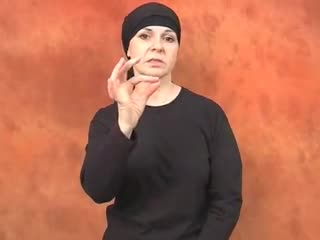
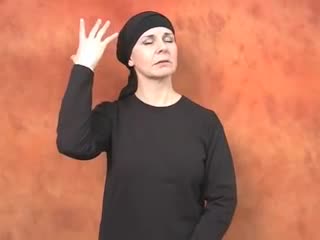
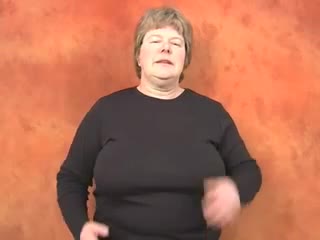
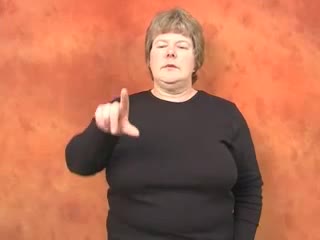
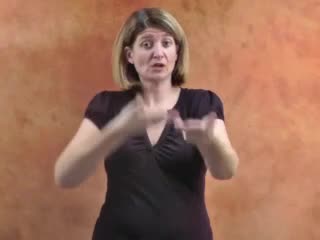
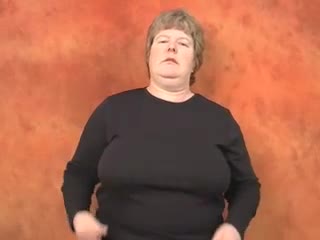
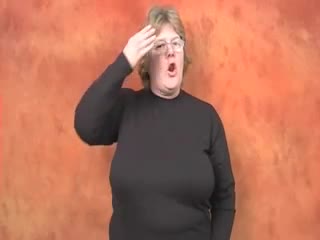
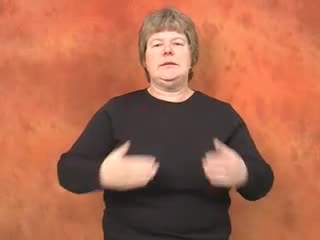
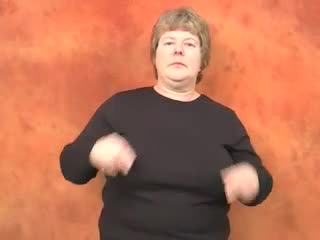
For this sign, you'll prepare both hands. Your non-dominant hand should form a flat, open handshape, with your fingers extended and held together, and your thumb tucked alongside your palm. Your palm will typically face upwards, creating a surface. Meanwhile, your dominant hand also takes on a flat, open handshape, fingers extended and touching, with your thumb resting against the side of your palm.
Step 2: Hand Placement and Location
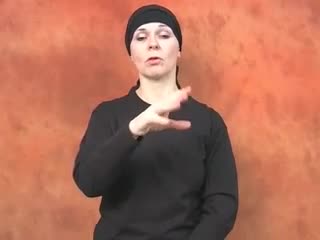
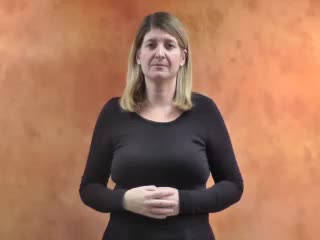
You'll position your non-dominant hand comfortably in front of your body, usually around chest height, with its palm facing upwards, acting as a base. Your dominant hand then hovers just above your non-dominant palm, with its own palm facing downwards towards your non-dominant hand. This setup establishes the "surface" and the "rubbing" hand ready for action in your signing space.
Step 3: Movement
With your dominant hand, perform a distinct back-and-forth rubbing motion across the palm of your non-dominant hand. The movement is usually horizontal, sweeping from the base of the fingers towards the wrist of your non-dominant hand, and then returning. You'll execute this action two or three times in quick succession, creating a clear visual representation of friction. The motion should be smooth and controlled, directly conveying the concept of rubbing.
Step 4: Facial Expression and Mouthing
Typically, the British Sign Language rub sign doesn't require a specific, intense facial expression; a neutral or context-appropriate look works perfectly well. However, you'll naturally mouth the word "rub" as you produce the sign. Mouthing, which involves forming the word with your lips without vocalising, forms a crucial non-manual feature in sign language, providing clarity and reinforcing the signed message. It often aids in distinguishing homophones or adding subtle grammatical nuance, making your communication more precise.
Step 5: Palm Orientation
Throughout this sign, your non-dominant hand maintains an upward palm orientation, presenting a stable surface for the action. Conversely, your dominant hand keeps its palm oriented downwards, directly facing the non-dominant hand's palm. This specific interaction of palm orientations is fundamental because it accurately depicts the physical contact and direction of the rubbing action, ensuring the sign's meaning is unmistakably clear to your conversation partner.
"rub" in BSL - Quick Reference Snapshot
Here’s a concise overview to help you quickly recall the BSL rub sign:
- Handshape: Both hands open, flat, fingers together.
- Location: Dominant hand rubs over non-dominant palm in neutral space.
- Movement: Dominant hand moves back-and-forth horizontally across non-dominant palm, repeated 2-3 times.
- Facial Expression: Generally neutral or context-driven.
- Dominant Hand: Performs the rubbing action.
- Palm Orientation: Non-dominant palm up, dominant palm down.
5 Memorisation Tricks for the BSL Sign "rub"
Learning new signs can sometimes feel like a puzzle, but with a few clever tricks, you'll master the sign for "rub" in no time!
- Visualise the Action: Picture yourself actually rubbing something specific, like a piece of sandpaper on wood or a cloth on a dirty surface. The direct, back-and-forth motion of your dominant hand over your non-dominant hand perfectly mimics this physical activity, making the sign’s meaning instantly clear and helping you recall the movement.
- Muscle Memory Drill: Dedicate a few minutes each day to simply repeating the sign for "rub" slowly, then gradually increasing speed. Focus on feeling the distinct contact of your dominant palm against your non-dominant hand, letting the physical sensation cement the sign's movement into your memory.
- Connect to Meaning: Think about the core purpose of rubbing – it's about friction, movement, and often achieving a result like cleaning or soothing. By linking the practical application of rubbing to the sign's physical execution, you'll create a deeper cognitive connection, reinforcing why the sign looks and feels the way it does.
- Avoid Common Confusion: A common pitfall is mixing this sign with "clean" or "polish," which might involve similar handshapes but distinct movements or locations. Remember that "rub" is about the general friction; if you're cleaning a surface, you might sign "rub" then "clean," or use a more specific "clean" sign that incorporates the context. Keep the general, back-and-forth motion on your non-dominant palm distinct.
- Integrate into Daily Life: Whenever you perform a rubbing action, whether you're rubbing cream into your skin or wiping down a table, consciously sign "rub" at the same time. This constant, real-world reinforcement helps integrate the sign into your everyday vocabulary, making it second nature.
Real-Life Situations to Use the BSL Sign for "rub"
Understanding how to sign rub in BSL becomes much more practical when you see it in various contexts, from simple statements to more complex grammatical structures.
- Imagine you're at a friend's house and their cat wants attention; you might sign, "CAT WANT YOU RUB HEAD" (cat want [you] rub head) to indicate the cat desires a head rub. Here, "rub" acts as a verb, often accompanied by direction towards the desired rubbing location.
- If someone complains of a sore shoulder, you could ask, "SHOULDER SORE? WANT ME RUB?" (shoulder sore? want me rub?), demonstrating how "rub" can be used in a question by raising your eyebrows and leaning forward slightly for the interrogative non-manual feature.
- Perhaps you're discussing a cleaning task: "TABLE DIRTY, I NEED RUB IT." (table dirty, I need rub it). The sign for "rub" here shows its use in a declarative sentence, describing an action required to achieve cleanliness.
- You might see someone struggling with a stubborn stain and comment, "OH, DON'T RUB HARD! PAINT COME OFF!" (oh, don't rub hard! paint come off!). This illustrates how negation, often achieved by shaking your head and signing "NOT" or "DON'T", can modify the verb "rub", with "HARD" signed to show intensity.
Top 3 Mistakes Learners Make Signing "rub" in BSL
Even experienced signers started somewhere, and it's completely normal to make a few errors along the way! Here are some common pitfalls with the British Sign Language rub sign and how to correct them.
- Incorrect Handshape for the Non-Dominant Hand: Many beginners might hold their non-dominant hand loosely or with fingers splayed, which can obscure the intended meaning. This often happens because they're focusing too much on the dominant hand's movement. To fix this, ensure your non-dominant hand is held flat and firm, with fingers together and the thumb neatly tucked, providing a clear, stable surface for the rubbing action.
- Using a Tapping or Stroking Motion Instead of Rubbing: Sometimes learners make the dominant hand tap the non-dominant palm or use a single, soft stroke rather than a distinct back-and-forth friction. This mistake arises from a lack of emphasis on the repetitive, abrasive nature of the sign. The precise correction involves making sure your dominant hand performs at least two clear, horizontal sweeps across the non-dominant palm, truly depicting the continuous action of rubbing.
- Neglecting Mouthing and Facial Expression: Learners frequently concentrate solely on the manual components, forgetting that non-manual features are integral to BSL grammar and clarity. Without mouthing "rub" or using appropriate facial expressions, the sign can appear less complete or less natural. The solution is to consciously mouth "rub" as you sign and let your facial expression naturally align with the context – for instance, a slightly strained look if rubbing something difficult, or a gentle expression for soothing.
Fascinating Facts About the BSL Sign for "rub"
Delving into the specifics of a sign like "rub" reveals some intriguing insights into the structure and evolution of British Sign Language.
- The sign for "rub" is highly iconic, meaning its form directly mimics the action it represents, making it one of the more transparent signs for newcomers to learn. This direct visual representation of friction contributes to its universal understanding within the Deaf community.
- While the core movement of the BSL rub sign is consistent, regional variations might appear in the exact number of repetitions or the precise point of contact on the non-dominant hand. These minor differences highlight the dynamic nature of BSL across the United Kingdom.
- This particular sign can be directionally modified to indicate *where* the rubbing occurs, for example, rubbing a specific body part by moving the sign to that location on your own body. This grammatical feature, known as spatial modification, is a powerful tool for conveying detailed information efficiently.
- Interestingly, the sign for "rub" shares some handshape characteristics with other signs related to surface interaction, such as "clean" or "wipe," yet its distinct movement differentiates its specific meaning. This similarity in handshape helps build a semantic cluster for actions involving hands on surfaces.
- The intensity of the rubbing action can be subtly conveyed through the speed and force of the sign; a vigorous, fast movement suggests hard rubbing, while a slower, gentler motion indicates a light rub. This nuance is a testament to the expressive capacity of BSL.
"rub" in Deaf Culture - Community and Identity
Communication within the Deaf community thrives on clarity and directness, and signs like "rub" exemplify this beautifully through their iconic nature. The act of sharing physical touch, such as a comforting pat or a gentle rub, often carries significant weight in fostering connection and empathy without needing spoken words. This inherent tactility in signs like "rub" aligns deeply with a culture that values visual and physical cues above all else. Understanding the nuances of physical actions through BSL strengthens bonds, enabling shared experiences and mutual support. It's a reminder that communication isn't just about words; it's about connecting with others on a fundamental human level, often through shared gestures and heartfelt expressions.
Example Conversations Using "rub" in BSL
Let's see the BSL sign for rub in action with some practical sentences, demonstrating its flexibility in everyday dialogue.
English: Can you rub my back please? - BSL structure: YOU RUB MY BACK PLEASE? (Direct question, spatial reference to back).
English: I need to rub cream into my hands. - BSL structure: HANDS DRY, CREAM NEED RUB-IN. (Topic-comment structure, "rub-in" implying action of application).
English: Don't rub your eyes when they're itchy. - BSL structure: EYES ITCHY, DON'T RUB! (Negative command, direct instruction).
English: The dog loves it when you rub his belly. - BSL structure: DOG LOVE YOU RUB BELLY. (Simple statement, clear subject-verb-object order).
English: He had to rub the lamp to make the genie appear. - BSL structure: HE RUB LAMP, GENIE APPEAR. (Narrative structure, sequential actions).
Frequently Asked Questions: The BSL Sign for "rub"
Here are some common queries that learners often have about the sign for "rub" in British Sign Language.
Are there regional differences for "rub" in British Sign Language?
While the fundamental concept and core movement of the BSL sign for rub remain largely consistent across the UK, you might encounter minor regional variations in the speed or precise area of the non-dominant hand that receives the rubbing. These subtle differences usually don't hinder understanding, but they reflect the natural evolution of language within distinct Deaf communities.
Are there signs similar to "rub" in BSL that I should watch out for?
Indeed, some signs might visually resemble the BSL rub sign due to shared handshapes or general movement, such as "clean" or "polish." The key distinction lies in the specific movement and context; "clean" often involves a broader, more expansive wiping motion, while "polish" might have a more circular or targeted movement. Always pay close attention to the full articulation of the sign and the accompanying context to avoid confusion.
Is the "rub" sign suitable for beginners learning BSL?
Absolutely, the BSL sign for rub is an excellent sign for beginners! Its iconic nature, directly representing the physical action, makes it relatively easy to grasp and remember. Incorporating it early into your learning journey will help build confidence and provide a useful verb for many everyday situations.
How can I teach the "rub" sign to children learning BSL?
Teaching the rub sign to children is often very effective through playful, hands-on activities. You could demonstrate by pretending to rub a teddy bear's tummy, or signing "rub" while applying pretend lotion, linking the sign directly to an engaging, tangible action. Exaggerating the movement and repetition also aids in their comprehension and recall.
Does the "rub" sign in BSL have a different meaning if modified?
Yes, the BSL sign for rub can certainly take on slightly different meanings or nuances through modification. For instance, signing it with more intensity (faster, harder movement) can mean "scrub" or "rub hard," while a gentle, slower motion might imply "stroke" or "massage lightly." The context and non-manual features always play a vital role in interpreting these modifications.
Signs That Pair Naturally with "rub" in BSL
Building your vocabulary is much easier when you group related concepts. Here are some signs that naturally complement the BSL rub sign:
- CLEAN: This sign often follows "rub" when describing the act of removing dirt, as rubbing frequently precedes or is part of the cleaning process. They share the concept of surface interaction.
- MASSAGE: Very closely related, "massage" involves a more specific, usually circular or kneading form of rubbing, making it a natural extension of the general "rub" sign. They both involve applying pressure and friction.
- POLISH: This sign describes a specific type of rubbing done to make something shiny. Learning it alongside "rub" helps distinguish the purpose of the action.
- CREAM/OINTMENT: When you're talking about applying a substance to the skin, "rub" frequently comes into play. Knowing this sign helps you describe the full action of "rubbing in cream."
- SMOOTH: Often, the result of rubbing is a smooth surface. Learning "smooth" allows you to express the outcome of the rubbing action.
- SCRUB: This implies a more vigorous, intense form of rubbing, often with a tool. It builds on the basic "rub" concept by adding an element of force.
Building Fluency: How to Practise "rub" in BSL
Consistency is your best friend when it comes to mastering British Sign Language, and truly owning the BSL sign for rub takes just a bit of focused practice. Try standing in front of a mirror and signing "rub," paying close attention to your handshapes, movement, and how your dominant palm interacts with your non-dominant hand. This visual feedback is invaluable for refining your technique. Don't be afraid to integrate "rub" into your daily thoughts; for instance, if you're preparing food, mentally sign "rub spices" as you do it. Filming yourself practicing the sign provides an objective way to review your progress and spot any areas needing improvement, which you might miss in the mirror. Most importantly, seek opportunities to use the sign with a Deaf conversation partner or within a BSL group; real-world interaction solidifies your learning and makes the sign a natural part of your expressive vocabulary. Keep signing, keep connecting, and you'll find your fluency grows beautifully.