What Is the BSL Sign for "swing door"?
Imagine pushing through a door that swings both ways; that visual motion is precisely what the
BSL sign for swing door captures so elegantly. This particular sign isn't just about a specific object; it actually embodies the function and action of a door that moves on central hinges. Understanding how to sign "swing door" in British Sign Language opens up a practical way to describe common architectural features in your environment. You'll discover it’s a beautifully iconic sign, making it quite intuitive for many learners to grasp.
How to Sign "swing door" in British Sign Language - Step-by-Step
Let's break down the movements for this sign, focusing on the nuances that make it distinctly British Sign Language.
Step 1: Handshape
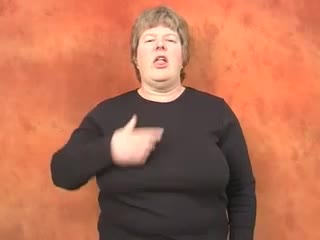
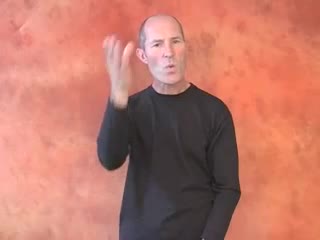
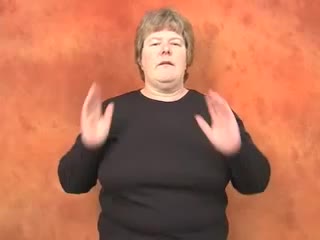
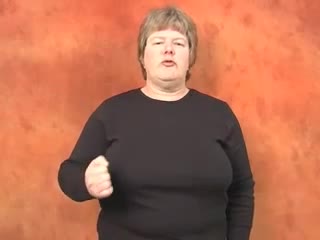
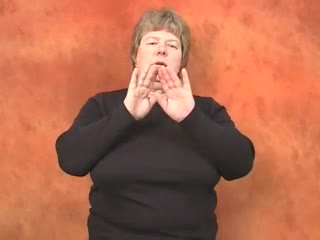
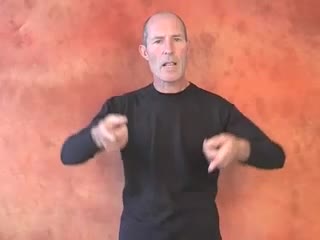
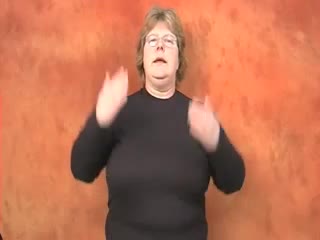
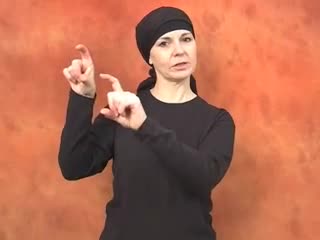
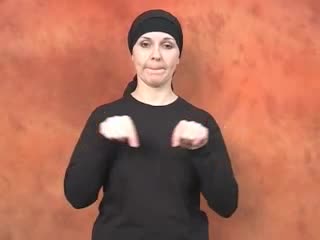
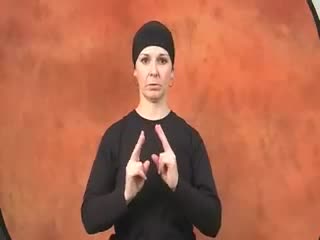
For the BSL sign for "swing door," you'll begin by forming a flat handshape with your dominant hand. Keep all your fingers together and perfectly straight, extending them out from your palm. Your thumb should remain tucked alongside the side of your index finger, not splayed out, maintaining a sleek, flat surface.
Step 2: Hand Placement and Location
Position your dominant flat hand vertically in front of your chest, ensuring your fingertips point upwards. This placement establishes the initial representation of the door itself. Your non-dominant hand remains passive and can rest comfortably by your side or support your dominant forearm slightly, keeping the focus on the active signing hand.
Step 3: Movement
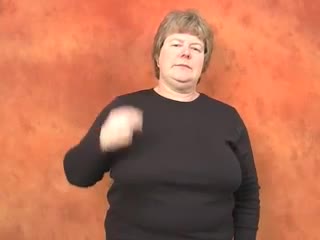
From this upright position, your dominant hand performs a distinct swinging motion. It pivots from the wrist, moving outwards and then back inwards in a smooth, arc-like sweep. Envision the door swinging open and then closing again, replicating this action with a single, fluid movement of your hand. The sign truly embodies the physical action of the object.
Step 4: Facial Expression and Mouthing
Non-manual features are incredibly important in BSL, and for "swing door," a neutral facial expression is generally appropriate. You might subtly mouth the English word "swing door" to aid clarity, especially when learning or conversing with hearing BSL users. This mouthing helps distinguish the sign from potentially similar movements and clarifies the specific lexical item you're referring to within a sentence.
Step 5: Palm Orientation
Throughout the sign, your palm should face forward, away from your body. This consistent palm orientation reinforces the idea of a flat surface, like a door, that is seen from the perspective of someone approaching it. Maintaining this outward facing palm is crucial for conveying the intended meaning accurately to your conversational partner.
"swing door" in BSL - Quick Reference Snapshot
- Handshape: Dominant hand flat, fingers together and straight, thumb tucked.
- Location: Vertical in front of the chest.
- Movement: Dominant hand pivots from wrist, swinging outward and inward in an arc.
- Facial Expression: Neutral, possibly mouthing "swing door".
- Dominant Hand: Performs the active movement.
- Palm Orientation: Faces forward, away from the signer.
5 Memorisation Tricks for the BSL Sign "swing door"
- Visual Mnemonic: Picture your flat hand as the actual door itself, standing tall. Now, imagine its top edge connected to a pivot point, allowing the entire "door" to swing freely from side to side in your mind. This mental image of the door's function directly links to the hand movement you perform.
- Muscle-Memory Drill: Try holding a thin, flat object, like a book or a placemat, in your dominant hand and physically practice the swinging motion it would make if it were a door. This tactile experience helps engrain the specific wrist pivot and arc into your muscle memory, making the sign feel more natural over time.
- Connection to Meaning: Think about the core difference between a regular door and a swing door; it's all in the action. The sign for "swing door" perfectly mimics that unique back-and-forth movement, so focus on the *verb* "to swing" when you practice the *noun* "swing door" to solidify the connection.
- Common-Confusion Tip: Don't confuse this with simply pointing to a door or the sign for a generic "door" which might involve a different opening motion. Remember, the key here is the *specific* swinging action, distinguishing it from other door types. Emphasise the pivot rather than a simple push or pull.
- Daily-Life Practice Idea: Every time you encounter a swing door in your daily life, whether at a shop, a cafe, or an office, pause for a moment and mentally (or physically, if appropriate!) perform the BSL sign for it. This consistent, contextual practice will make the sign second nature very quickly.
Real-Life Situations to Use the BSL Sign for "swing door"
- You might use this sign when describing directions to a friend: "When you get to the cafe, go through the swing door British Sign Language sign and I'll be waiting inside." The sign naturally fits into spatial descriptions, often appearing after the location.
- Perhaps you're discussing building renovations and need to specify a particular type of entrance. You could sign, "We need to install a new [sign for 'swing door'] in the kitchen area," placing the sign where the door would be in your signing space.
- Asking a question about specific access: "Does that restaurant have a [sign for 'swing door'] or a sliding door?" Here, the sign would often be accompanied by a raised eyebrow and leaning forward, typical BSL question markers.
- When telling a story about an amusing incident: "I nearly walked into the [sign for 'swing door'] because I wasn't paying attention!" Incorporating the sign adds vivid detail to your narrative.
Top 3 Mistakes Learners Make Signing "swing door" in BSL
- Mistake 1: Incorrect Handshape. Many beginners might use a 'B' handshape or slightly separate their fingers, which changes the meaning. The proper correction involves ensuring all fingers are pressed tightly together, forming a completely flat, rigid surface, replicating the solid panel of a door.
- Mistake 2: Insufficient or Exaggerated Movement. Some learners might only wiggle their fingers or perform an overly large, sweeping arm movement instead of the precise wrist pivot. The correct execution focuses on a controlled, subtle pivot at the wrist, ensuring the hand moves like a door on a central hinge, not a whole arm flail.
- Mistake 3: Wrong Palm Orientation. It's common for new signers to let their palm face slightly downwards or inwards. This tiny error can obscure the sign's meaning by distorting the visual representation of a door. Always remember to keep your palm facing directly forward, outward from your body, throughout the entire motion.
Fascinating Facts About the BSL Sign for "swing door"
- The what is the sign for swing door sign is highly iconic, meaning its form directly resembles the action or object it represents. This strong visual connection makes it relatively easy for beginners to guess the meaning, even without prior knowledge.
- While the core sign is widely understood, subtle regional variations might exist in BSL, with some areas perhaps incorporating a slightly different handshape or a more pronounced movement. However, the fundamental swinging action remains universally recognisable across the UK.
- This sign's structure beautifully demonstrates BSL's reliance on classifiers, where handshapes are used to represent objects or their properties. Here, the flat hand acts as a classifier for a flat surface, in this case, a door panel.
- You won't find a direct manual alphabet (fingerspelling) connection for "swing door" itself, as it's a conceptual sign that uses movement and form rather than letter representation. This highlights BSL's rich visual-spatial grammar over direct English translation.
- The sign efficiently conveys both the object ("door") and its specific characteristic ("swinging") in a single, fluid motion. This linguistic economy is a hallmark of BSL, allowing for concise and expressive communication.
"swing door" in Deaf Culture - Community and Identity
Describing architectural features like a
swing door sign language isn't just about conveying information; it's part of how Deaf people navigate and interact with their environment, often with a heightened visual awareness. In Deaf spaces, where communication is primarily visual, clear and precise descriptions of physical surroundings are vital for accessibility and smooth interaction. Shared understanding of signs for common objects fosters a sense of community and ease in communication, ensuring everyone can orient themselves and understand directions without ambiguity. This sign, like many others describing physical spaces, helps build a common visual language that strengthens cultural bonds within the Deaf community.
Example Conversations Using "swing door" in BSL
English: Please wait for me by the swing door. - BSL structure: YOU WAIT ME BY SWING-DOOR.
English: Is that a swing door or a revolving door? - BSL structure: THAT SWING-DOOR OR REVOLVING-DOOR? (with question facial expression).
English: The cafe's entrance has a really heavy swing door. - BSL structure: CAFE ENTRANCE, SWING-DOOR, VERY HEAVY.
English: I hate when swing doors hit me! - BSL structure: SWING-DOOR HIT ME, I HATE! (with negative facial expression).
English: We need to replace the swing door in the office. - BSL structure: OFFICE SWING-DOOR, WE NEED REPLACE.
Frequently Asked Questions: The BSL Sign for "swing door"
Is the BSL sign for "swing door" different across regions in the UK?
While the core concept and movement for the
BSL swing door sign are remarkably consistent across the UK, very subtle regional variations in handshape precision or the exact arc of the swing might be observed. However, the fundamental iconic representation of a door swinging will be universally understood by BSL users.
Are there any signs similar to "swing door" that beginners should avoid confusing it with?
Yes, learners should be careful not to confuse "swing door" with the general sign for "door" (which often involves two flat hands opening and closing like double doors) or with signs for "gate" or "window." The distinctive feature of "swing door" is its single-hand, wrist-pivot action representing a door swinging on a central hinge.
Is "swing door" a suitable sign for children learning BSL?
Absolutely! The sign for "swing door" is quite iconic and visually descriptive, making it very accessible and memorable for children learning BSL. Its direct representation of the door's action helps young learners connect the sign to the real-world object easily.
How does the sign for "swing door" in British Sign Language compare to how other sign languages might express this?
Different sign languages develop independently within their own Deaf communities, meaning their signs often differ significantly. While the concept of a "swing door" is universal, its representation in another sign language could involve a completely different handshape, placement, or movement, reflecting that language's unique linguistic and cultural influences.
Can I modify the BSL sign for "swing door" to indicate its size or material?
You can certainly modify the sign for "swing door" to convey additional information. For instance, you could adjust the size of your hand's swing to indicate a small or large door, or incorporate descriptive signs for "heavy," "glass," or "wooden" immediately before or after the "swing door" sign to specify its material or characteristics.
Signs That Pair Naturally with "swing door" in BSL
- DOOR (general): Learning the general sign for "door" alongside "swing door" helps you distinguish between different types of entryways and build a foundational vocabulary for architectural features.
- OPEN: This sign often follows "swing door" when describing the action of passing through it, linking the object to its function in a sentence.
- CLOSE: Similarly, "close" naturally complements "swing door" when discussing a door's full cycle of movement or securing an entrance.
- BUILDING: When you're talking about a specific location, combining "building" with "swing door" helps place the object within its broader context.
- ENTRANCE/EXIT: These signs logically connect with "swing door" as they describe the points of access and departure, where such doors are typically found.
- PUSH/PULL: Although a swing door moves both ways, understanding "push" and "pull" is useful for describing interaction with doors in general, providing context for the swinging motion.
Building Fluency: How to Practise "swing door" in BSL
To truly embed the
learn swing door BSL sign into your active vocabulary, dedicate time to consistent, focused practice. Try standing in front of a mirror, performing the sign repeatedly, and meticulously checking your handshape, movement, and palm orientation against the steps you've learned. Integrate "swing door" into your daily BSL conversations by actively looking for opportunities to describe places you visit or recount stories involving this specific type of door. Film yourself signing the word and then review it critically, noticing any areas where you can refine your technique, perhaps comparing it to a demonstration video if available. Remember, finding a Deaf conversation partner is invaluable; they can provide real-time feedback and help you use the sign naturally within authentic BSL dialogue. Spaced repetition is also key: practice the sign for a few minutes each day over several days, rather than cramming it all into one session, and you'll find it becomes second nature in no time!