What Is the BSL Sign for "steel"?
Ever wondered how to convey unwavering strength and durability in British Sign Language? The BSL sign for steel immediately brings to mind something robust, unyielding, and incredibly strong. Learning this particular sign will add a powerful word to your visual vocabulary, allowing you to discuss everything from construction materials to character traits. You'll find the British Sign Language steel sign represents this vital material in a clear, memorable way, giving learners a fantastic entry point into expressive BSL. Understanding what is the sign for steel unlocks conversations about engineering, industry, and even metaphorical resilience within the Deaf community.
How to Sign "steel" in British Sign Language - Step-by-Step
Let's break down the precise movements for signing "steel," ensuring you capture its essence and communicate clearly.
Step 1: Handshape
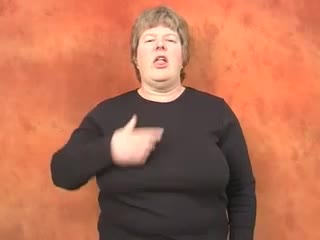
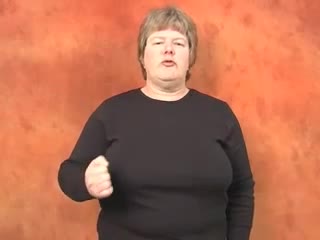
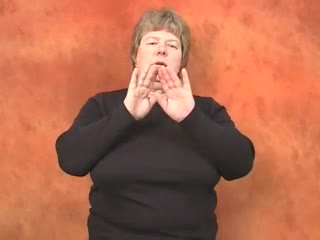
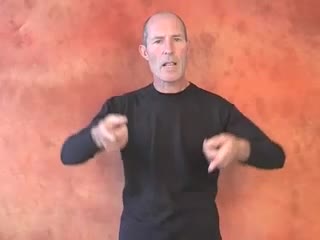
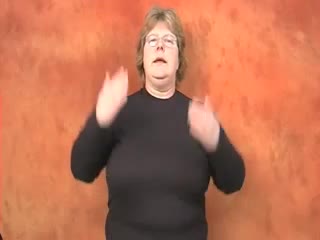
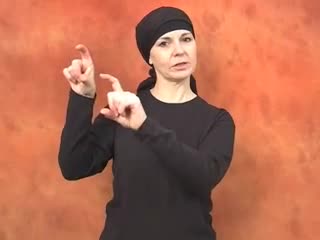
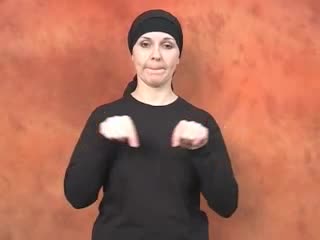
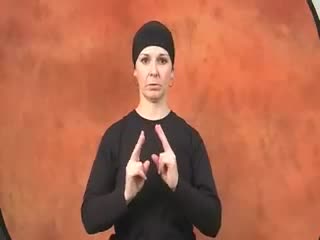
For "steel," you'll begin with your dominant hand forming an 'S' handshape, which means making a fist with your thumb wrapped over your fingers. All your fingers should be tightly curled into your palm, and your thumb should rest firmly across your knuckles, as if gripping something solid. This closed handshape truly conveys the compact, dense nature of the material we're describing.
Step 2: Hand Placement and Location
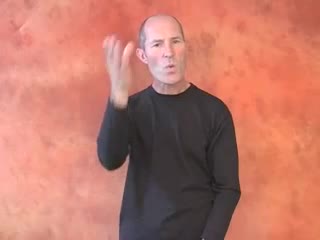
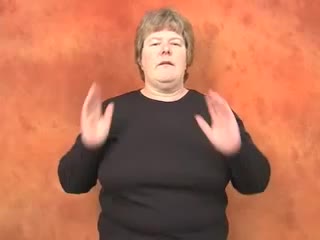
You'll position your non-dominant hand flat, palm facing upwards, extending it comfortably in front of your body at about chest height. Your dominant 'S' hand then comes to rest initially on the back of your non-dominant wrist, almost like you're tapping the joint. This specific placement is crucial for establishing the initial contact point of the sign.
Step 3: Movement
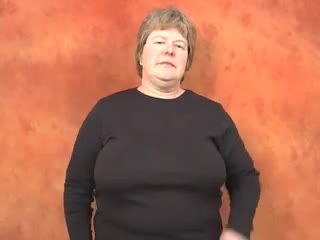
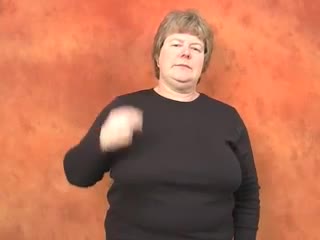
With your dominant 'S' hand resting on your non-dominant wrist, you'll perform a firm, sharp tap. Immediately after this first tap, lift your dominant hand slightly, perhaps an inch or two, then bring it down for a second distinct tap on the same spot on your non-dominant wrist. Following the second tap, your dominant hand then moves upwards and slightly outwards, clenching even tighter as it finishes the motion, conveying a sense of rigid upward lift or extraction. The entire sequence is quick and decisive, reflecting the material's unyielding quality.
Step 4: Facial Expression and Mouthing
Non-manual features are absolutely vital in BSL, and for "steel," a firm, determined facial expression usually accompanies the sign. You might slightly furrow your brow or tighten your lips, reflecting strength and seriousness. Mouthing the English word "steel" (without voice) is also a common practice; this helps distinguish it from similar-looking signs and clarifies meaning for your conversation partner. Remember, these non-manual cues aren't optional; they're an integral part of BSL grammar and meaning.
Step 5: Palm Orientation
Throughout the sign for "steel," the palm of your dominant 'S' hand will generally face inward towards your body, or slightly towards your non-dominant hand. The non-dominant hand's palm remains facing upwards, providing a stable base for the dominant hand's action. This orientation reinforces the contact and the forceful nature of the sign, ensuring the impact is directed and clear.
"steel" in BSL - Quick Reference Snapshot
- Handshape: Dominant hand forms an 'S' (fist with thumb over fingers), non-dominant hand flat, palm up.
- Location: Dominant hand taps the back of the non-dominant wrist.
- Movement: Two firm taps, then dominant hand moves slightly up and out, clenching tighter.
- Facial Expression: Firm, determined, possibly slight brow furrowing.
- Dominant Hand: The hand performing the 'S' shape and tapping movement.
- Palm Orientation: Dominant palm faces inward; non-dominant palm faces upward.
5 Memorisation Tricks for the BSL Sign "steel"
Learning how to sign steel in BSL becomes much easier with a few clever tricks up your sleeve. Here are some ideas to help you master this sign quickly.
- Visual Mnemonic: The Blacksmith's Hammer. Picture a blacksmith forging a piece of steel. Your dominant 'S' hand looks like a small, strong hammer striking the anvil (your non-dominant wrist) twice, then pulling away with the newly hardened metal. This imagery connects the sign's action directly to the concept of steel production.
- Muscle-Memory Drill: The "Hard Tap." Focus on the sensation of the two firm taps. Practise the double tap on your non-dominant wrist with increasing precision, ensuring the movement is crisp and controlled. This repetitive action builds muscle memory, making the sign feel natural and automatic.
- Connection to Meaning: Unyielding Strength. Think about the core qualities of steel: strength, hardness, and durability. The tight 'S' handshape and the firm, unyielding taps beautifully convey these characteristics. Remind yourself that you're signing "strong metal" every time you perform the action.
- Common-Confusion Tip: Not "Metal." Many beginners confuse "steel" with the more general sign for "metal." While related, the sign for "metal" often involves a different handshape or movement, sometimes brushing the side of the chin or the dominant hand 'X' (hooked finger) tapping the teeth. Always remember the specific double tap on the wrist and the 'S' handshape for "steel" to avoid this common mix-up.
- Daily-Life Practice: Spotting Steel. Whenever you see something made of steel in your daily life – a bridge, a utensil, a building frame – take a moment to practise the sign. Point to the object and then perform the BSL steel sign, integrating it into your environment and making it relevant.
Real-Life Situations to Use the BSL Sign for "steel"
Knowing the BSL sign for steel is incredibly useful in many everyday contexts. Here are some practical scenarios where you'll find yourself using it.
- Imagine you're discussing construction plans with a Deaf friend. You might sign, "NEW BUILDING, MUCH STEEL, VERY STRONG," using the sign for "steel" to describe the primary material. Here, "steel" acts as a direct noun, following the topic-comment structure.
- Perhaps you're at a hardware store and need a specific type of steel screw. You could ask, "YOU HAVE SCREW, STEEL?" pointing to the type you need or using classifiers to describe its shape. The question takes on a raised eyebrow and slightly forward lean in BSL.
- If you're admiring a powerful car or a piece of machinery, you might sign, "WOW, THIS CAR, ENGINE ALL STEEL, AMAZING," expressing admiration for its robust construction. The sign is integrated into a descriptive sentence, often at the end for emphasis.
- You could be sharing a story about a person's resilience, metaphorically signing, "THAT PERSON, HEART LIKE STEEL, NEVER GIVE UP," portraying their inner strength. Here, "steel" functions metaphorically, adding depth and imagery to the narrative.
Top 3 Mistakes Learners Make Signing "steel" in BSL
Even experienced learners sometimes stumble with certain signs, and the BSL steel sign has its own common pitfalls. Let's look at the top three errors and how you can correct them.
- Incorrect Handshape: Using an 'A' or 'X' handshape. A frequent mistake is forming a different handshape, like an 'A' (fist with thumb alongside) or an 'X' (hooked index finger), instead of the correct 'S' handshape. This changes the entire meaning and can lead to confusion with other signs. The correction is simple: always ensure your thumb is wrapped *over* your curled fingers, creating that solid, compact 'S' fist.
- Insufficient Taps or Incorrect Movement. Learners sometimes perform only one tap, or they might make the movement too soft, or even slide their hand instead of tapping. The precise double tap is crucial for this sign's identity. Remember, it needs two distinct, firm taps on the non-dominant wrist, followed by that slight upward, outward clench, conveying the material's rigidity and strength.
- Missing Facial Expression or Mouthing. A lack of appropriate non-manual features can make the sign seem flat or unclear. If you sign "steel" with a neutral face and don't mouth the word, it loses much of its impact and might be harder to interpret in context. The solution involves consciously adopting that firm, determined expression and clearly mouthing "steel" as you sign; these are not optional embellishments but core linguistic components of the sign.
Fascinating Facts About the BSL Sign for "steel"
Delving into the specifics of the BSL sign for steel uncovers some truly interesting aspects of its form and function.
- The iconic nature of the sign for "steel" is quite pronounced; the 'S' handshape striking the wrist strongly evokes the physical act of forging metal or testing its hardness. It's a sign that visually represents its meaning.
- While the core sign remains consistent across the BSL-using community, very subtle regional variations might appear in the exact speed or force of the taps, or the precise upward finishing movement. These are minor nuances, not different signs entirely.
- Unlike many signs that derive from the manual alphabet, the BSL steel sign doesn't directly relate to fingerspelling an 'S' and then forming the sign. Its meaning is primarily conveyed through its action and handshape as a whole.
- This sign's firm, forceful movement distinguishes it from signs for softer or more pliable materials, highlighting the linguistic feature of incorporating material properties directly into the sign's execution. It's a visual metaphor.
- The dual tap in the sign isn't arbitrary; it serves to reinforce the concept of impact or repeated stress, aligning perfectly with how steel is tested or manufactured to achieve its strength.
"steel" in Deaf Culture - Community and Identity
The concept of "steel" resonates deeply within the Deaf community, often moving beyond just a material to represent enduring qualities. You'll find the idea of strength, resilience, and an unyielding spirit is highly valued, echoing the characteristics of steel itself. Deaf individuals and the community as a whole have historically demonstrated incredible fortitude in navigating societal barriers and advocating for their language and culture. So, when you learn steel BSL, you're not just learning a word; you're connecting with a culture that embodies steadfastness and determination. This sign can beautifully articulate the strong bonds within the community or the unwavering resolve of an individual.
Example Conversations Using "steel" in BSL
Let's see the BSL sign for "steel" in action through some everyday conversational examples.
English: That bridge is made of very strong steel. - BSL structure: BRIDGE, THAT, MATERIAL, STEEL, STRONG VERY.
English: Do you think this knife is steel or aluminium? - BSL structure: KNIFE, THIS, STEEL OR ALUMINIUM, YOU THINK?
English: We need a steel beam for the new extension. - BSL structure: EXTENSION NEW, BEAM, STEEL, NEED WE.
English: Her resolve was like steel, she never gave up. - BSL structure: HER RESOLVE, LIKE STEEL, SHE NEVER GIVE UP.
English: My new watch has a steel strap. - BSL structure: WATCH NEW, MY, STRAP, STEEL.
Frequently Asked Questions: The BSL Sign for "steel"
Is the BSL sign for "steel" consistent across all regions where BSL is used?
Yes, the core BSL sign for steel is remarkably consistent throughout the United Kingdom. While minor stylistic variations might occur, such as a slight difference in the force or height of the dominant hand's final upward movement, the fundamental handshape, location, and double-tap movement remain universally understood. You won't struggle to be understood when you learn steel BSL from our guidance.
Are there any similar signs in BSL that I might confuse with "steel"?
Learners sometimes initially confuse "steel" with the general sign for "metal" or even "hard." Remember, the sign for "metal" often involves a different contact point or movement, perhaps a brushing motion. The distinct 'S' handshape, the double tap on the wrist, and the specific upward finishing movement are key to correctly identifying the British Sign Language steel sign.
Is "steel" a good sign for beginners to learn early in their BSL journey?
Absolutely, the BSL steel sign is an excellent early addition to any beginner's vocabulary. It's a clear, iconic sign with a straightforward movement and a distinct handshape. Mastering this sign early helps build a solid foundation for understanding BSL's visual grammar and prepares you for more complex signs.
Can children easily learn the BSL sign for "steel"?
Children can definitely learn the BSL sign for steel with ease. The visual nature of the sign, relating to strength and construction, makes it quite appealing and memorable for young learners. Encouraging them to associate the sign with real-world objects like bridges or tools helps reinforce their understanding.
How does the BSL sign for "steel" differ from simply fingerspelling the word?
Fingerspelling "S-T-E-E-L" simply spells out the English word letter by letter, which is useful when a specific sign doesn't exist or isn't known. The BSL sign for steel, however, is a concept sign; it conveys the meaning of "steel" instantly and visually through its movement, handshape, and facial expression. It's a much more efficient and grammatically integrated way to communicate the concept within BSL.
Signs That Pair Naturally with "steel" in BSL
Building your vocabulary means understanding how signs connect. Here are some related BSL signs that naturally pair with "steel," helping you expand your signing fluency.
- STRONG: This sign, often involving two fists moving outwards from the shoulders, links perfectly with "steel" to describe its inherent durability. Learning "strong" helps you qualify the properties of steel.
- METAL: While distinct, "metal" is the broader category to which steel belongs. Understanding both helps you differentiate between specific materials and general classifications.
- BUILDING/CONSTRUCT: As steel is a fundamental building material, signs for construction, structures, or building are natural companions. You'll often use "steel" in the context of creating something.
- IRON: Another common metal, "iron" provides a comparative element. Knowing both allows for precise discussion of different alloys and materials.
- HARD: Similar to "strong," the sign for "hard" (often a dominant 'G' handshape tapping the non-dominant 'S' hand) describes steel's unyielding texture. This helps you describe the tactile qualities of the material.
- BRIDGE: Given steel's prevalence in infrastructure, the sign for "bridge" (often two index fingers meeting to form an arch) is a very practical pairing. You can discuss what bridges are made of.
Building Fluency: How to Practise "steel" in BSL
To truly master the BSL sign for steel and integrate it into your natural BSL communication, consistent practice is key. First, stand in front of a mirror and watch your dominant 'S' handshape carefully; ensure your thumb wraps correctly and the two taps on your non-dominant wrist are distinct and firm. Next, try to incorporate "steel" into short, imagined conversations throughout your day; for example, if you see a stainless-steel sink, sign "SINK, STEEL!" to yourself. Filming yourself signing is incredibly useful; you can review your movements, handshapes, and facial expressions, allowing for precise self-correction and refinement. The best way to deepen your understanding is by finding a Deaf conversation partner; they'll provide invaluable feedback and context, showing you how "steel" flows in real-life BSL dialogue. Remember to practise the sign over several days, rather than cramming, allowing your brain to solidify this important vocabulary.