What Is the BSL Sign for "premises"?
Understanding the BSL sign for premises unlocks a really practical piece of vocabulary for anyone engaging with British Sign Language premises in everyday life. This particular sign represents a physical location, often a building or a designated area where a business operates, an event takes place, or a specific activity occurs. You'll find it incredibly useful for discussing places like shops, offices, schools, or even the general vicinity of a property. It's a foundational noun that helps set the scene in many BSL conversations, helping you accurately convey where things are happening.
How to Sign "premises" in British Sign Language - Step-by-Step
Let's break down the movements for the British Sign Language premises sign, guiding you through each element with precision.
Step 1: Handshape
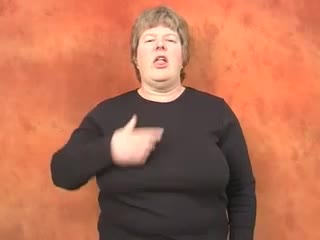
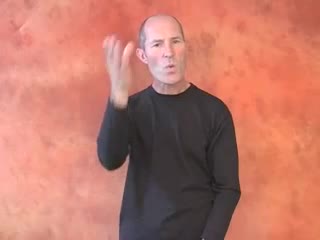
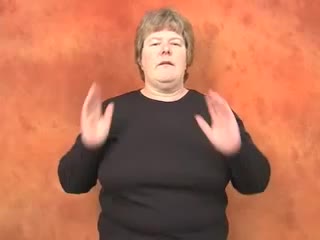
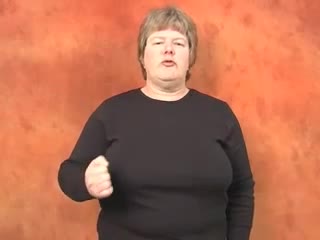
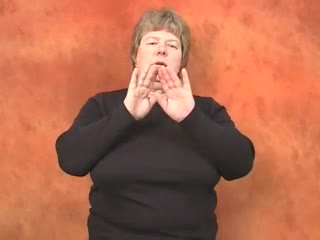
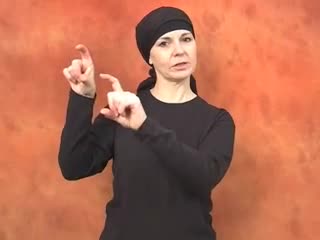
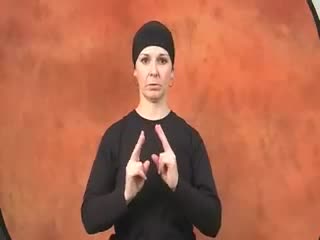
You'll begin with both of your hands forming a flat handshape, fingers held together and extended straight. Keep your thumbs tucked in neatly against the palms or alongside the index fingers; avoid letting them stick out as this can alter the clarity of your sign. Both hands will maintain this open, flat configuration throughout the sign, representing the general boundaries or surfaces of a location.
Step 2: Hand Placement and Location
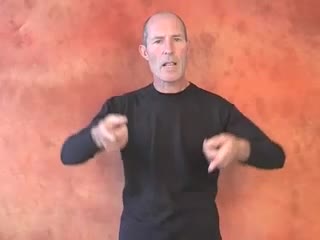
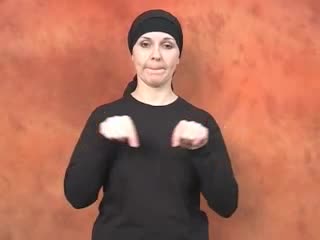
Position your dominant hand out in front of your body, around chest height, with the palm facing downwards. Your non-dominant hand should be placed just beneath your dominant hand, also with its palm facing downwards, creating a parallel alignment. Imagine they are forming a conceptual 'floor' and 'ceiling' or perhaps the outline of an area.
Step 3: Movement
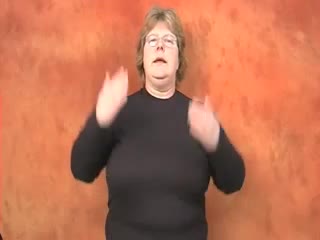
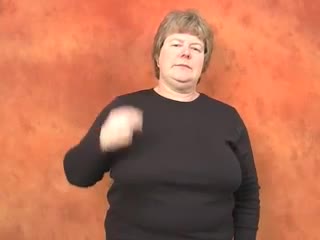
With both hands held flat and parallel to each other, you'll perform a gentle, slightly downward sweeping motion, moving them simultaneously a short distance away from your body. After this initial sweep, bring them back towards your body, tracing the same path, completing a subtle "in and out" or "back and forth" movement. This motion can be repeated once or twice, conveying the notion of an enclosed or defined space.
Step 4: Facial Expression and Mouthing
A neutral facial expression is typically appropriate for the sign "premises" as it's a straightforward noun without inherent emotional content. However, your mouth pattern, or mouthing, should reflect the English word "premises" clearly. You'll mouth the full word, articulating "premises" silently or very softly, which provides crucial contextual information and aids comprehension in BSL communication.
Step 5: Palm Orientation
Throughout the entire signing process, the palms of both your dominant and non-dominant hands will face downwards towards the floor. This consistent palm orientation reinforces the idea of a flat, level surface or a defined area, which is central to the meaning of "premises" in British Sign Language. Maintaining this downward orientation helps to visually establish the concept of a physical space.
"premises" in BSL - Quick Reference Snapshot
- Handshape: Both hands flat, fingers extended, thumbs tucked.
- Location: In front of the chest, non-dominant hand slightly below dominant.
- Movement: Gentle, parallel in-and-out sweep, repeated.
- Facial Expression: Neutral.
- Dominant Hand: Leads the movement, both hands work together.
- Palm Orientation: Downwards for both hands.
5 Memorisation Tricks for the BSL Sign "premises"
Here are some helpful strategies to really embed the sign for "premises" into your BSL vocabulary.
- Visual Mnemonic: Picture your flat hands creating the 'floor' and 'ceiling' of a building. As they sweep out and in, imagine them outlining the physical boundaries of a property, helping you recall the specific movement and handshape.
- Muscle-Memory Drill: Practice the sweeping motion ten times every time you enter or exit a building. This repetitive action will build kinetic memory, making the movement feel natural and intuitive for the BSL premises sign.
- Meaning Connection: Think of the word "premises" as encompassing the entire area of a location. Your hands are illustrating this enclosure, moving as if tracing the perimeter or the general space occupied by a building or establishment.
- Common-Confusion Tip: Be careful not to let your fingers splay or curl too much; the flat handshape is key. Many learners inadvertently turn it into a 'building' sign if they alter the handshape, so maintain that flat, level surface.
- Daily-Life Practice: Whenever you hear or read about a shop, office, or venue, pause for a moment and sign "premises" in BSL. Integrating it into your internal monologue will solidify the sign's connection to the concept.
Real-Life Situations to Use the BSL Sign for "premises"
You'll discover many practical opportunities to use the BSL sign for premises in everyday communication.
- When asking about a specific location, you might sign "SHOP PREMISES OPEN?" to inquire if a store is accepting customers. Here, the sign helps define the type of physical space you're referring to.
- Describing an event, you could explain "PARTY PREMISES NEAR RIVER," using spatial grammar to indicate the party's location is situated close to the riverbank. This clearly establishes the venue's general area.
- If you're discussing a safety regulation, you might sign "NO SMOKING PREMISES HERE" to state that smoking is prohibited within the defined area. The sign emphasizes the restricted zone.
- Perhaps you're pointing out a new development, "BIG PREMISES BUILDING NEW," indicating large structures are under construction. This conveys the scale and type of property being developed.
Top 3 Mistakes Learners Make Signing "premises" in BSL
It's completely normal to make a few errors when you're first learning a new sign; here are some common ones for "premises" and how to refine your technique.
- Incorrect Handshape: A frequent mistake involves letting fingers separate or curling them, resembling a different sign like "place" or even "house." The precise correction is to keep your fingers tightly together and perfectly flat, ensuring your hands truly represent a flat surface or defined area.
- Lack of Parallel Movement: Sometimes learners move only one hand or fail to keep both hands parallel and level during the sweep. Ensure both your dominant and non-dominant hands move in unison, maintaining their exact distance and orientation throughout the entire motion, like two flat planes moving together.
- Forgetting Mouthing: Beginners might focus so much on the manual components that they neglect the essential non-manual feature of mouthing. Remember to clearly mouth the word "premises" while signing; this is a vital part of the BSL grammar and helps distinguish it from similar-looking signs.
Fascinating Facts About the BSL Sign for "premises"
Exploring the nuances of a sign often reveals deeper insights into its form and function within BSL.
- The sign for premises is an iconic sign, visually representing the flat, level ground or the general area of a building, which makes it relatively intuitive to grasp for many new learners.
- While the core sign is widely understood, you might observe slight regional variations in the speed or extent of the movement within different BSL-using communities across the UK.
- Its clear, two-handed structure helps to distinguish it from many single-handed signs that might otherwise cause confusion for a similar concept.
- The downward palm orientation of both hands is crucial; changing it to face upwards could mistakenly imply an open space above rather than an enclosed property.
- This sign often serves as a classifier, a grammatical feature in BSL, where the hands can then be used to further describe the shape or layout of the specific premises being discussed.
"premises" in Deaf Culture - Community and Identity
The concept of "premises" holds significance in Deaf culture, especially when discussing access, community spaces, and events. Finding suitable premises that are accessible to Deaf people, ensuring good lighting for clear visibility, and enough space for signing comfortably are always important considerations. Deaf clubs and community centres are vital premises, providing dedicated spaces for socialising, learning, and cultural exchange, which strengthens community bonds and identity. When Deaf people refer to their local club or a specific meeting place, the sign "premises" carries with it a sense of belonging and cultural importance, more than just a mere location. It's about having a place where one feels completely at home and understood.
Example Conversations Using "premises" in BSL
Let's see how "premises" fits into practical BSL sentences, giving you a feel for its natural use.
English: Are these premises safe for the children? - BSL structure: PREMISES SAFE CHILDREN Q-FACIAL-EXPRESSION?
English: We need to rent new premises for our business. - BSL structure: OUR BUSINESS NEW PREMISES RENT NEED.
English: The concert premises are quite large. - BSL structure: CONCERT PREMISES LARGE.
English: They decided to expand their premises. - BSL structure: THEY DECIDE PREMISES EXPAND.
English: What time do the premises close tonight? - BSL structure: PREMISES CLOSE TONIGHT WHAT TIME?
Frequently Asked Questions: The BSL Sign for "premises"
Is the BSL sign for "premises" the same across the whole UK?
While the core sign for "premises" is broadly consistent throughout the UK, minor regional variations in the speed or exact height of the movement might exist. However, the fundamental handshape and direction of movement will generally remain recognisable to most BSL users. Don't worry too much about slight differences; focus on the main components.
Are there any similar signs I should avoid confusing with "premises" in BSL?
Yes, learners sometimes confuse "premises" with signs like "place" or "building" if the handshape isn't precise. Always remember to maintain perfectly flat hands with fingers together for "premises" to distinguish it clearly from other signs that might involve bent fingers or different movements. Attention to detail truly matters here.
Is the sign for "premises" suitable for beginners in BSL?
Absolutely, "premises" is a fantastic sign for BSL beginners to learn early on because it's visually iconic and very practical in daily conversation. Mastering this sign provides a solid foundation for discussing locations and helps build confidence in using two-handed signs. It's an accessible sign that quickly becomes useful.
Can children easily learn the BSL sign for "premises"?
Children can definitely learn the BSL sign for "premises" quite easily, especially with visual aids and playful repetition. Relating the sign to places they know, like their school or a favourite shop, helps them connect the abstract concept to their concrete experiences. Making it fun and relevant will aid their learning process significantly.
How does the BSL sign for "premises" compare to the equivalent in other sign systems?
The BSL sign for "premises" is unique to British Sign Language, reflecting its own linguistic and cultural development. While the *concept* of premises exists in all sign languages, their manual representations will differ significantly, often employing distinct handshapes, locations, and movements. Each sign language develops its vocabulary independently, so direct comparisons are rarely exact.
Signs That Pair Naturally with "premises" in BSL
To truly build your BSL vocabulary, it helps to learn signs in clusters, and "premises" connects well with many others.
- BUILDING: This sign complements "premises" as it often refers to the specific structure within the general area of the premises. Learning them together helps differentiate between the physical structure and the broader property.
- LOCATION: Understanding "location" provides a more general term for a place, while "premises" specifies a more defined or commercial property. They're excellent for discussing where things are.
- RENT: You'll often discuss renting premises for a business or living, so this sign naturally follows "premises" in conversation about property.
- OWN: Similar to "rent," "own" helps you talk about the legal status of the premises, whether it's bought or leased.
- ADDRESS: Once you've established the general premises, you might need to specify the exact "address" for clarity, making them a logical pair.
- OPEN/CLOSED: These signs are frequently used in conjunction with "premises" to indicate if a business or facility is accessible to the public at any given time.
Building Fluency: How to Practise "premises" in BSL
To truly make the BSL sign for premises your own, consistent and varied practice is essential, helping it flow naturally from your hands. Try standing in front of a mirror to observe your handshape and movement; ensure both hands remain flat and parallel as you sweep them. Make a conscious effort to integrate "premises" into your daily BSL conversations, perhaps by describing places you visit or pass by. Filming yourself signing can provide incredibly valuable feedback, allowing you to catch any subtle misalignments or forgotten mouth patterns. Better yet, seek out a Deaf conversation partner; they can offer invaluable real-time corrections and contextual usage tips. Remember, spaced repetition over several days will solidify your muscle memory far more effectively than one long session.