What Is the BSL Sign for "nylon"?
Have you ever considered how many everyday items owe their existence to one remarkable synthetic material? From your waterproof jacket to durable carpets, nylon is everywhere, and communicating about it effectively in British Sign Language is a valuable skill. Understanding the BSL sign for nylon connects you directly to discussions about fabric types, clothing, and various household goods within the Deaf community. This specific sign isn't just a simple gesture; it's a precise movement that conveys the essence of this versatile material, making it a crucial piece of vocabulary for anyone learning British Sign Language nylon.
How to Sign "nylon" in British Sign Language - Step-by-Step
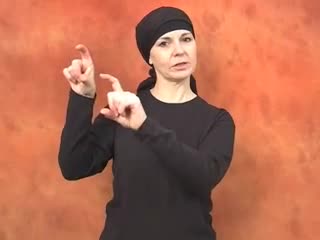
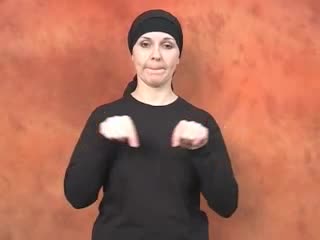
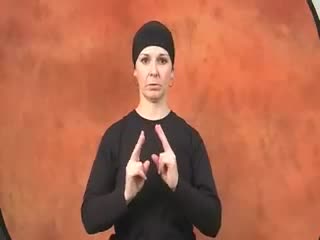
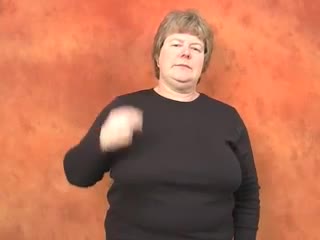
Mastering the BSL sign for "nylon" involves a nuanced combination of handshape, placement, and movement that beautifully embodies the material itself.
Step 1: Handshape
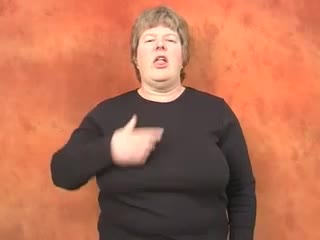
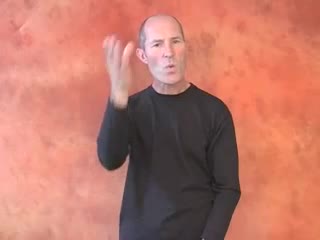
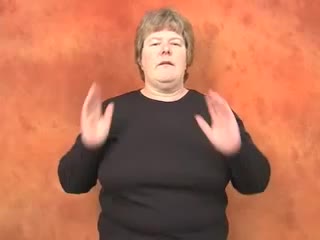
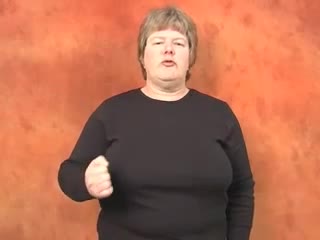
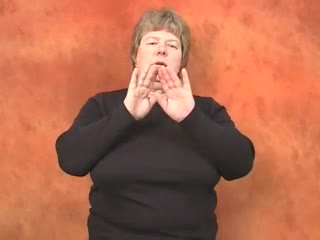
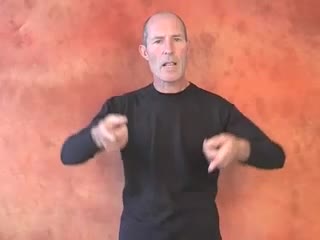
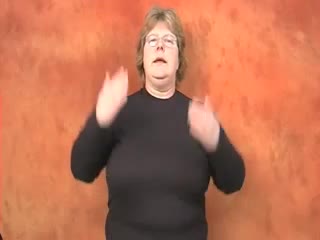
For this sign, you'll want to form a very specific handshape with your dominant hand. Begin by extending your index finger straight upwards, keeping it firm and pointed. Your thumb should tuck neatly against the side of your palm, resting below your index finger. The remaining three fingers-your middle, ring, and little fingers-should curl downwards and rest against your palm, ensuring they are not extended or splayed out. This creates a clear, defined '1' handshape where only the index finger is prominently presented.
Step 2: Hand Placement and Location
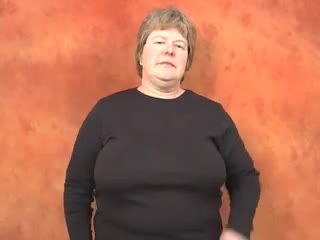
Now, let's consider where you'll position this handshape in your signing space. Bring your dominant hand, with the index finger extended, up to the area just in front of your chest or upper torso. Your hand shouldn't be touching your body, but rather held a comfortable distance away, perhaps about six to eight inches out. This neutral signing space allows for clear visibility and ease of movement, ensuring the sign is easily perceived by your conversational partner.
Step 3: Movement
This sign involves a subtle yet distinct movement that evokes the texture or quality of nylon. From its initial position, you'll perform a small, gentle flicking or "scratching" motion with your extended index finger. Picture yourself lightly "scratching" the air with the tip of your index finger, moving it quickly forward and then back towards your body a very short distance. This action is usually repeated once or twice, creating a brief, sharp, almost abrasive sensation, much like the feel of certain nylon fabrics.
Step 4: Facial Expression and Mouthing
Non-manual features are absolutely essential in British Sign Language, and the sign for "nylon" is no exception. While there isn't a specific, strongly emotive facial expression typically associated with this particular sign, maintaining a neutral and engaged facial expression is always appropriate. Crucially, you should mouth the word "nylon" as you execute the sign. This mouthing helps to clarify the specific word being signed, particularly for signs that might look similar or when context might be ambiguous, adding a vital layer of linguistic information to your communication.
Step 5: Palm Orientation
Throughout the execution of the sign, your palm orientation plays a significant role in its clarity and correct interpretation. Initially, as you position your hand, your palm should be facing generally towards your non-dominant side, or slightly angled forward. As you perform the flicking movement with your index finger, the palm orientation remains relatively consistent, maintaining that same outward-facing or slightly sideways direction. This steady orientation ensures that your extended index finger is clearly visible and the precise movement is easily observed by the person you're communicating with, preventing any potential misinterpretations of the sign's direction or intent.
"nylon" in BSL - Quick Reference Snapshot
For a rapid reminder of how to sign "nylon" in British Sign Language, here's a concise overview:
- Handshape: Dominant hand with index finger extended, others curled, thumb tucked (a '1' handshape).
- Location: In front of the upper chest or torso area, not touching the body.
- Movement: Small, quick flicking or "scratching" motion with the index finger, repeated once or twice.
- Facial Expression: Neutral and engaged, with clear mouthing of "nylon."
- Dominant Hand: Used exclusively for this sign.
- Palm Orientation: Initially facing towards the non-dominant side or slightly forward, maintaining this throughout.
5 Memorisation Tricks for the BSL Sign "nylon"
Learning new signs can feel like a challenge, but with a few clever tricks, "nylon" will stick in your memory. Try these five specific tips to really embed the British Sign Language sign for nylon:
- Visual Mnemonic: The "Scratchy Fabric" Feel. Picture the slightly coarse, synthetic texture of a piece of nylon fabric. The extended index finger in this sign performs a small, sharp flicking motion, almost as if you're testing the "scratchiness" or smooth, taut feel of the material with your fingertip. This direct connection to the physical sensation of nylon will make the handshape and movement much more intuitive.
- Muscle-Memory Drill: Repetitive Flick. Stand in front of a mirror and practice the precise flicking motion with your index finger for thirty seconds straight, focusing on the sharpness and quickness of the movement. Your hand should feel like it's lightly "pinging" the air, helping your muscle memory associate this specific action with the word itself, making the BSL nylon sign feel natural.
- Connection to the Word's Meaning: A Synthetic Start. Think about "nylon" as a man-made, strong fibre. The sign's precise, almost sharp movement can be linked to the idea of its manufactured strength or the crispness of a newly woven synthetic material. This conceptual link helps you recall the distinct action required, rather than just a random gesture.
- Common-Confusion Tip: Not a Point. Many beginners might be tempted to simply point with the index finger. Remember, the sign isn't just an extended finger; it requires that very specific, small, repeated flicking motion. Always ensure you're performing the subtle movement rather than just a static pointing gesture, as this distinct action is what communicates "nylon" in sign language.
- Daily-Life Practice: Material Check. Throughout your day, whenever you encounter something made of nylon-a bag, a pair of tights, a toothbrush handle-take a moment to sign "nylon" in BSL. This constant, real-world reinforcement helps you connect the visual sign with the actual object, solidifying the vocabulary in a meaningful context.
Real-Life Situations to Use the BSL Sign for "nylon"
Incorporating new signs into practical conversations is the best way to build fluency. Here are some realistic scenarios where you'd naturally use the BSL sign for nylon:
- Imagine you're at a shop, trying to ask a Deaf friend about the material of a particular item. You might sign, "THIS JACKET, MATERIAL WHAT?" followed by signing "NYLON?" with a questioning facial expression, indicating you're asking if it's made of nylon.
- Perhaps you're describing the benefits of a specific product, like a durable backpack. You could explain, "MY BAG, MATERIAL NYLON. STRONG, WATERPROOF." using the sign for "nylon" to specify the composition, with a clear, assertive BSL structure.
- During a conversation about clothes, you might express a preference or dislike. "I LIKE THIS SHIRT, BUT NYLON, I DON'T LIKE." Here, the sign for "nylon" is integrated into a negative statement, showing your personal opinion about the fabric.
- If you're discussing household repairs or crafts, you might need to specify a particular type of thread. "NEED THREAD. NYLON THREAD, YOU HAVE?" This shows the sign used in a question about availability, demonstrating its utility in practical requests.
Top 3 Mistakes Learners Make Signing "nylon" in BSL
Every learner makes mistakes, and that's perfectly normal! Identifying common pitfalls helps you refine your signing and gain confidence. Here are the top three errors learners often make with the BSL sign for "nylon" and how to correct them:
-
Mistake 1: Incorrect Handshape. Many beginners might use a slightly open hand, or even extend other fingers along with the index, failing to tuck the thumb and curl the other fingers properly. This can make the sign unclear or even resemble a different sign entirely.
Correction: Always ensure your dominant hand forms a crisp '1' handshape. Your index finger should be the sole extended digit, with the thumb held close to the palm and the remaining three fingers tightly curled down. Practice holding this specific handshape firmly before attempting the movement, making sure it’s precise.
-
Mistake 2: Missing the Movement. Learners sometimes extend their index finger but don't perform the distinct flicking or "scratching" motion, effectively just holding a static handshape. Without the movement, the sign loses its meaning and won't be recognised as "nylon" in sign language.
Correction: Remember that the movement is integral. Execute a small, quick, repeated flick with your index finger. Think of it as a sharp, almost percussive action that briefly moves forward and then returns, rather than a gentle wiggle or a still hold. The BSL sign for nylon depends on this dynamism.
-
Mistake 3: Neglecting Mouthing. Especially when signs seem straightforward, learners might forget to mouth the corresponding English word. Forgetting to mouth "nylon" can lead to confusion, as visual context isn't always enough to differentiate similar signs or clarify specific vocabulary.
Correction: Make mouthing the word "nylon" an automatic part of the sign. Practice saying the word clearly and naturally as you perform the handshape and movement. This non-manual feature provides crucial clarification and reinforces your British Sign Language communication.
Fascinating Facts About the BSL Sign for "nylon"
Every sign has a story or an interesting characteristic that makes it unique. Here are some fascinating insights into the BSL sign for "nylon":
- Unlike many older signs in BSL that have centuries of history, the sign for "nylon" is relatively modern, reflecting the material's invention and widespread adoption in the 20th century. Its creation likely followed the need to discuss this new, popular fabric.
- The iconic motivation behind the form of the sign is quite strong; the sharp, flicking motion of the index finger often directly references the tactile sensation of certain nylon fabrics, which can feel smooth yet distinct, almost "scratchy" or "slippery" to the touch. It's a sign that aims to mimic the experience of the material itself.
- While the core sign for "nylon" is widely understood across the BSL-using community, you might occasionally encounter slight regional variations in the speed or intensity of the flicking movement, though the fundamental handshape and location remain consistent. These minor nuances contribute to the rich tapestry of regional BSL dialects.
- The sign doesn't directly derive from the manual alphabet (finger-spelling the letters N-Y-L-O-N), but its simplicity and clarity make it instantly recognisable once learned, highlighting how BSL prioritises iconic representation over letter-by-letter translation for common words.
- This particular sign demonstrates BSL's efficiency; rather than needing a descriptive phrase for "synthetic strong fabric," a single, concise sign effectively communicates the concept of "nylon," showcasing the economy of movement inherent in the language.
"nylon" in Deaf Culture - Community and Identity
While "nylon" itself is a material, its communication within the Deaf community, like all vocabulary, weaves into the fabric of shared experience and identity. Discussing materials like nylon allows for practical, everyday conversations about clothing, accessories, and household items, fostering connection and shared understanding. When Deaf individuals talk about their favourite sportswear or a new coat, the ability to specify "nylon" adds precision to their descriptions, enhancing their ability to express preferences and share information within their community. This sign, alongside a host of others for different materials, enables a rich dialogue about consumer choices, fashion, and the practicalities of daily life, reinforcing the collective understanding of the world around them. It's through these shared linguistic tools that cultural identity is both expressed and maintained, making even simple words like "nylon" an important part of community interaction.
Example Conversations Using "nylon" in BSL
Let's see the BSL sign for "nylon" in action within some practical sentences:
English: Is this bag made of nylon? - BSL structure: BAG THIS, MATERIAL NYLON? (with raised eyebrows for question)
English: I need some strong nylon rope. - BSL structure: I NEED ROPE. STRONG NYLON. (emphasising "strong" before "nylon")
English: These tights are made from a blend of nylon and lycra. - BSL structure: TIGHTS THESE, NYLON LYCRA MIX. (using a blending gesture for "mix")
English: He prefers jackets that aren't nylon. - BSL structure: JACKET HE PREFER, NYLON NOT. (using a negative headshake with "not")
English: We bought a new nylon carpet for the stairs. - BSL structure: STAIRS CARPET NEW, NYLON. (placing "nylon" as a descriptor after the item)
Frequently Asked Questions: The BSL Sign for "nylon"
What is the BSL sign for "nylon" and is it difficult for beginners?
The BSL sign for nylon involves a distinct '1' handshape with a small, sharp flicking motion near the chest, accompanied by mouthing the word. For beginners, it's quite accessible because its movement is iconic, mimicking the texture of the material. Practising the precise handshape and movement consistently will help you master it quickly.
Are there regional variations for the BSL nylon sign?
While the fundamental handshape, location, and movement of the BSL nylon sign are generally consistent across regions where British Sign Language is used, you might observe slight variations in the intensity or speed of the flicking motion. These differences are typically minor and don't usually hinder understanding within the broader Deaf community.
Which signs are similar to the British Sign Language nylon sign, and how can I avoid confusion?
A common point of confusion could be with signs that involve an extended index finger, like "ONE" or certain classifiers. The key to avoiding confusion with the BSL nylon sign lies in its unique, repeated flicking movement and specific location near the chest. Always ensure you perform the distinct action, not just a static handshape, and combine it with mouthing "nylon" for clarity.
Is the BSL sign for "nylon" appropriate for children learning sign language?
Absolutely, the BSL sign for "nylon" is perfectly suitable for children. Its iconic nature, mimicking the feel of the material, makes it quite memorable and fun for young learners. Encouraging children to connect the sign with real-world nylon objects, like clothes or toys, can make the learning process even more engaging and effective.
How does the British Sign Language sign for 'nylon' compare to equivalents in other sign languages?
Signs for materials like "nylon" can vary significantly across different sign languages around the world. While the British Sign Language sign for nylon uses a specific '1' handshape with a flicking motion to convey the material, other sign languages may employ entirely different handshapes, locations, or movements to represent the same concept, reflecting their own linguistic and cultural nuances.
Signs That Pair Naturally with "nylon" in BSL
Building your vocabulary means knowing which signs naturally go together. Here are some BSL signs that pair beautifully with "nylon," helping you discuss fabrics and materials more broadly:
- FABRIC/CLOTH: This general sign for material is an excellent companion, allowing you to ask "WHAT FABRIC?" before specifying "NYLON?"
- COTTON: Often contrasted with synthetic materials, learning "cotton" alongside "nylon" helps you discuss natural versus man-made fibres.
- WOOL: Another natural fibre, useful for comparing different textures and properties when discussing clothing or blankets.
- WATERPROOF: Many nylon items are waterproof, making this a natural sign to use when describing the properties of a nylon product.
- STRONG: Nylon is known for its strength and durability; therefore, signing "strong" in conjunction with "nylon" enhances your descriptions of items like ropes or bags.
- SHIRT/JACKET/BAG: Learning common clothing items or accessories allows you to apply "nylon" in context, for example, "NYLON JACKET."
Building Fluency: How to Practise "nylon" in BSL
Consistent practice is the cornerstone of fluency, and truly embedding the BSL sign for "nylon" requires a thoughtful approach. Start by using a mirror to observe your dominant hand's shape and the precise flicking movement; this self-correction is invaluable for perfecting the BSL nylon sign. Next, actively integrate it into your daily conversations about clothing or household items, even if you're just signing to yourself, strengthening the mental link between the word and its visual representation. Consider filming yourself signing "nylon" and then watching it back, paying close attention to whether your handshape is clear, your movement distinct, and your mouthing visible. The ultimate step is to seek out a Deaf conversation partner, as their feedback and natural usage will refine your signing in ways individual practice cannot. Remember, revisiting the sign over several days, rather than cramming, helps solidify it in your long-term memory, making the British Sign Language sign for nylon a natural part of your signing repertoire.