What Is the BSL Sign for "mallet"?
Imagine needing to describe a specific tool, one that's sturdy and often wooden, used for striking without causing damage to the surface you're working on. How would you convey that in a visual language? Well, the
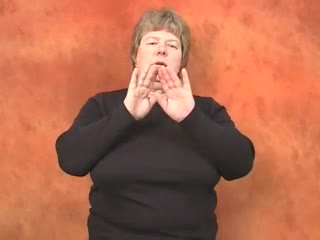
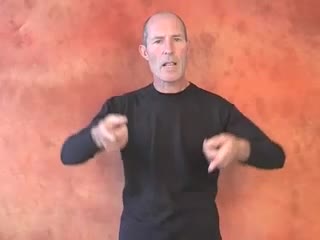
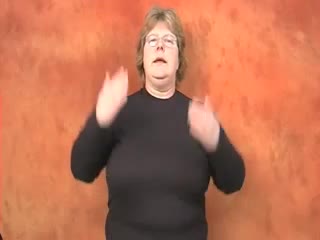
BSL sign for mallet precisely captures the essence of this particular implement, embodying its function and form with a distinctive handshape and movement. Connecting with the concept of a blunt, impactful strike, this sign enables clear communication when discussing carpentry, craftwork, or even a game of croquet within British Sign Language conversations. Understanding the
British Sign Language mallet sign unlocks another useful word in your growing vocabulary, letting you describe objects around you with greater precision.
How to Sign "mallet" in British Sign Language - Step-by-Step
Let's break down this useful sign for "mallet" into simple, memorable steps, guiding your hands as if you're demonstrating it right here.
Step 1: Handshape
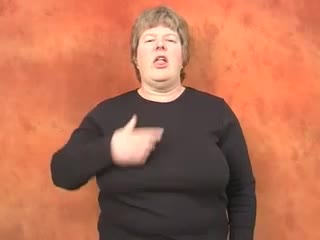
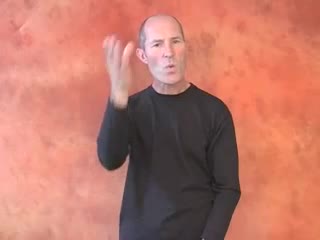
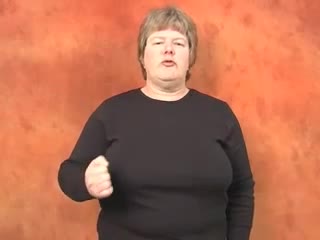
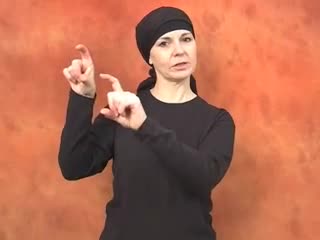
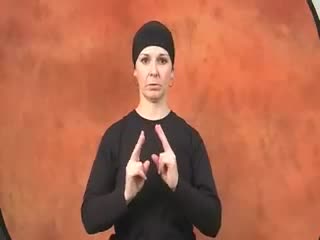
Begin by forming a loose fist with your dominant hand, keeping your thumb tucked comfortably against your palm or alongside your curled fingers. Your index, middle, ring, and little fingers should be gently curved inward, but not tightly clenched, creating a solid, rounded shape that suggests the head of a mallet. Think of it as holding the head of the tool itself, ready to make a controlled impact.
Step 2: Hand Placement and Location
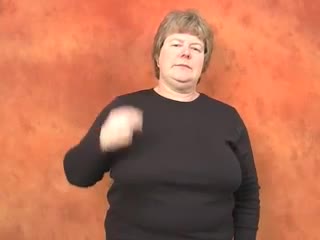
Position your dominant hand, formed into that loose fist, roughly at shoulder height, slightly to the side of your body. It shouldn't be too close to your chest or too far extended; aim for a natural, comfortable distance that mimics holding a small, weighty object. This initial placement sets the stage for the action that's about to unfold, simulating the ready position before striking.
Step 3: Movement
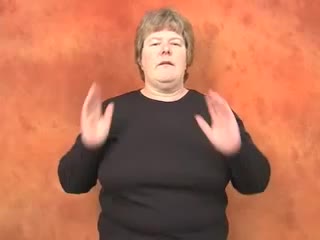
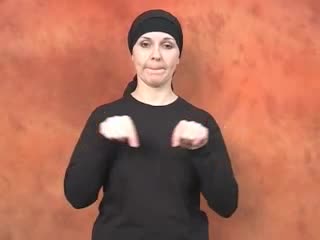
From its starting position, execute a short, decisive downward movement with your dominant hand, then immediately bring it back up to the initial height. This isn't a sweeping motion; instead, it's a sharp, controlled tap, much like striking a peg or chisel. You'll perform this distinct downward and upward motion twice in quick succession, conveying the repeated action of using a mallet to tap or hit.
Step 4: Facial Expression and Mouthing
While executing the hand movements, it's customary to mouth the word "mallet" clearly and naturally without voicing it aloud. This non-manual feature acts as a crucial linguistic component, confirming the specific word you're signing and aiding comprehension, particularly for hearing learners or in situations where context might be ambiguous. Your facial expression should remain neutral and engaged, focusing on the clarity of your mouth shape.
Step 5: Palm Orientation
Throughout the sign, your palm should face downward, oriented towards the ground. This consistent palm orientation reinforces the visual representation of the mallet's head striking a surface below. Maintaining this downward focus ensures the sign's meaning remains clear, distinguishing it from other signs that might involve a similar handshape but with different directional applications.
"mallet" in BSL - Quick Reference Snapshot
Here's a rapid overview of the "mallet" sign in BSL for quick recall:
Handshape: Loose fist with fingers gently curved, thumb tucked.
Location: Dominant hand at shoulder height, slightly to the side of the body.
Movement: Two short, sharp downward and upward taps.
Facial Expression: Neutral, accompanied by mouthing "mallet".
Dominant Hand: Performs all actions.
Palm Orientation: Downward, facing the ground throughout the sign.
5 Memorisation Tricks for the BSL Sign "mallet"
Learning new signs can feel like a big task, but with a few clever tricks, you'll have "mallet" down in no time. Here are some strategies that truly help solidify this sign in your memory.
Visualise the Tool: Picture a small, sturdy mallet in your hand. The loose fist handshape perfectly mimics the solid, rounded head of the tool, while the tapping motion directly represents its function. This mental image creates a strong, direct link between the sign and the object it describes.
Muscle Memory Drill: Perform the sign repeatedly while thinking about its purpose. Stand in front of a mirror and practice the two sharp, controlled taps, focusing on the feeling of precision in your wrist and forearm. Engaging your muscles in this specific way helps your body remember the movement even before your conscious mind does.
Connect to the Word's Meaning: Think about how a mallet is used – for gentle but firm striking, often in crafts or to assemble something. The double tap of the BSL sign perfectly embodies this action, making the physical movement a direct representation of the verb "to tap" or "to strike gently." This functional connection gives the sign deeper meaning.
Distinguish from "Hammer": A lot of new learners might confuse this with a hammer sign, but remember a mallet is about softer, broader impact. The mallet sign features a looser fist and a more controlled, less aggressive tap compared to the often more forceful, singular striking motion associated with a hammer. Pay attention to the subtle differences in hand tension and movement intensity.
Integrate into a Short Phrase: Try signing "I need a mallet" or "Where's the mallet?" with your new sign. Using it immediately in a simple, practical context helps embed it into your active signing vocabulary rather than just a standalone gesture. This active recall practice is much more effective than passive memorisation.
Real-Life Situations to Use the BSL Sign for "mallet"
Knowing a sign is one thing; knowing how to use it in everyday conversation is quite another. Here are some practical scenarios where the BSL sign for "mallet" would come in handy, showing you how it integrates into meaningful sentences.
Discussing DIY Projects: You might sign, "I need a mallet to assemble this flat-pack furniture," using the sign after "need" and perhaps pointing to the furniture, showing its application.
Playing Games: During a game of croquet, you could ask, "Do you have the mallet?" with an inquisitive facial expression, indicating a question and referring to the game equipment.
Crafting Conversations: A friend might be working on a leather project, and you could comment, "That mallet looks really useful for shaping the leather," demonstrating the sign with a supportive nod.
Asking for a Specific Tool: When assisting someone in a workshop, you could clarify, "Are you looking for the mallet, not the hammer?" contrasting the two tools with distinct signs and a questioning look.
Top 3 Mistakes Learners Make Signing "mallet" in BSL
It's completely normal to make a few slip-ups when you're first learning a new sign. Understanding common errors helps you avoid them, so let's look at the top three missteps learners often encounter with "mallet."
Using a Tense Fist: Many beginners clench their dominant hand too tightly, making a hard, rigid fist. This changes the visual representation from a sturdy mallet head to something more akin to a punch, potentially confusing the meaning. The correction involves relaxing your hand slightly, creating a loose, rounded fist that suggests the broader, less aggressive impact of a mallet.
Incorrect Number of Taps: Sometimes, learners might perform only one tap or too many, losing the specific rhythm of the sign. The BSL sign for "mallet" distinctly involves two sharp, controlled downward taps. To fix this, consciously count "one, two" as you practice the movement, ensuring the correct repetition count becomes second nature.
Confusing Movement with "Hammer": A very common mistake is to perform a more forceful, singular, sweeping motion, which resembles the sign for "hammer." This often happens because both are striking tools. The key difference is that "mallet" uses two gentler, more contained taps, focusing on precise impact rather than raw power. Concentrate on the controlled, double-tap action to differentiate it clearly.
Fascinating Facts About the BSL Sign for "mallet"
Every sign has a story, and uncovering these details makes learning BSL even more enriching. Here are some intriguing insights into the BSL sign for "mallet" that you might not have known.
Iconic Motivation: The sign for "mallet" is highly iconic, meaning its form directly mimics the action and appearance of the object it represents. The handshape clearly resembles the tool's head, and the repeated tapping motion directly illustrates its use, making it intuitively understandable even to new learners.
Efficiency in Communication: This sign demonstrates BSL's remarkable efficiency; a complex concept like "a tool for striking without marring surfaces" is distilled into a concise, instantly recognisable gesture. It's a testament to how BSL conveys rich information visually.
Regional Consistency: While some BSL signs exhibit significant regional variations across the UK, the sign for "mallet" tends to be quite consistent. You'll find this particular sign understood and used in much the same way whether you're signing in London, Manchester, or Glasgow, which is helpful for learners.
Relationship to "Tap": The movement within the "mallet" sign shares a common kinesthetic root with other BSL signs involving light impact or tapping. This underlying connection reveals how BSL builds related concepts using similar physical gestures, creating a coherent linguistic system.
"mallet" in Deaf Culture - Community and Identity
While "mallet" might seem like a simple tool, its presence in BSL highlights the rich, practical vocabulary that has evolved within the Deaf community. Signs like this empower Deaf individuals to discuss the full spectrum of human experience, from complex philosophical ideas to everyday objects and tasks. The ability to precisely name a tool like a mallet in BSL underscores a commitment to self-sufficiency and the diverse interests within the community, whether it's woodworking, crafting, or even just fixing things around the house. It's about having the linguistic tools to navigate the world independently and share those experiences fully. Moreover, the shared understanding of such signs fosters a sense of collective identity, strengthening bonds as people communicate about their hobbies, work, and daily lives with complete fluency.
Example Conversations Using "mallet" in BSL
Seeing a sign in action really helps it click into place. Here are five practical example sentences incorporating the BSL sign for "mallet," showing how it fits into different conversational contexts.
English: Do you have a mallet I can borrow for this project?
BSL structure: YOU HAVE MALLET I CAN BORROW PROJECT THIS?
English: The carpenter used a wooden mallet to gently tap the joint into place.
BSL structure: CARPENTER USE WOODEN MALLET GENTLY TAP JOINT IN PLACE.
English: We need to find the croquet mallet before the game starts.
BSL structure: CROQUET MALLET NEED FIND BEFORE GAME START.
English: Be careful with that rubber mallet; it can still make a dent.
BSL structure: BE CAREFUL RUBBER MALLET STILL CAN DENT.
English: Which mallet should I use for carving this soft stone?
BSL structure: WHICH MALLET I SHOULD USE CARVE SOFT STONE THIS?
Frequently Asked Questions: The BSL Sign for "mallet"
Is there a common regional variation for the BSL sign for "mallet" in the UK?
Generally, the BSL sign for "mallet" is quite consistent across different regions of the United Kingdom. While some signs can have distinct regional differences, this particular sign, due to its iconic nature, tends to be understood and used uniformly from the North to the South. You're unlikely to encounter significantly different versions of it in different cities.
Are there any BSL signs that are often confused with "mallet"?
New learners sometimes confuse the BSL sign for "mallet" with the sign for "hammer" or even a simple "tap." The key to distinguishing "mallet" lies in its looser fist and the specific double-tapping motion, which implies a broader, less forceful impact compared to the single, more aggressive strike of a "hammer." Careful attention to the handshape and movement repetition helps clarify the meaning.
Is the BSL sign for "mallet" suitable for beginners, or is it more advanced?
The BSL sign for "mallet" is absolutely suitable for beginners! It’s quite iconic and easy to visualise, making it a relatively straightforward sign to learn and remember. The handshape is simple, and the movement directly mimics the tool's function, which helps reinforce the concept for those just starting their BSL journey.
Can children easily learn and use the BSL sign for "mallet"?
Yes, children can very easily pick up and use the BSL sign for "mallet." Its clear visual representation and the tactile nature of the tapping movement make it engaging and memorable for younger learners. Incorporating it into play or craft activities can be a fantastic way for children to learn this sign and expand their BSL vocabulary.
How does the BSL sign for "mallet" compare to the sign for a mallet in American Sign Language (ASL)?
The BSL sign for "mallet" is distinct from its ASL counterpart. In ASL, the sign typically involves a different handshape and movement, often using a "S" handshape (a closed fist with the thumb over the fingers) and a singular, more pronounced downward strike. This highlights the independent development and unique linguistic features of different sign languages across the globe.
Signs That Pair Naturally with "mallet" in BSL
To truly become fluent, you need to think about how signs connect and build vocabulary clusters. Here are some signs that naturally pair with "mallet," helping you expand your BSL conversational toolkit.
HAMMER: This is an obvious pairing, as both are striking tools. Learning "hammer" alongside "mallet" helps you understand the crucial distinctions in their form and function.
TOOL: Since a mallet is a specific type of tool, learning the general sign for "tool" provides a broader category. You can then specify "mallet" after signing "tool."
BUILD/CONSTRUCT: Mallets are often used in building or construction. Knowing this verb allows you to discuss the activities where a mallet would be applied.
WOOD: Many mallets are made of wood, and they are frequently used in woodworking. Learning "wood" helps you describe the material of the mallet or the materials it interacts with.
TAP/HIT: The action of the mallet is to tap or hit. Understanding the general signs for these actions provides a conceptual link to the mallet's function.
CRAFTS: Mallets are common in various craft disciplines, such as leatherwork or carving. Pairing "mallet" with "crafts" opens up discussions about creative hobbies and projects.
Building Fluency: How to Practise "mallet" in BSL
Getting truly fluent means integrating new signs into your daily routine and making them feel natural. For the BSL sign for "mallet," here’s how you can really make it stick. Start by standing in front of a mirror and carefully observing your handshape and movement for "mallet"; focus on getting that loose fist and the two precise taps just right. Try to incorporate the sign into your internal monologue whenever you see a mallet, or even when you think about gentle striking actions, to build a strong mental connection. Consider filming yourself signing short sentences that include "mallet," then review the footage to refine your technique and facial expression. The most powerful way to solidify your learning is by finding a Deaf conversation partner or joining a local BSL group; using the sign in real-time, authentic dialogue will truly embed it into your active vocabulary. Keep practicing consistently over several days, and you'll soon be signing "mallet" with complete confidence and ease!