What Is the BSL Sign for "magnet"?
Curious about how to talk about attraction, force, and those wonderfully sticky objects in British Sign Language? You've come to the perfect spot! Learning the BSL sign for magnet opens up a whole new realm of conversation, from physics to fridge doors. This particular sign beautifully encapsulates the very essence of what a magnet does, giving you a visual cue that’s both descriptive and easy to remember. Getting this sign right helps you build foundational vocabulary in British Sign Language magnet and connect more deeply with the Deaf community.
How to Sign "magnet" in British Sign Language - Step-by-Step
Let's break down the sign for "magnet" with careful attention to each component, just like we would in a live class.
Step 1: Handshape
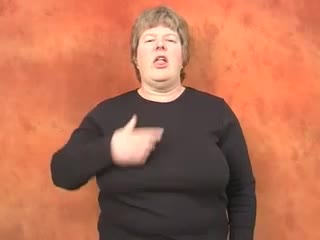
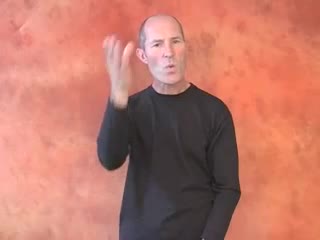
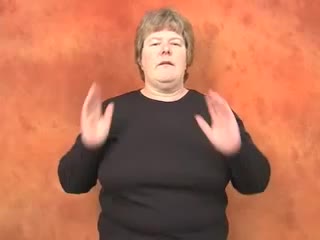
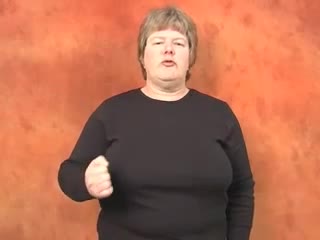
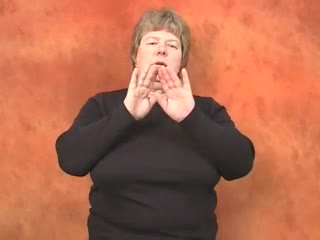
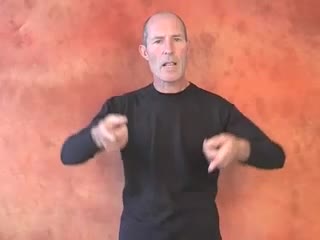
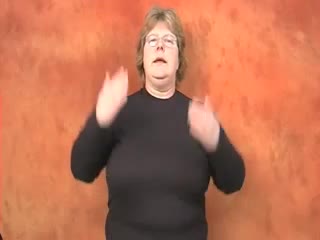
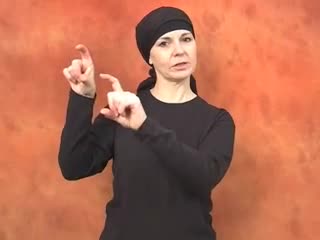
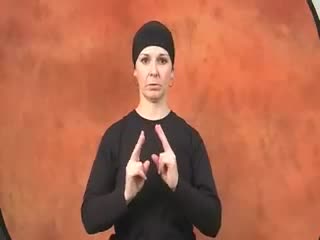
For this sign, you'll use both of your hands to form what we call a 'G' handshape. To achieve this, extend your index finger and your thumb, bringing their tips together to form a small, distinct circle. Meanwhile, curl your remaining three fingers – your middle, ring, and pinky fingers – tightly down into your palm. You'll prepare both your dominant and non-dominant hands in this precise configuration.
Step 2: Hand Placement and Location
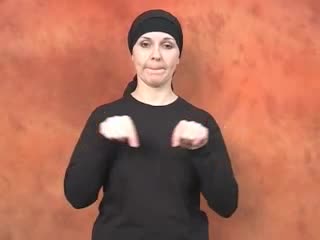
Position both hands, now in the 'G' handshape, in the neutral signing space directly in front of your chest. Imagine a line roughly at the height of your sternum; your hands will hover here. Keep them relatively close to your body, parallel to each other, with a comfortable gap of about 10 to 15 centimetres between the two. Your dominant hand should be on the side of your dominant arm, and your non-dominant hand mirroring its position on the other side.
Step 3: Movement
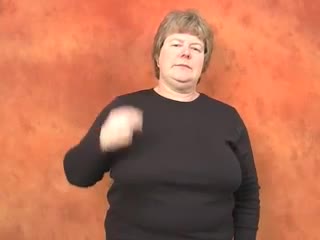
From their initial slightly-separated stance, you'll simultaneously bring both hands together with a clear, deliberate, and relatively quick motion. The goal is for the tips of the index finger and thumb of each hand to meet firmly in the centre, creating a gentle "snap" as they connect. Immediately after they meet, separate them slightly again by a few centimetres, then repeat the firm joining motion once more. This double "pulling together" truly conveys the attractive force.
Step 4: Facial Expression and Mouthing
Non-manual features are absolutely vital in British Sign Language; they convey grammatical information and add layers of meaning. When you sign "magnet," accompany the action with a focused, determined facial expression. A subtle narrowing of your eyes or a slight tightening of your lips helps to communicate the concept of force or attraction. You might also mouth "pull" or a concise "mmph" sound as your hands come together, reinforcing the visual sign with a phonetic cue.
Step 5: Palm Orientation
At the beginning of the sign, your palms will face each other directly, ready for the attraction. As your hands move inward and connect, there's a slight, natural rotation. This ensures the index finger and thumb tips meet squarely, rather than glancing off each other. Maintaining this inward-facing orientation throughout the movement clearly demonstrates the 'pulling' action, which is essential for the sign's meaning.
"magnet" in BSL - Quick Reference Snapshot
- Handshape: Both hands in 'G' shape (index finger and thumb tips touching, others curled).
- Location: In front of chest, at sternum height.
- Movement: Both hands move together firmly, meet, separate slightly, then meet again (twice).
- Facial Expression: Focused, determined; slight eye narrowing or lip tightening.
- Dominant Hand: Both hands are active and mirror each other.
- Palm Orientation: Palms facing each other initially, then rotating slightly inward as tips meet.
5 Memorisation Tricks for the BSL Sign "magnet"
- Visualise the Force: Picture two pieces of metal, each with a 'G' shaped clamp, suddenly snapping together due to an invisible pull. That repeated "snap-together" motion in front of your chest is exactly what the BSL magnet sign represents, making the invisible force visible.
- Muscle Memory Drill: Try signing "magnet" ten times in a row, focusing intensely on the sensation of your thumb and index finger tips meeting. Pay attention to the subtle tension in your forearms and the precise contact point; this repetition builds a strong connection between the concept and the physical action.
- Connect to Meaning: Think about what magnets *do* – they pull things together. The sign beautifully mimics this action with both hands converging, so whenever you see a magnet, immediately perform the sign. This direct association between object and sign will cement it in your memory.
- Avoid Confusion with 'Join': A lot of new learners might accidentally confuse this with signs for 'join' or 'meet'. Remember, for 'magnet', both hands start slightly apart and *pull* inward to touch, often with a slight repeat. Signs for 'join' might involve different handshapes or a single, sustained connection, so focus on that distinctive double-pull.
- Daily Life Practice: Whenever you open your fridge, reach for a magnetic whiteboard, or even think about the Earth's magnetic field, pause and practise the sign. Integrating "what is the sign for magnet" into your daily thoughts will make it second nature very quickly.
Real-Life Situations to Use the BSL Sign for "magnet"
- Imagine you're chatting about a science experiment with a Deaf friend. You could sign, "SCIENCE EXPERIMENT, WE NEED [sign: magnet] AND IRON FILINGS." The sign fits perfectly into the topic-comment structure of British Sign Language.
- Perhaps you're pointing out a new item on your fridge. You might sign, "LOOK, NEW [sign: magnet] ON FRIDGE." Here, the sign acts as a noun, directly referring to the object.
- If someone asks you about something attracting metal, you could explain, "THIS [sign: magnet] VERY STRONG, PULL METAL." You're using the sign descriptively to explain a property, demonstrating BSL's flexible word order.
- You might want to ask, "WHERE IS MY [sign: magnet]?" The question particle (like raised eyebrows) combined with the sign ensures clarity in your query.
Top 3 Mistakes Learners Make Signing "magnet" in BSL
- Incorrect Handshape: A common error involves not forming the 'G' handshape correctly, perhaps leaving other fingers slightly extended or not bringing the thumb and index finger tips precisely together. This can make the sign look unclear or even resemble a different sign. The fix is to consciously ensure those three non-involved fingers are fully curled into the palm, creating that distinct circular shape with your thumb and index finger.
- Missing the Double Movement: Beginners sometimes perform only a single "pull together" motion, or their movement might be too slow or tentative. This diminishes the sign's impact and can obscure its meaning. The correction is to practise that crisp, firm, and repeated attraction motion – hands meeting, separating slightly, then meeting again – to truly convey the strength of the magnetic force.
- Lack of Facial Expression: Forgetting the accompanying facial expression is another frequent mistake. Without that focused or determined look, the sign loses some of its communicative power and feels flat. Always remember to add that subtle brow furrow or lip tightening; it's an integral part of the sign's grammar and helps convey the 'pull' or 'force' aspect.
Fascinating Facts About the BSL Sign for "magnet"
- The iconic nature of the sign for magnet is striking; it visually represents the concept of attraction, making it quite intuitive for new learners. This direct correlation between the action and the sign's form is a hallmark of many effective signs.
- While core BSL signs are generally consistent, slight regional variations might exist in the speed or intensity of the repeated movement among different BSL-using communities. These subtle differences often highlight local preferences rather than altering the sign's fundamental meaning.
- The two-handed, symmetrical movement of this sign underscores a common linguistic feature in British Sign Language, where mirrored hand actions convey reciprocal or intense concepts. This symmetrical action ensures both hands are equally active in portraying the pulling force.
- You'll often find signs like "magnet" are learned relatively early by children in Deaf families because the concept of attraction is visually accessible and frequently encountered in play. Its clear, direct representation makes it easy for young signers to grasp.
- The sign doesn't derive directly from the manual alphabet, but its 'G' handshape is a common, versatile form used in many other BSL signs, showing how basic handshapes are repurposed for diverse meanings.
"magnet" in Deaf Culture - Community and Identity
The concept of "attraction" or "pulling together" as embodied by the sign for magnet resonates deeply within Deaf culture, often metaphorically reflecting the strong bonds and unity found within the community. Deaf people, who often navigate a hearing-centric world, find immense strength and identity in connecting with others who share their language and experiences. This sense of belonging, of being drawn together by a common cultural thread and a shared language, can be likened to a magnetic force. When you learn how to sign magnet in British Sign Language, you're not just acquiring a word; you're gaining a tool to discuss connections, forces, and the very things that draw people together. It's a sign that, while simple, can touch upon profound aspects of community and solidarity.
Example Conversations Using "magnet" in BSL
English: Do you have a strong magnet for this project? - BSL structure: TOPIC-COMMENT, QUESTION (PROJECT, MAGNET STRONG, YOU HAVE?)
English: The fridge magnet fell off again. - BSL structure: SUBJECT-VERB-OBJECT (FRIDGE MAGNET, FELL-OFF, AGAIN)
English: We need to separate the metal with a magnet. - BSL structure: OBJECT-ACTION-INSTRUMENT (METAL SEPARATE, MAGNET USE)
English: Look, this magnet is attracting the paperclip! - BSL structure: ATTENTION-EXPRESSION, OBJECT-ACTION (LOOK! MAGNET, PAPERCLIP ATTRACTING!)
English: I bought a new magnet for my whiteboard. - BSL structure: SUBJECT-VERB-OBJECT-PURPOSE (I BOUGHT NEW MAGNET, MY WHITEBOARD FOR)
Frequently Asked Questions: The BSL Sign for "magnet"
Is the BSL sign for magnet widely understood across the UK?
Yes, the core British Sign Language magnet sign, with its distinctive two-handed "pulling together" action and 'G' handshape, is widely recognised and understood throughout the UK. While minor stylistic variations might appear in different regions, the fundamental structure and meaning remain consistent, ensuring clear communication wherever British Sign Language is used.
Are there similar BSL signs I should be careful not to confuse with "magnet"?
Indeed, you'll want to differentiate "magnet" from signs like 'join' or 'connect'. While these signs also involve hands coming together, they typically use different handshapes, often lack the repeated "pull" motion, or have a more sustained connection. Always focus on the precise 'G' handshape and the distinct double-attraction movement for the BSL magnet sign.
Is "magnet" a good sign for beginners to learn in British Sign Language?
Absolutely, the BSL magnet sign is an excellent one for beginners. Its iconic nature, visually representing the concept of attraction, makes it intuitive and easy to grasp. Mastering this sign helps build confidence and provides a solid foundation for understanding how BSL conveys abstract concepts through concrete actions.
Can children easily learn the BSL sign for magnet?
Children pick up the BSL sign for magnet very quickly due to its highly visual and active nature. The clear representation of two objects attracting makes it engaging for young learners, and its connection to everyday items like fridge magnets or toys helps reinforce its meaning through play.
How does the British Sign Language magnet sign compare to other sign languages' equivalents?
Comparing signs across different sign languages reveals fascinating linguistic diversity. While British Sign Language uses a two-handed 'G' handshape with a repeated inward pull, other sign languages might employ different handshapes, locations, or movements to represent "magnet," often reflecting their unique cultural and linguistic motivations.
Signs That Pair Naturally with "magnet" in BSL
- METAL: Understanding "metal" helps describe what a magnet attracts, forming a logical conceptual pair.
- PULL: The core action of a magnet is to pull, so this sign reinforces the meaning and provides a verb for magnet's function.
- ATTRACT: This sign describes the specific interaction, directly linking to the BSL sign for magnet's purpose.
- FRIDGE: Many people encounter magnets on a fridge, making this a practical and common contextual pairing.
- SCIENCE: Magnets are often discussed in scientific contexts, making "science" a natural clustering sign for learning.
- FORCE: Magnets exert a force, so this sign helps explain the underlying principle behind magnetic attraction.
Building Fluency: How to Practise "magnet" in BSL
To truly embed the British Sign Language magnet sign into your vocabulary, consistent practice is key. Try standing in front of a mirror and performing the sign, carefully observing your handshape and movement; this visual feedback helps you refine your execution. Integrate the sign into daily BSL conversation by consciously thinking about magnets in your environment and then signing the word, even if it's just to yourself. You might also film yourself signing and then review the footage, looking for areas to improve your precision and clarity. The most effective way to build fluency is finding a Deaf conversation partner; they can provide invaluable real-time feedback and help you use the sign naturally within a conversational flow. Remember, spaced repetition over several days will solidify your learning much more effectively than cramming, so keep practising this fascinating sign for magnet in BSL!