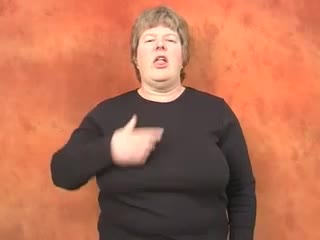
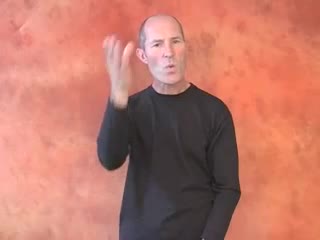
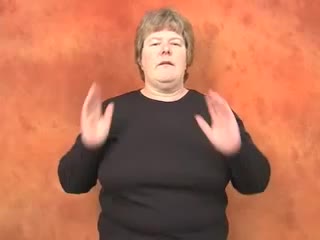
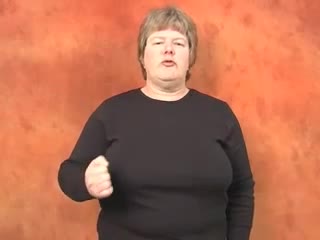
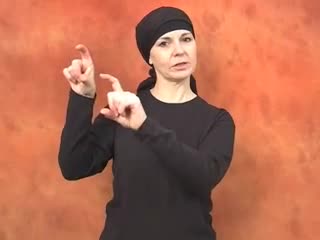
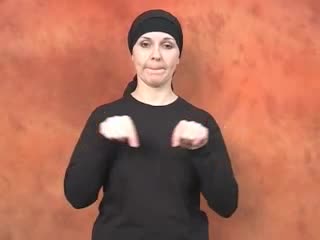
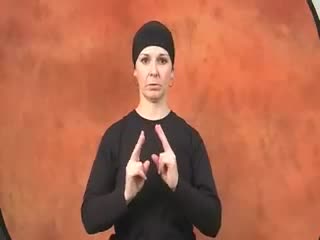
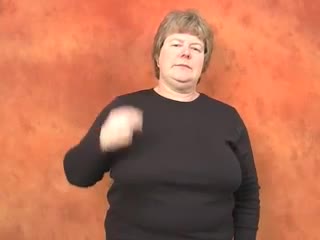
What Is the BSL Sign for "floor varnish"?
Imagine transforming a dull surface into something new and gleaming; that's the essence captured by the BSL sign for floor varnish. This particular British Sign Language floor varnish sign vividly represents the act of applying a protective, glossy layer to a wooden floor. What's truly fascinating is how BSL often distils a complex action into a beautifully concise visual movement, making communication both direct and incredibly expressive. You'll find this sign invaluable when discussing home improvements, DIY projects, or even specific materials, allowing you to clearly convey the concept of sealing and enhancing floors within any BSL conversation.
How to Sign "floor varnish" in British Sign Language - Step-by-Step
Mastering the action of applying a protective coat to a floor through sign involves a clear, sequential set of movements that are quite intuitive once you understand their purpose.
Step 1: Handshape
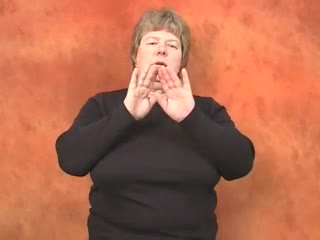
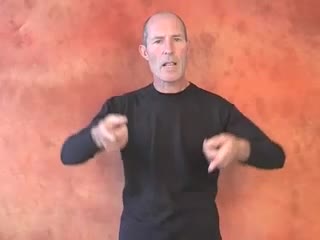
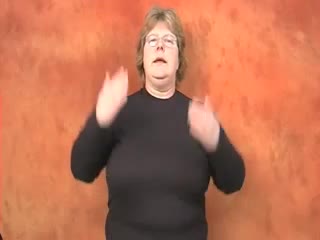
Begin by forming an open B-hand with both your dominant and non-dominant hands. This means all your fingers should be held straight, together, and flat, with your thumb tucked neatly alongside your palm. You're aiming for a flat, paddle-like shape, almost as if you're holding a flat applicator or representing a smooth surface.
Step 2: Hand Placement and Location
Position your non-dominant hand first: extend it forward, palm facing upwards, keeping it relatively flat and level, as if it's a section of floor. It should rest comfortably in the neutral signing space, roughly at chest height, slightly in front of your body. Your dominant hand then hovers just above the palm of your non-dominant hand, with its own palm facing downwards, ready to perform the action.
Step 3: Movement
Now, enact the application: smoothly move your dominant hand in a broad, sweeping motion across the entire surface of your non-dominant palm, traveling from the wrist towards the fingertips. Execute this fluid, gentle sweep two distinct times, mimicking the methodical back-and-forth action of coating a floor. The movement should feel deliberate and even, covering the 'floor' thoroughly.
Step 4: Facial Expression and Mouthing
Maintain a neutral, relaxed facial expression during the sign, mirroring the focused yet unhurried nature of the task. Crucially, accompany this sign by mouthing the words "floor varnish" or simply "varnish." Non-manual features like mouthing are fundamental to BSL grammar, providing critical lexical information and clarifying the signed word, particularly for signs that might otherwise have multiple meanings or nuances. It really helps to distinguish the specific item being discussed.
Step 5: Palm Orientation
Throughout the sign, your non-dominant hand's palm consistently faces upwards, acting as the stable 'floor' surface. Conversely, the palm of your dominant hand remains oriented downwards, directed towards the non-dominant hand's palm. This consistent downward orientation visually reinforces the action of applying something *onto* a surface below it, clearly defining the relationship between the applicator and the material being applied.
"floor varnish" in BSL - Quick Reference Snapshot
- Handshape: Both hands form an Open B-hand (flat, fingers together).
- Location: Dominant hand moves over non-dominant hand, held at chest height in neutral space.
- Movement: Dominant hand sweeps smoothly twice across non-dominant palm, wrist to fingertips.
- Facial Expression: Neutral; mouth "floor varnish" or "varnish."
- Dominant Hand: Performs the sweeping motion, acting as the applicator.
- Palm Orientation: Non-dominant palm up; dominant palm down, facing the non-dominant hand.
5 Memorisation Tricks for the BSL Sign "floor varnish"
Making new signs stick in your memory can be a creative process, and here are five specific tricks for remembering how to sign floor varnish in BSL.
- Visual Mnemonic: Picture yourself actually holding a large, flat applicator pad or a brush in your dominant hand, ready to spread a clear liquid. The flat handshape perfectly represents that tool, and the sweeping motion is exactly what you'd do to cover a wide area of flooring.
- Muscle-Memory Drill: Dedicate a few minutes each day to simply repeating the sweeping motion over your non-dominant hand, focusing on the smooth, even strokes. The physical sensation of the movement will embed itself into your muscle memory, making the sign feel natural and automatic over time.
- Connection to Meaning: Think about the core purpose of floor varnish: to coat and protect a surface. The sign itself directly embodies this by having one hand represent the floor and the other meticulously covering it. This direct iconic link is a powerful mental anchor for the meaning.
- Common-Confusion Tip: Be mindful not to confuse this sign with generic 'paint' or 'clean,' which often involve different handshapes or more vigorous scrubbing motions. The specific flat handshape and the gentle, even sweep are unique to the application of a clear, smooth coating like varnish.
- Daily-Life Practice: Whenever you see a shiny wooden floor, or even just walk across a polished surface, mentally (or physically, if appropriate!) perform the sign for floor varnish. Integrating it into your daily observations strengthens the link between the sign and its real-world context.
Real-Life Situations to Use the BSL Sign for "floor varnish"
Knowing how to sign floor varnish in BSL opens up many practical communication opportunities, particularly when discussing home projects or maintenance. You'll find it useful in several everyday contexts.
- Imagine you're chatting with a friend about renovating their living room; you might sign, "YOUR LIVING ROOM, YOU WANT NEW WOOD FLOOR, AND FLOOR VARNISH?" (BSL structure: YOUR LIVING ROOM, YOU WANT NEW WOOD FLOOR, VARNISH FLOOR?) This shows direct inquiry about their plans.
- Perhaps you're at a DIY store with a Deaf friend, looking at products. You could point to a tin and sign, "THIS FLOOR VARNISH, GOOD QUALITY, YOU THINK?" (BSL structure: THIS VARNISH FLOOR, GOOD QUALITY, YOU THINK?) This expresses a question about an item's suitability.
- When explaining a task you've completed, you might sign, "YESTERDAY, I FINISH FLOOR VARNISH KITCHEN FLOOR, NOW DRY, LOOK SHINY." (BSL structure: YESTERDAY, I FINISH VARNISH KITCHEN FLOOR, NOW DRY, SHINY LOOK.) This uses the sign in a past-tense descriptive statement.
- If you're warning someone about wet floors, you could sign, "CAREFUL! WET FLOOR VARNISH, DON'T TOUCH!" (BSL structure: CAREFUL! VARNISH FLOOR WET, DON'T TOUCH!) Here, the sign provides essential information about a current state.
Top 3 Mistakes Learners Make Signing "floor varnish" in BSL
Every BSL learner encounters some common hurdles, and the British Sign Language floor varnish sign is no exception. Recognising these typical errors can significantly speed up your learning.
- Incorrect Handshape for the Applicator: A frequent mistake involves using a fist or a pointer finger instead of the flat, open B-hand for the dominant hand. This changes the visual meaning entirely, making it look like rubbing or pointing, not smooth application. The correction involves consciously flattening your fingers together and keeping the thumb tucked, ensuring your dominant hand truly represents a flat tool spreading material.
- Missing the Double Sweep Movement: Many beginners perform only a single sweep or a very short, choppy motion. This doesn't convey the thorough, covering action needed for varnishing a floor. Remember to execute a clear, smooth, and complete sweep from the wrist to the fingertips of the non-dominant hand, then repeat it a second time. This repetition is crucial for the sign's integrity and clarity.
- Neglecting the Non-Dominant 'Floor' Hand: Sometimes, learners focus so much on the dominant hand's action that they forget to properly position and hold the non-dominant hand steady and flat. Without the non-dominant hand acting as the 'floor,' the sign loses its spatial context and can become ambiguous. Always ensure your non-dominant hand is held steady, palm up, providing a clear surface for the dominant hand to 'varnish.'
Fascinating Facts About the BSL Sign for "floor varnish"
Delving into the specifics of what is the sign for floor varnish reveals some intriguing insights into BSL's structure and its connection to the physical world.
- This sign is beautifully iconic; it directly mimics the action of applying varnish, which helps learners quickly grasp its meaning without complex explanation. The visual representation of a tool spreading a substance is incredibly intuitive.
- While core BSL signs are widely understood, subtle regional variations might exist in speed or the exact sweep amplitude for floor varnish, though the fundamental handshapes and movement remain consistent across the UK. It’s always good to observe local signers if you have the chance.
- The two-handed nature of this sign, where one hand acts as the surface and the other as the applicator, exemplifies BSL's efficient use of signing space and body-centric grammar to convey complex ideas. It creates a complete visual scene.
- This sign isn't typically related to the manual alphabet; instead, its form is driven by its strong iconic motivation rather than finger-spelled components. You won't find direct letter-shapes within its structure.
- The smoothness and repetition of the movement in this sign are key linguistic features, distinguishing it from related concepts like 'scrubbing' or 'painting' where the movements might be more vigorous or involve different handshapes entirely.
"floor varnish" in Deaf Culture - Community and Identity
The concept of "floor varnish" might seem purely practical, yet within Deaf culture, discussions around home, maintenance, and visual aesthetics hold particular resonance. Deaf individuals often share a strong connection to visual environments, appreciating well-maintained spaces and the effort involved in home improvement. When people in the Deaf community talk about their homes, or perhaps a community centre that needs sprucing up, the sign for floor varnish fits seamlessly into these conversations, highlighting a collective value for order and beauty. It's a common topic in DIY circles, where practical skills and shared projects often forge strong bonds, and clear visual communication, like this sign, ensures everyone is on the same page about the task at hand. This sign, like many others related to physical actions and objects, reinforces the visual-spatial nature of communication that is central to Deaf identity and interaction.
Example Conversations Using "floor varnish" in BSL
Practising how to sign floor varnish in BSL within full sentences helps you build fluency and understand its natural usage. Here are five varied examples.
English: Did you remember to buy the floor varnish for the hallway? - BSL structure: HALLWAY, FLOOR VARNISH, YOU REMEMBER BUY?
English: We need to apply a second coat of floor varnish tomorrow. - BSL structure: TOMORROW, WE NEED VARNISH FLOOR, SECOND COAT.
English: The old floor varnish is peeling; we should remove it first. - BSL structure: OLD FLOOR VARNISH PEELING, WE SHOULD REMOVE FIRST.
English: What kind of floor varnish do you recommend for a high-traffic area? - BSL structure: HIGH-TRAFFIC AREA, WHICH FLOOR VARNISH YOU RECOMMEND?
English: My brother is an expert at applying floor varnish, he can help you. - BSL structure: MY BROTHER EXPERT VARNISH FLOOR, HE CAN HELP YOU.
Frequently Asked Questions: The BSL Sign for "floor varnish"
Here are some common questions learners often ask when they learn floor varnish BSL.
Is there a specific regional variant for the BSL sign for floor varnish?
While the core elements of the sign - the flat handshapes and sweeping motion - are generally consistent across the United Kingdom, some regional differences might appear in the speed or emphasis of the movement. You might observe slight variations in how broadly the dominant hand sweeps, but the fundamental meaning remains clear to all BSL users.
Are there any similar signs I should avoid confusing with British Sign Language floor varnish?
Yes, you should be careful not to confuse it with 'paint' (often a brushing motion, sometimes with a C-hand) or 'clean' (which can involve scrubbing movements or wiping). The unique combination of the flat, open B-hands and the smooth, double sweeping motion is specific to applying varnish, making it distinct from other surface treatments.
Is the BSL floor varnish sign suitable for absolute beginners?
Absolutely! This sign is very accessible for beginners because it's highly iconic, meaning it visually resembles the action it describes. The clear handshapes and straightforward movement make it relatively easy to learn and remember, offering a great entry point for visual learners.
Can children learn floor varnish in sign language easily?
Children typically pick up this sign quite readily due to its direct visual representation of a familiar household task. Its clear, repetitive motion and the visual link to 'painting' or 'making shiny' resonate well with young learners, making it a fun and practical sign for them to acquire.
How does the BSL sign for floor varnish compare to equivalent signs in other sign languages?
While I'm focusing specifically on British Sign Language, it's interesting to note that many sign languages develop iconic signs for actions like 'varnishing.' You might find similar visual representations involving a flat hand sweeping over a surface in other sign languages, though specific handshapes, locations, and movements will vary. This reflects a shared human experience of physical actions.
Signs That Pair Naturally with "floor varnish" in BSL
Building your vocabulary systematically is smart; here are some BSL signs that naturally complement learn floor varnish BSL.
- WOOD: This sign, often tapping the side of an 'S' hand, directly relates to the material most commonly varnished.
- FLOOR: Signing 'floor' (flat hands creating a level surface) provides essential context for where the varnish is applied.
- PAINT: Understanding 'paint' (often a brushing motion) helps distinguish 'varnish' as a specific type of coating.
- SMOOTH: The sign for 'smooth' (one hand gliding over the other) describes the desired texture after varnishing.
- SHINY: 'Shiny' (a hand flicking outwards from the eyes or cheek) describes the visual effect of a freshly varnished floor.
- DRY: The sign for 'dry' (wiping the mouth or a flicking motion) is crucial for knowing when the varnish has set.
Building Fluency: How to Practise "floor varnish" in BSL
To truly embed what is the sign for floor varnish into your active BSL vocabulary, consistent and varied practice is essential. First, spend time in front of a mirror, carefully observing your handshapes, placement, and the smoothness of your sweeping motion. Pay close attention to your non-manual features too; are you mouthing "floor varnish" clearly? Next, try to integrate this sign into your daily BSL conversations, even if you're just signing to yourself or a practice partner. Think about your home or places you visit; if you see a wooden floor, take a moment to sign 'floor varnish' and imagine the process. Filming yourself performing the sign and then reviewing the video can highlight areas for improvement that you might miss otherwise. Most importantly, seek out opportunities to interact with Deaf individuals; a real conversation partner can provide invaluable feedback and context, helping you refine your signing and gain confidence. Keep practising regularly, spacing your sessions over several days rather than cramming, and soon this sign will feel completely natural to you!