What Is the BSL Sign for "concrete"?
Welcome, future BSL communicators! Whether you are Deaf and looking for a clear reference or a hearing learner eager to expand your vocabulary, understanding the BSL sign for "concrete" is a fantastic step. This foundational sign represents the ubiquitous building material, a mixture of cement, sand, gravel, and water, which hardens into a strong, durable surface. In British Sign Language, knowing how to sign "concrete" allows you to discuss everything from construction projects and urban landscapes to philosophical ideas of solidity and foundation. Mastering the BSL concrete sign opens up a world of conversation about the structures that shape our environment.
How to Sign "concrete" in British Sign Language - Step-by-Step Guide
Let's break down the precise steps to correctly form and execute the BSL sign for "concrete."
Step 1: Handshape
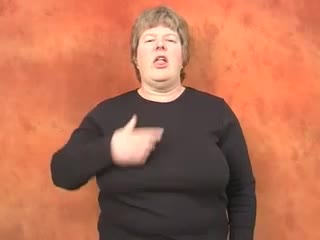
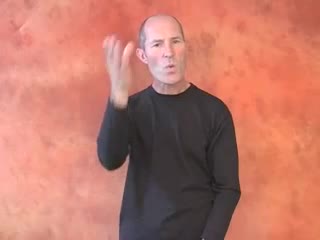
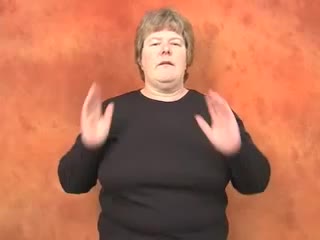
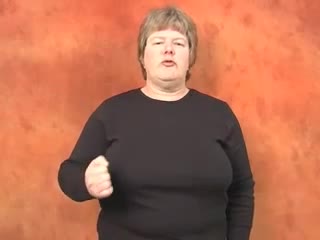
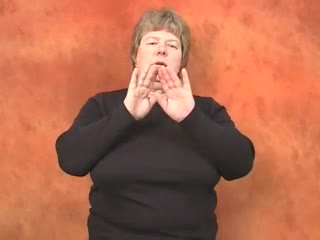
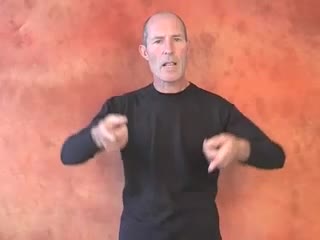
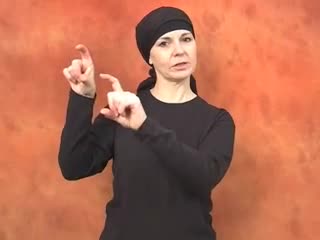
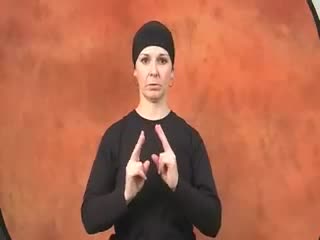
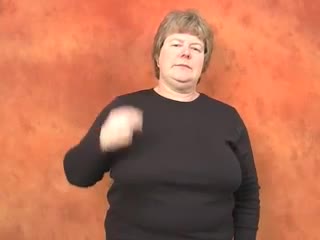
Begin by forming a specific handshape with your dominant hand. Curl all your fingers tightly into a fist, ensuring your thumb rests firmly on the outside of your curled index and middle fingers. The knuckles should be prominent, conveying a sense of solidity and compactness. This handshape is critical, as it often represents a hard, unyielding surface in many BSL signs.
Step 2: Hand Position and Location
Position your dominant hand, formed into the fist described above, in the neutral signing space directly in front of your chest. It should be comfortably held at about chest height, with the back of your hand facing forward. The non-dominant hand is not typically involved in the primary formation or movement of this specific sign, but you might keep it in a relaxed, neutral position by your side or gently resting.
Step 3: Movement
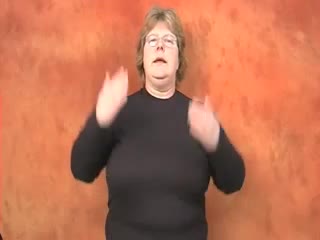
From the initial position, make a sharp, firm downward movement with your dominant fist. Imagine you are striking a hard surface with your knuckles. The movement should be quick and decisive, travelling downwards by approximately 10-15 centimetres. After the downward movement, bring your hand back up slightly, then repeat the downward striking motion once more. The key is two distinct, firm downward "strikes" or "presses," conveying the hardness and impact associated with concrete. The movement should feel strong and deliberate, reflecting the material's properties.
Step 4: Non-Manual Features (Facial Expression & Mouthing)
Non-manual features (NMFs) are absolutely essential in BSL, providing grammatical information and conveying tone and emphasis. For the BSL concrete sign, maintain a neutral yet focused facial expression. There isn't a specific exaggerated facial expression required, but your eyebrows should be relaxed and your gaze direct. The most important NMF here is mouthing the word "concrete" silently or nearly silently as you perform the sign. This mouthing helps to clarify the specific English word being referenced, especially for signs that might have similar manual components but different meanings. It ensures that your communication of "concrete" in British Sign Language is clear and unambiguous.
Step 5: Palm Orientation
Throughout the entire signing process for "concrete," the back of your dominant hand should consistently face forward, towards the person you are communicating with. Your knuckles should be clearly visible as you perform the downward striking movements. The palm orientation remains constant; there is no twisting or rotation of the wrist during this sign. This steady palm orientation further reinforces the idea of presenting a solid, unyielding surface.
Quick Reference: "concrete" BSL Sign at a Glance
- Handshape: Dominant hand forms a tight fist, thumb resting outside curled fingers.
- Location: Neutral signing space, in front of the chest.
- Movement: Two sharp, firm downward striking motions with the fist.
- Facial Expression: Neutral, focused expression, mouthing "concrete."
- Dominant Hand: Used exclusively for the main sign.
5 Tips to Learn the BSL Sign for "concrete" Quickly
- Visualise the Material: Think about the hardness and solidity of concrete. Imagine the feeling of hitting a concrete wall or floor. This strong visual and tactile connection will help you remember the firm, striking movement and the solid fist handshape for the BSL sign for concrete.
- Connect to "Hard" or "Solid": The handshape and movement for "concrete" are iconic, representing something tough and unyielding. You can almost feel the impact of the material. By associating this sign with the abstract concepts of "hard" or "solid," you'll reinforce its meaning and recall the specific motions more easily when learning how to sign concrete in BSL.
- Practice the Double Strike: The two distinct downward movements are a key characteristic of this sign. Focus on making them sharp and deliberate, not soft or hesitant. Practicing this specific rhythm and force will embed the correct motor memory for the British Sign Language concrete sign.
- Emphasise Mouthing: Don't forget to mouth "concrete" as you sign. This non-manual feature is crucial for clarity in BSL. Consciously practicing the mouthing alongside the manual sign will make it an automatic part of your signing, helping you to correctly communicate the concrete sign language.
- Use in Context: Immediately try to incorporate the sign for "concrete" into simple sentences. Think about phrases like "The road is concrete," or "That building is made of concrete." Using "concrete" British Sign Language in meaningful contexts helps solidify your understanding and makes it easier to recall in real conversations, accelerating your journey to learn concrete BSL.
When and How to Use the BSL Sign for "concrete"
The BSL sign for "concrete" is highly versatile and can be used in a variety of everyday and technical contexts, making it an important addition to your vocabulary. It primarily refers to the construction material, but can also be used metaphorically in certain situations.
- Discussing Construction and Building: This is the most common use. You would use the sign when talking about roads, buildings, foundations, bridges, or any structure made from concrete. For example, "NEW ROAD CONCRETE" (The new road is made of concrete).
- Describing Surfaces and Ground: When referring to a paved area, a driveway, or a hard surface outdoors, the sign for "concrete" is appropriate. You might sign, "WALK ON CONCRETE" (Walk on the concrete).
- In Educational or Technical Discussions: If you are discussing civil engineering, architecture, or materials science, this sign becomes essential for describing properties, components, or applications of concrete. For instance, "CONCRETE STRONG MATERIAL" (Concrete is a strong material).
- Grammatical Considerations: In BSL, the sign for "concrete" typically functions as a noun. Its position in a sentence will often follow BSL's topic-comment structure. For example, instead of "The concrete road is strong," you might sign "ROAD CONCRETE STRONG." The sign itself remains consistent, but its placement within the sentence and surrounding signs gives it grammatical context.
Common Mistakes When Signing "concrete" in BSL - And How to Fix Them
Even experienced learners can sometimes make subtle errors. Here are three common mistakes when signing "concrete" in BSL and how to refine your technique.
- Incorrect Handshape:
- The Error: Beginners sometimes use a loose fist, an open hand, or have the thumb tucked inside the fingers. This changes the visual representation of hardness and can make the sign unclear or even confused with other signs.
- Why it Happens: It's easy to relax the hand, especially when focusing on movement.
- The Correction: Ensure your dominant hand forms a very tight, firm fist with the thumb resting distinctly on the outside of your index and middle fingers. Practice making your fist as solid as possible, feeling the tension, to accurately represent the BSL concrete sign.
- Weak or Single Movement:
- The Error: Performing only one downward strike, or making the strikes too soft, slow, or hesitant. This diminishes the iconic representation of impact and solidity.
- Why it Happens: Over-focusing on other elements or not understanding the emphasis on "hardness."
- The Correction: Remember there are two distinct, sharp downward movements. Each strike should be firm and deliberate, conveying the unyielding nature of the material. Imagine tapping a very hard surface twice to properly execute how to sign concrete in BSL.
- Forgetting Non-Manual Features (NMFs):
- The Error: Neglecting to mouth the word "concrete" while signing. This can lead to ambiguity, as some manual signs might look similar without the accompanying mouthing.
- Why it Happens: Learners often focus solely on the hand movements and forget the crucial role of facial expression and mouthing in BSL.
- The Correction: Make a conscious effort to silently mouth "concrete" every time you perform the sign. This small but vital addition provides clarity and completes the British Sign Language concrete sign, making your communication much more precise.
"concrete" in BSL - Fun Facts and History
Dive into some fascinating insights about the BSL sign for "concrete," revealing its linguistic roots and cultural nuances.
- Iconic Representation: The BSL sign for "concrete" is highly iconic, meaning it visually resembles the concept it represents. The firm fist and the repetitive striking motion directly evoke the hardness and solidity of concrete, making it an intuitive sign for many learners.
- Consistency Across the UK: Unlike some BSL signs that have significant regional variations, the sign for "concrete" is largely consistent across different regions of the UK. This means whether you're in London, Manchester, Glasgow, or Belfast, the core manual components of the BSL concrete sign will be understood.
- Evolution from "Hard": The sign for concrete shares a strong visual and conceptual link with the BSL sign for "HARD." Both often involve a similar fist handshape and firm, impactful movements. It's possible the sign for concrete evolved from or is closely related to the concept of hardness, specifically applied to a building material.
- Emphasis on Materiality: The repetitive nature of the movement in the concrete sign language is not just about impact, but also about the substance itself. It's a way of emphasising the material quality – something dense, sturdy, and built to last.
- Not to be Confused with "Cement": While "concrete" and "cement" are related, they are distinct in BSL. Cement (often signed as a mixture/stirring motion) is an ingredient of concrete. The sign for concrete specifically refers to the finished, hardened material, highlighting the importance of precise vocabulary in British Sign Language.
"concrete" in Deaf Culture and BSL Community
The concept of "concrete" might seem purely utilitarian, but within Deaf culture and the BSL community, it forms part of a broader linguistic landscape that enables rich communication about our world. From discussing the construction of new Deaf clubs and community centres to describing accessible pathways and infrastructure, the sign for "concrete" is an integral part of daily life. It allows for precise conversations about the physical environment, contributing to discussions on urban development, housing, and public spaces – all vital topics within any community. Learning the BSL sign for concrete is not just about mastering a single word; it's about gaining the ability to participate in these meaningful conversations, helping to build bridges of understanding and shared experiences, much like concrete builds sturdy foundations.
Example Sentences Using "concrete" in BSL
English sentence: The new building will have a strong concrete foundation. - BSL structure: NEW BUILDING FOUNDATION CONCRETE STRONG.
English sentence: Please walk carefully on the wet concrete. - BSL structure: WET CONCRETE, WALK CAREFUL, PLEASE.
English sentence: Is that wall made of concrete or brick? - BSL structure: THAT WALL CONCRETE OR BRICK? (Question conveyed by NMFs)
English sentence: They poured the concrete yesterday. - BSL structure: YESTERDAY, CONCRETE POUR FINISH.
English sentence: We need a more concrete plan for the event. - BSL structure: EVENT PLAN, NEED MORE CONCRETE. (Here, 'concrete' is used metaphorically for 'firm' or 'definite', often accompanied by a more deliberate, slightly slower sign.)
Frequently Asked Questions About the BSL Sign for "concrete"
Is this sign the same everywhere in the UK?
Yes, for the BSL sign for concrete, you'll find remarkable consistency across the UK. While some BSL signs can have significant regional variations, the sign for "concrete" is widely understood and used in the same way, from Scotland to the south of England, making it a universally recognised sign in British Sign Language.
How is this sign different from similar signs?
The sign for "concrete" is distinct due to its specific handshape (tight fist) and the double, firm downward striking movement. It's crucial not to confuse it with signs like "HARD" (which might involve a similar handshape but different movement/location) or "STONE" (different handshape and movement). The accompanying mouthing of "concrete" is also key to its unique identification, ensuring clarity in concrete sign language.
Is this suitable for beginners?
Absolutely! The BSL concrete sign is an excellent sign for beginners to learn. Its iconic nature and straightforward movement make it relatively easy to grasp, providing a solid foundation (pun intended!) for expanding your BSL vocabulary. Mastering how to sign concrete in BSL is a very achievable goal early on.
Can I use this sign with Deaf children?
Yes, this sign is perfectly suitable for use with Deaf children. It's a common and practical sign for discussing their environment, building blocks, roads, or even drawing pictures of houses. Children will likely pick up the visual and tactile association quickly, helping them to learn concrete BSL effectively.
Where can I practise this sign?
You can practise the BSL sign for concrete in various ways: in front of a mirror, by filming yourself, or ideally, with a Deaf person or BSL instructor who can provide feedback. Websites like SignDeaf.com offer resources, and joining local Deaf events or BSL classes will give you invaluable real-world practice opportunities to use British Sign Language concrete.
Related BSL Signs to Learn Alongside "concrete"
To truly build your fluency around the concept of "concrete," learning these related BSL signs will create a robust vocabulary cluster.
- BUILD: Often uses hands stacking or shaping, connecting directly to the construction aspect of concrete. Learning this alongside how to sign concrete in BSL helps describe the process.
- WALL: Typically formed by showing a flat surface or a barrier, a common structure made from concrete. This is a natural pairing for discussing buildings.
- HOUSE/HOME: Essential for discussing where people live, and houses often rely on concrete foundations. Combining this with the BSL concrete sign allows for more detailed descriptions of housing.
- STRONG: This sign, often a firm bicep flex or a strong hand movement, complements "concrete" perfectly, as concrete is known for its strength. It helps describe the material's properties.
- ROAD: Signed by indicating a path or surface, many of which are made of concrete. This pair is crucial for discussing infrastructure and travel.
- FOUNDATION: Usually involves hands indicating a base or support, directly linking to the primary use of concrete in construction. Learning this helps you to learn concrete BSL in a structural context.
How to Practise the BSL Sign for "concrete" Effectively
Consistent and thoughtful practice is the key to mastering any BSL sign, and "concrete" is no exception. Begin by practising the sign in front of a mirror, focusing intently on your handshape, the precision of the double downward movement, and the clarity of your mouthing. Film yourself performing the BSL sign for concrete, then watch it back critically, identifying any areas for improvement against the step-by-step guide. Crucially, try to integrate the sign into full English sentences, mentally translating them into BSL structure, using the example sentences provided. The most effective way to solidify your understanding and usage of British Sign Language concrete is to engage with the Deaf community, attending local BSL meetups or classes where you can practice with native signers and receive invaluable feedback on your technique and fluency. Daily repetition, even for just a few minutes, will reinforce the sign in your memory and make it a natural part of your BSL communication.