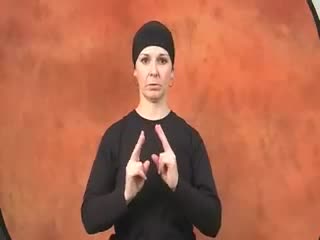
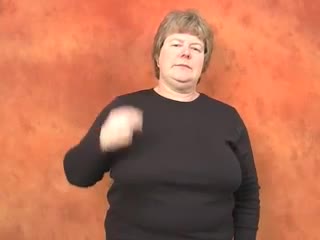
What Is the BSL Sign for "birch"?
Unlocking the vocabulary of the natural world in British Sign Language enriches communication, connecting us deeply with our surroundings. The distinctive BSL sign for birch allows individuals to precisely refer to this elegant tree, celebrated for its unique bark and slender silhouette. Understanding how to sign birch in BSL enhances descriptive abilities, whether discussing woodland walks, gardening, or specific tree identification. This particular sign provides a clear and unambiguous way to express "birch" within the vibrant British Sign Language framework, making it an invaluable addition to any learner's repertoire.
How to Sign "birch" in British Sign Language - Step-by-Step
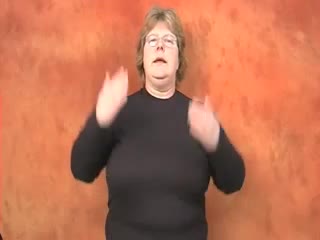
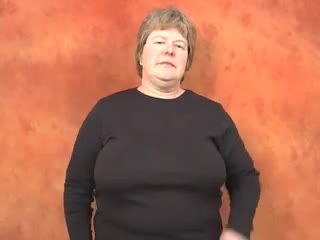
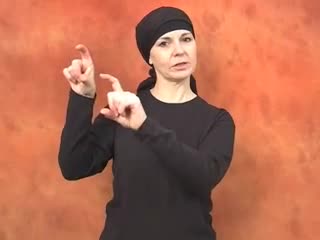
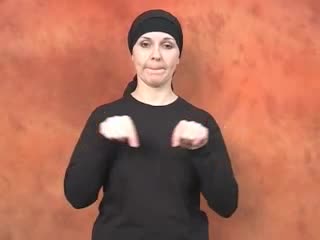
Mastering the gestural intricacies of "birch" in British Sign Language involves a precise sequence of handshape, placement, and movement, embodying the tree's distinctive characteristics.
Step 1: Handshape
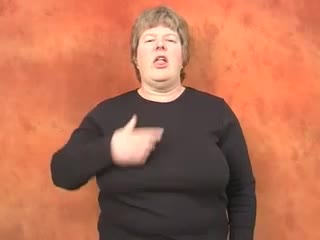
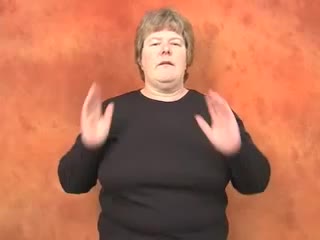
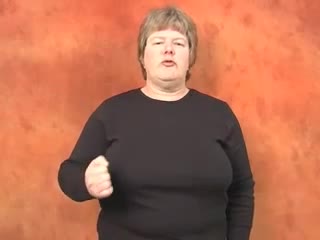
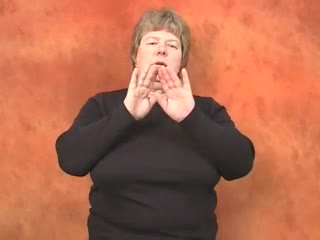
For the BSL sign representing "birch," your dominant hand should adopt a specific flattened O-handshape. This involves gently touching the tip of your thumb to the tip of your index finger, forming a delicate, incomplete circle. Simultaneously, your remaining fingers – the middle, ring, and pinky – should curl softly inwards towards your palm, resting in a relaxed, natural position without clenching. This precise hand configuration is crucial, as it visually suggests the thin, peeling nature of the tree's bark.
Step 2: Hand Placement and Location
Begin by positioning your non-dominant hand in front of your body, holding it vertically with your palm facing inwards, fingers loosely extended upwards, mimicking a tree trunk. Your dominant hand, already in the flattened O-handshape, starts near the wrist of this non-dominant arm. The thumb and index finger of your dominant hand should lightly press against the non-dominant forearm, establishing the initial point of contact as if beginning to separate a layer.
Step 3: Movement
Execute a smooth, controlled upward and slightly outward motion with your dominant hand along your non-dominant forearm. As your dominant hand ascends, gently allow the thumb and index finger to separate a small amount, creating a visual effect of "peeling" or stripping away a thin layer. The movement extends from the non-dominant wrist towards the elbow, concluding gracefully without reaching the shoulder. This singular, deliberate action captures the essence of birch bark's characteristic exfoliation.
Step 4: Facial Expression and Mouthing
A neutral and relaxed facial expression typically accompanies the BSL sign for "birch," reflecting the straightforward naming of an object. Simultaneously, it is customary and linguistically significant to mouth the English word "birch" without vocalisation. This non-manual feature provides crucial contextual information, helping to disambiguate the sign from visually similar gestures and reinforcing the intended meaning within the flow of a BSL conversation. Precise mouthing ensures clarity and semantic accuracy, a fundamental component of BSL grammar.
Step 5: Palm Orientation
The palm of your dominant hand begins facing inwards towards your non-dominant forearm at the start of the sign for "birch." As the upward "peeling" movement commences, the palm subtly rotates to face slightly outward, away from the body. This subtle shift in palm orientation during the movement is integral, visually reinforcing the action of something being lifted or separated from a surface, crucial for conveying the distinct quality of birch bark. The dynamic change in orientation contributes significantly to the sign's iconic representation.
"birch" in BSL - Quick Reference Snapshot
- Handshape: Dominant hand forms a flattened O (thumb and index touching, others curled).
- Location: Dominant hand starts near non-dominant wrist, touching non-dominant forearm (held vertically).
- Movement: Smooth upward and slightly outward slide along the forearm, separating thumb/index.
- Facial Expression: Neutral, accompanied by mouthing "birch."
- Dominant Hand: Performs the primary action.
- Palm Orientation: Starts facing non-dominant forearm, subtly turns outward during upward movement.
5 Memorisation Tricks for the BSL Sign "birch"
- Visualize the peeling bark: Imagine the delicate, papery bark of a birch tree. The flattened O-handshape represents the thin strip you might hold, and the upward movement along your arm vividly mimics the act of gently peeling that distinctive surface from the trunk.
- Engage muscle memory through repetition: Practice the precise handshape and movement repeatedly, focusing on the smooth, controlled upward glide. Performing this sign ten times in a row while concentrating on the tactile sensation will embed the motion into your muscle memory, making it feel natural and automatic.
- Connect the sign to its meaning: The sign's design is highly iconic, directly illustrating the most recognizable feature of a birch tree – its peeling bark. By consciously linking the gesture of peeling with the tree itself, you forge a strong conceptual bond that aids in recall, making the sign intuitively logical.
- Differentiate from "tree": Many learners initially confuse "birch" with the more general sign for "tree." Remember that "tree" typically involves a single upward movement of a flat hand or two hands, while "birch" specifically uses the flattened O-handshape and the distinct peeling motion, clearly distinguishing its unique characteristic.
- Integrate into a daily nature walk: As you encounter birch trees during a walk or see pictures of them, consciously perform the sign. This real-world contextualisation reinforces the connection between the visual stimulus of the tree and its BSL representation, strengthening your memory in an organic way.
Real-Life Situations to Use the BSL Sign for "birch"
- When describing a specific tree in a park: "LOOK, THAT BSL-BIRCH BEAUTIFUL!" (BSL structure: topic-comment, 'THAT' points to the tree, 'BSL-BIRCH' specifies the type, 'BEAUTIFUL' describes it).
- Asking someone about a type of wood: "THIS TABLE WOOD, BSL-BIRCH?" (BSL structure: topic-comment with a question, 'THIS TABLE WOOD' sets the topic, 'BSL-BIRCH' is the specific query, raised eyebrows for a yes/no question).
- Planning to plant a particular tree in your garden: "I WANT PLANT BSL-BIRCH, MY GARDEN." (BSL structure: subject-verb-object, 'I WANT PLANT' is the intention, 'BSL-BIRCH' is the object, 'MY GARDEN' indicates location).
- Discussing the characteristics of different trees: "OAK STRONG, PINE SMELL GOOD, BSL-BIRCH BARK PEEL." (BSL structure: comparison, uses spatial indexing to refer to different trees, then describes a key feature of each, with 'BSL-BIRCH BARK PEEL' highlighting its unique attribute).
Top 3 Mistakes Learners Make Signing "birch" in BSL
- Using a generic "tree" handshape: A common error is to use a flat hand or a 5-handshape for "birch," which is the general sign for "tree." This happens because learners associate the word with the broader concept of a tree rather than its specific features. To correct this, ensure your dominant hand forms the precise flattened O-handshape, with thumb and index finger touching, clearly distinguishing the unique bark characteristic.
- Incorrect movement or location: Some learners perform a general upward movement in neutral space or neglect the contact with the non-dominant forearm. This dilutes the iconic representation of peeling bark. The precise correction involves starting the dominant hand firmly against the non-dominant forearm (representing the trunk) and executing a deliberate, gentle upward and outward slide, mimicking the natural separation of the bark.
- Omitting or incorrect mouthing: Failing to mouth "birch" or mouthing a different word can lead to confusion, as non-manual features are integral to BSL clarity. Learners might focus solely on the manual components and forget this crucial linguistic element. The correct approach is to always clearly mouth "birch" without vocalisation while performing the manual sign, providing vital lexical information and avoiding ambiguity.
Fascinating Facts About the BSL Sign for "birch"
- The BSL sign for "birch" is highly iconic, directly drawing its form from the most distinguishing characteristic of the tree: its papery, peeling bark. This visual motivation makes the sign relatively intuitive for new learners, as it physically describes the object.
- While core BSL signs maintain consistency across the British Isles, subtle regional variations might exist in the exact execution of the "peeling" motion or the precise degree of finger separation, though the fundamental handshape and concept remain universally understood within the BSL-using community.
- Unlike some signs derived directly from the two-handed manual alphabet, the sign for "birch" is not directly finger-spelled but rather a fully formed lexical sign, showcasing BSL's rich capacity for creating unique, concept-based representations.
- The sign's clear distinction from the general sign for "tree" (which often uses an upright hand or two hands mimicking a trunk) highlights BSL's ability to differentiate between general categories and specific sub-types, adding precision to descriptive communication.
- The subtle shift in palm orientation during the movement for "birch" is a linguistic feature that adds depth, transforming a static handshape into a dynamic representation of an action, specifically the act of peeling, which is intrinsic to the tree's identity.
"birch" in Deaf Culture - Community and Identity
The natural world, including specific trees like the birch, plays an integral role in the shared experiences and conversations within the Deaf community. Signs like "birch" allow Deaf individuals to fully participate in discussions about nature, gardening, and environmental topics, fostering a sense of shared understanding and belonging. These descriptive signs enable rich storytelling about outdoor adventures, from identifying trees on a walk to discussing the aesthetic qualities of different woodlands. By having a specific sign for "birch," the community can express nuanced observations, strengthening collective identity through shared visual language and cultural references to the environment. This inclusion of detailed vocabulary for the natural world ensures that BSL remains a comprehensive and expressive language for all aspects of life.
Example Conversations Using "birch" in BSL
English: We saw a beautiful birch tree in the forest today. - BSL structure: Time-topic-comment, "TODAY FOREST WE SEE BSL-BIRCH TREE BEAUTIFUL."
English: Do you know if birch wood is good for making furniture? - BSL structure: Topic-question, "BSL-BIRCH WOOD GOOD MAKE FURNITURE? YOU KNOW?"
English: The artist used birch bark in her sculpture. - BSL structure: Subject-verb-object, "ARTIST USE BSL-BIRCH BARK, HER SCULPTURE."
English: I prefer the white bark of a birch over other trees. - BSL structure: Comparison-preference, "OTHER TREES, I PREFER BSL-BIRCH BARK WHITE."
English: Let's plant a birch sapling next spring. - BSL structure: Suggestion-future time, "NEXT SPRING, WE PLANT BSL-BIRCH SAPLING."
Frequently Asked Questions: The BSL Sign for "birch"
Is there a regional variation for the BSL sign for "birch"?
While the core concept and general form of the BSL sign for "birch" are widely recognised across the UK, minor regional nuances in the exact execution, such as the speed of the peeling motion or the precise angle of the hand, can sometimes occur. These slight differences typically do not impede understanding, as the iconic representation remains clear and consistent in its meaning. Learners should be aware of these subtle variations but focus on mastering the widely accepted standard.
Are there any similar BSL signs I might confuse with "birch"?
Learners sometimes initially confuse "birch" with the more general sign for "tree" or other signs that involve an upward movement along the arm. The key distinction for "birch" lies in its specific flattened O-handshape and the distinct "peeling" action, which sets it apart from more generic tree signs or signs for growth. Paying close attention to the thumb-index contact and the outward rotation during the movement will prevent confusion with other signs.
Is the BSL sign for "birch" suitable for beginners?
Absolutely, the BSL sign for "birch" is highly suitable for beginners due to its iconic nature and clear visual connection to the tree's distinguishing characteristic. Its straightforward handshape and movement make it relatively easy to learn and remember, offering an excellent example of how BSL often visually represents concepts. Mastering this sign provides a rewarding early step in building a descriptive BSL vocabulary.
Can children easily learn the BSL sign for "birch"?
Children can readily learn the BSL sign for "birch" as its visual representation of peeling bark is quite concrete and engaging. The action of peeling is often familiar to children through play or everyday activities, making the sign intuitive and memorable for younger learners. Incorporating this sign into nature walks or story time can be a fun and effective way to expand a child's BSL vocabulary.
How does the BSL sign for "birch" compare to the equivalent sign in American Sign Language (ASL)?
The BSL sign for "birch" is distinct from its American Sign Language (ASL) counterpart, reflecting the independent development of these two unique languages. While both languages aim to represent the concept of a birch tree, their manual forms, handshapes, and movements for this specific word are different. This highlights the crucial point that sign languages are not universal and each possess their own rich linguistic structures and vocabulary.
Signs That Pair Naturally with "birch" in BSL
- TREE: This foundational sign naturally pairs with "birch," as "birch" is a specific type of tree. Learning them together helps differentiate general categories from specific examples.
- BARK: Given that the "birch" sign is iconic for its peeling bark, knowing the separate sign for "bark" allows for more detailed descriptions of tree surfaces and textures.
- FOREST/WOODS: Birch trees are typically found in forests or woodlands, making these location signs a logical addition to a learning cluster about nature and trees.
- LEAF: To describe the foliage of a birch tree or any tree, the sign for "leaf" is essential, expanding the vocabulary for detailing tree characteristics.
- PLANT: If discussing planting a birch tree or gardening, the sign for "plant" is a necessary companion, linking the tree to an action or activity.
- WHITE: Birch trees are famously known for their distinctive white bark, so associating the sign for "white" with "birch" allows for immediate descriptive enhancement.
Building Fluency: How to Practise "birch" in BSL
To truly embed the BSL sign for "birch" into your active vocabulary, dedicate time to focused, iterative practice. Utilise a mirror to meticulously observe your dominant hand's flattened O-handshape, ensuring your thumb and index finger make precise contact while the other fingers remain naturally curled. Integrate the sign into your daily BSL conversations by actively seeking opportunities to describe trees you encounter, whether in person, in books, or on screen. Consider filming yourself performing the sign; reviewing these videos offers invaluable self-correction, allowing you to refine the upward, outward peeling motion and subtle palm orientation shift. Crucially, seek out opportunities to interact with a Deaf conversation partner, as receiving feedback and using the sign in authentic dialogue accelerates fluency and ensures natural, culturally appropriate usage. Regularly revisit "birch" over several days, spacing out your practice sessions to strengthen long-term retention and build genuine confidence in its execution.