
Daily focus
Archive Replay
Tuesday, February 25, 2025
Sign of the Day
small
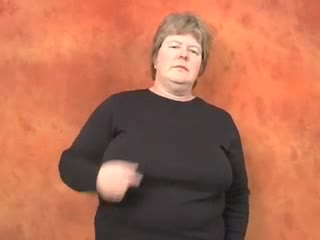
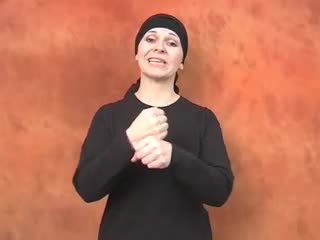
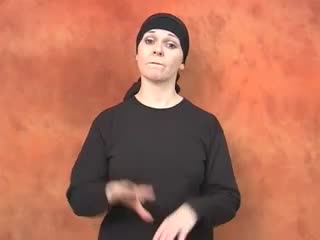
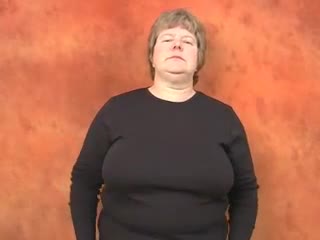
Sign uses dominant hand, index and thumb close, moving downwards
A1 Very Common Adjective British Sign Language (BSL) Neutral
Today’s Snapshot
The meta fields are doing real work here
This page turns your sign metadata into a fast, readable fingerprint of how the sign looks, feels, and fits into real conversation.
Index finger and thumb close, forming a small gap, other fingers curled
Small, repeated downward movement
Describing physical size, quantity, or importance
Break It Down
Watch, build, and feel the movement
Use the numbered steps first, then check the sign anatomy cards to clean up the small details that make the sign look fluent instead of approximate.
How to form the sign
- Form handshape: Index finger and thumb tips close, forming a small gap
- Curl other fingers into palm
- Position hand in neutral space, palm slightly downwards/inwards
- Perform small, repeated downward movement
- Accompany with 'oo' mouth shape if emphasizing smallness
Coach prompt
Practice making a tiny gap with your index finger and thumb
Signature details
Handshape
Index finger and thumb close, forming a small gap, other fingers curled · Code IndexThumb_Close
Dominant hand
Right
Symmetry
Asymmetric
Contact
Air
Palm orientation
Inward/Downwards
Eyebrows
Neutral
Eye gaze
Forward
Head movement
None
Mouth morpheme
'oo' or pursed lips
Body shift
None
Use It Today
Move from recognition to real-life use
Everything below is designed to make the sign sticky: where it feels natural, what learners miss, and how to use it without sounding robotic.
The cat is small. / BSL: CAT SMALL
The size of the gap can be varied for emphasis
Best fit: Describing physical size, quantity, or importance
Mirror focus
Practice making a tiny gap with your index finger and thumb
Catch the slip
Ensure handshape is precise, not just a loose 'O'
Use it today
The cat is small. / BSL: CAT SMALL
Common mistakes: Confusing with 'little bit' or 'tiny'
When not to use it: When describing large objects or concepts
Regional note: Minor variations in movement or exact handshape
Cultural note: Often accompanied by non-manual features for emphasis
1.[en] A small dog. / BSL: DOG SMALL
2.[en] Just a small amount. / BSL: AMOUNT SMALL
3.[en] My small house. / BSL: MY HOUSE SMALL
Connect the Dots
Turn one sign into a small learning cluster
These links use your relationship fields, related vocabulary, and category context so the daily page becomes a launchpad instead of a dead end.
Word web
Tiny
little
miniature
minute
Big
large
huge
enormous
Size
amount
few
thin
BIG
LARGE
LITTLE
TINY
LITTLE BIT: Similar index-thumb handshape, but usually a single, short flick for 'a small quantity', not repeated like "small". THIN: Uses a 'G' handshape (index extended) or traces, indicating narrowness, distinct from "small"'s overall dimension. TINY: An intensified version of "small", with an even smaller index-thumb gap and stronger non-manuals
Size
adjective
description
quantity
BSL small
sign for small
little BSL
Quantity
size

Come Back Tomorrow
Build a rhythm around one sign a day
The archive rail lets people revisit recent daily picks, while the teaser card gives a reason to return instead of drifting away after one lesson.
Video credit: The demonstration video on this page is credited to SpreadTheSign. The video remains the property of the original rightholder.
All written explanations, learning notes, examples, comparisons, and page design on this page are SignDeaf educational material.