What This Sign Means in BSL
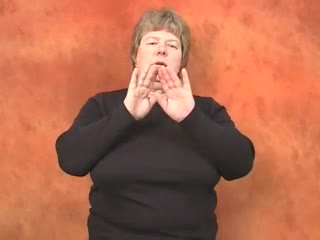
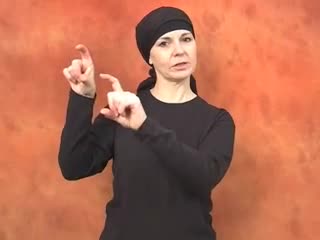
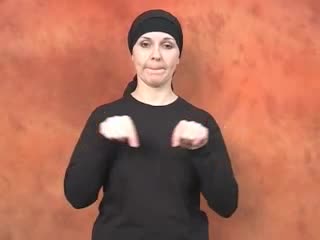
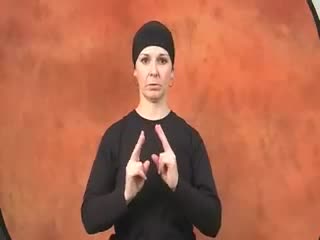
The BSL sign for ear protection is beautifully direct and highly iconic, meaning it visually represents exactly what it means. When you form both hands into S-shapes – that's a classic BSL fist with your thumbs resting on top – and place them over your ears, you're not just describing ear protection; you are, in essence, demonstrating it. This sign immediately communicates the concept of something covering the ears to safeguard them from noise or damage.
What makes this sign so effective is its universal appeal. Even someone unfamiliar with BSL could likely guess its meaning just by observing the action. It's a noun, referring to the protective equipment itself, but its execution carries the weight of the action of protecting. It speaks to safety, care, and the preventative measure one takes against harsh sound environments.
It’s a clear, unambiguous sign, serving as a foundational piece of vocabulary in discussions about safety, health, and noisy environments. It doesn't need additional context to be understood; the sign itself is the explanation, embodying the very function of the item it represents.
When This Sign Feels Natural
This sign feels most natural and appropriate in any context where the prevention of hearing damage or the mitigation of loud noise is being discussed. Think about a workplace safety briefing before entering a construction site, a conversation about attending a loud concert, or explaining why someone might be struggling to hear in a noisy environment. It's the go-to sign when you're referring to the general category of devices designed to protect hearing, whether they are earmuffs, earplugs, or other forms.
You'd use this sign when talking about safety regulations, recommending an item to someone, or perhaps expressing a need for it yourself. For instance, if you're explaining factory rules, you might sign, "WORK FACTORY, MUST WEAR EAR PROTECTION." It’s also suitable in educational settings when teaching about the human ear or the importance of hearing health. The sign is broad enough to cover various forms of protection, making it versatile for many situations.
However, if you wanted to specify a particular type, like earplugs or headphones, you might follow up with a more specific sign or even finger-spell if necessary. But for the general concept, the BSL sign for ear protection stands strong on its own. It conveys a clear, important message about safeguarding one of our most vital senses.
What Learners Usually Miss
A common subtlety learners sometimes miss with the BSL sign for ear protection isn't just the placement of the hands, but the slight inward press or hold. It’s not simply touching your ears; there’s an active, gentle pressure, as if you’re sealing off the ears or ensuring the protection is securely in place. This small detail adds to the meaning, conveying the idea of a snug fit and effective barrier against sound. Without this subtle press, the sign can look more like simply holding your head or indicating the location of your ears, losing some of its protective intent.
Another point to consider is the firmness of the S-handshape. While it's a fist, ensure it's a solid, confident fist rather than a loose, relaxed one. The firmness subtly reinforces the idea of protection and a sturdy barrier. Also, the movement should be symmetrical and simultaneous; both hands should move to and press against the ears at the same time, maintaining balance and clarity.
Finally, context and facial expression play a role. When discussing safety or danger, a more serious or concerned expression might accompany the sign. If you’re simply explaining what the item is, a neutral, informative expression is fine. But neglecting the slight inward press and the confident handshape can make the sign less impactful and potentially a little ambiguous. Practice focusing on that gentle, firm seal.
A Simple Way to Remember It
The BSL sign for ear protection is wonderfully intuitive, making it easy to remember. Just think of your hands actively covering and protecting your ears from external noise, much like a pair of earmuffs or the action of putting in earplugs. The S-handshapes (fists) represent the solid form of the protective gear, while the placement and slight press against the ears directly mimic its function.
- Visual Link: Your hands become the physical ear protection, directly covering the part of the body being protected.
- Action Memory: The gentle inward press or hold reinforces the idea of sealing and guarding against sound.
- Handshape Cue: The strong S-handshape (fist) can remind you of the solidity and strength of protection needed.
Short Practice Situations
- "At the shooting range, it's essential to wear ear protection to prevent hearing damage."
- "The factory floor is very loud; make sure you always have your ear protection on."
- "I forgot my ear protection for the concert, and now my ears are ringing."
- "When you use power tools, remember to put on your ear protection first."
Signs to Learn Next
- NOISE: Often, the need for ear protection arises because of significant noise. Learning this sign will help you discuss the reason for needing protection.
- HEARING: This sign is crucial for conversations about the sense itself, how it works, and why protection is so important for long-term health.
- SAFE/SAFETY: Ear protection is fundamentally a safety measure. Understanding the signs for 'safe' or 'safety' will allow you to build sentences around preventative actions.
- HEADPHONES: While similar in form, headphones are primarily for listening. Knowing this sign helps you differentiate between passive protection and active sound input.
- EARPLUGS: This is a more specific type of ear protection. Learning it will allow you to be more precise if the context requires it.