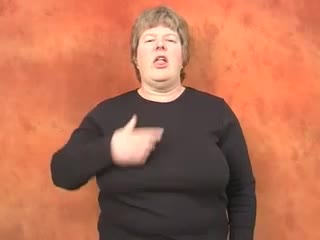
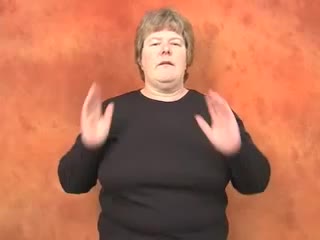
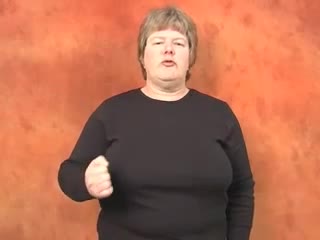
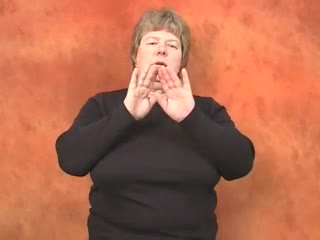
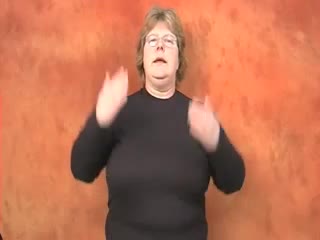
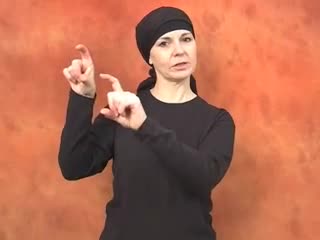
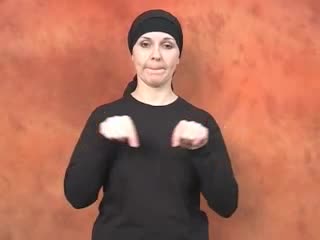
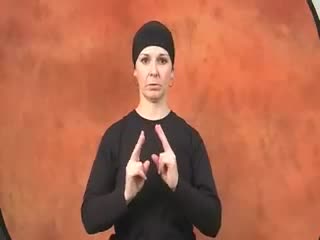
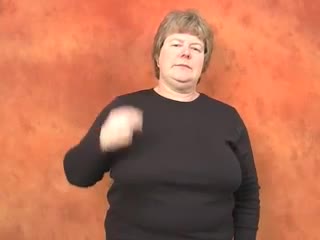
What Is the BSL Sign for "padsaw"?
Perhaps you've encountered this intriguing term, or maybe you're curious about less common tools in British Sign Language. The BSL sign for padsaw offers a fantastic example of BSL's visual nature, bringing to life the action of a distinctive, often specific, cutting tool. Understanding this sign doesn't just expand your vocabulary; it helps you appreciate how BSL communicates complex ideas with elegance and clarity, making conversations about practical tasks much smoother. Learning the padsaw British Sign Language sign is an excellent step towards richer communication within the Deaf community.
How to Sign "padsaw" in British Sign Language - Step-by-Step
Mastering the sign for "padsaw" in BSL involves a precise combination of handshapes, placement, and movement, all working together to convey its specific meaning.
Step 1: Handshape
For this sign, you'll primarily use your dominant hand to represent the main action. Form an 'X' handshape with your dominant hand: curl your index finger into a hook, keeping your thumb extended and tucked against the side of your middle finger. Your remaining fingers (middle, ring, and pinky) should be gently curled into your palm. Meanwhile, your non-dominant hand remains flat, with all fingers extended and held together, forming a straight line, and your thumb tucked alongside.
Step 2: Hand Placement and Location
You'll begin with your dominant 'X' hand positioned directly above your non-dominant flat hand. Your non-dominant hand should be held horizontally in front of your body, around mid-torso height, with its palm facing upwards. Place the hooked index finger of your dominant hand lightly touching the palm or fingertips of your non-dominant hand, ready to initiate the sawing motion.
Step 3: Movement
Now, enact the distinctive sawing action. Move your dominant 'X' hand horizontally across the surface of your non-dominant flat hand. This isn't just a simple slide; as your dominant hand moves, incorporate a slight, subtle upward and downward pivot at the wrist, mimicking the action of a blade cutting through material. Perform this motion smoothly, repeating it two to three times as you move your dominant hand from one side of your non-dominant hand to the other.
Step 4: Facial Expression and Mouthing
Non-manual features are absolutely vital in BSL, and for "padsaw," they reinforce the sign's meaning and context. You'll want to maintain a neutral or slightly focused facial expression, reflecting concentration on the task at hand. Simultaneously, mouth the word "padsaw" clearly, without vocalisation. This mouthing isn't merely a spoken word; it's a crucial part of the sign's linguistic structure, providing phonetic information and confirming the specific English equivalent.
Step 5: Palm Orientation
Throughout the signing of "padsaw," the palm of your dominant 'X' hand will generally face towards your non-dominant hand, with a slight downward tilt as it performs the cutting motion. Your non-dominant hand's palm consistently faces upwards, providing the stable "surface" for the action. Maintaining these orientations is key; they visually clarify the interaction between the tool and the material, ensuring the sign is correctly understood.
"padsaw" in BSL - Quick Reference Snapshot
- Handshape: Dominant 'X' hand (hooked index), Non-dominant flat hand
- Location: Dominant hand above non-dominant, mid-torso height
- Movement: Dominant hand saws horizontally across non-dominant hand with slight wrist pivot, repeated 2-3 times
- Facial Expression: Neutral or focused expression, mouthing "padsaw"
- Dominant Hand: Typically your preferred hand (right-handed people use right, left-handed use left)
- Palm Orientation: Dominant palm slightly down towards non-dominant; Non-dominant palm up
5 Memorisation Tricks for the BSL Sign "padsaw"
Here are some unique ways to help you lock the BSL padsaw sign into your memory, making it stick effortlessly.
- Visual Mnemonic: The Peculiar Cutter: Picture your dominant 'X' hand as a tiny, unique padsaw blade, with the hooked finger doing the primary cutting. Imagine it carefully sawing a delicate line on the flat surface of your non-dominant hand; this visual helps connect the unusual handshape to the action.
- Muscle-Memory Drill: Slow and Deliberate Repetition: Dedicate a few minutes each day to perform the padsaw sign very slowly, focusing on the slight wrist pivot and the consistent pressure of your dominant hand moving across your non-dominant one. This repetitive, mindful practice deeply embeds the movement into your muscle memory, making it feel natural over time.
- Connection to the Word's Meaning: A Specialized Saw: Think about the word "padsaw" itself – it sounds like a specific, perhaps gentler or more precise kind of saw. The sign’s slightly unusual 'X' handshape and careful, repeated motion perfectly reflect this idea of a distinct, focused cutting action, linking the visual to the conceptual.
- Common Confusion Tip: Distinguishing from 'CUT' or 'SAW': Many learners might confuse "padsaw" with more general signs like 'CUT' or 'SAW'. Remember that the 'X' handshape is unique to "padsaw" for this context; other cutting signs often use a 'V' handshape or a flat hand. Focusing on that distinctive hooked index finger will prevent mix-ups.
- Daily-Life Practice Idea: Invisible Repairs: As you go about your day, imagine encountering small, fiddly objects around your home or workplace that might need a "padsaw" for a tiny repair or adjustment. Silently sign "padsaw" to yourself whenever you spot an imaginary task, incorporating it into your everyday observations.
Real-Life Situations to Use the BSL Sign for "padsaw"
Understanding how to use "padsaw" within actual BSL conversations will truly deepen your grasp of this sign. Here are a few practical scenarios:
- You might use this sign when asking a friend if they have a specific tool for a delicate task: you'd sign, "YOU HAVE padsaw?" with raised eyebrows to indicate a question, pausing slightly for their response.
- Someone could explain a craft project, saying, "I NEED padsaw FOR THIS MODEL," clearly indicating the necessity of that particular implement for their detailed work.
- If you're correcting a misunderstanding about tools, you might sign, "NO, THAT NOT padsaw," shaking your head and furrowing your brow to convey the negation.
- Explaining the location of a tool, you could sign, "padsaw IT-IS OVER-THERE," using spatial referencing to point towards where the tool is kept.
Top 3 Mistakes Learners Make Signing "padsaw" in BSL
Even experienced learners sometimes trip up with certain signs, and "padsaw" has its common pitfalls. Being aware of these will help you refine your technique.
- Incorrect Handshape on the Dominant Hand: A frequent error involves using a flat hand or a 'V' handshape instead of the precise 'X' hand for the dominant hand. This completely changes the sign's meaning, potentially indicating a different action like 'cut' or 'slice'. Always ensure your index finger is distinctly hooked while your thumb is extended.
- Missing the Subtle Wrist Pivot: Some learners perform a simple horizontal slide without incorporating the slight upward and downward wrist motion, which is crucial for conveying the 'sawing' aspect. The sign becomes flat and less expressive without this detail. Focus on that gentle, almost rocking movement of the wrist as your hand travels across.
- Omitting or Incorrectly Mouthing "padsaw": A lot of people forget that mouthing is integral to BSL, not just an optional extra. Failing to mouth "padsaw" clearly means you're missing a key linguistic component, making the sign harder to identify and potentially ambiguous. Always articulate the word silently as you sign to provide essential phonetic context.
Fascinating Facts About the BSL Sign for "padsaw"
Delving into the background of a sign can illuminate its structure and cultural significance within BSL. "Padsaw" holds some interesting points.
- The sign for "padsaw" is beautifully iconic, directly mimicking the action of a specific sawing tool, making its meaning immediately apparent even to new learners once they understand its context.
- While the core handshapes and movement remain consistent across the UK, you might observe slight regional variations in the speed or intensity of the sawing motion, reflecting local signing styles rather than different meanings.
- Its distinctive 'X' handshape, though not directly representing a letter in the standard BSL manual alphabet, is a powerful visual metaphor for a hooked or specialized tool, making it highly memorable.
- This sign stands as a strong example of how BSL efficiently creates specific vocabulary for objects that have distinct functions, rather than relying on generic terms alone.
- The sign's clear, repetitive movement highlights BSL's reliance on dynamic actions to convey nuanced meanings, distinguishing it from static signs.
"padsaw" in Deaf Culture - Community and Identity
Signs like "padsaw" are more than just vocabulary; they are threads in the rich tapestry of Deaf culture, reflecting shared experiences and a practical approach to communication. While "padsaw" might refer to a specific tool, its existence in BSL speaks volumes about the value placed on clear, precise language for all aspects of life, including hobbies, trades, and household tasks. Within the Deaf community, sharing knowledge about tools, crafts, or DIY projects often involves demonstrating the action directly, making iconic signs like "padsaw" incredibly efficient and universally understood. This visual clarity fosters a sense of collective understanding and empowers individuals to communicate complex, practical information without barriers, strengthening community bonds through shared linguistic and cultural experiences.
Example Conversations Using "padsaw" in BSL
Applying the sign for "padsaw" in full sentences helps you understand its grammatical role and versatility.
English: Do you have the padsaw for this delicate work? - BSL structure: YOU HAVE padsaw THIS DELICATE WORK? (Question marker: raised eyebrows, slight head tilt)
English: Yesterday, I used the padsaw to trim the edge. - BSL structure: YESTERDAY, I padsaw TRIM EDGE. (Time-topic-comment structure, clear subject and object)
English: No, that's not a padsaw; it's a different type of saw. - BSL structure: NO, THAT NOT padsaw. IT DIFFERENT TYPE SAW. (Negation through headshake and sign 'NOT', followed by clarifying statement)</
English: Where did you leave the padsaw after you finished? - BSL structure: YOU FINISH, padsaw WHERE? (Time clause first, followed by object and question sign)
English: We really need a new padsaw; this one is broken. - BSL structure: WE NEED padsaw NEW. THIS BROKEN. (Statement of need, then explanation, BSL often places adjectives after the noun)
Frequently Asked Questions: The BSL Sign for "padsaw"
Is there any regional variation for the BSL sign for "padsaw"?
You'll generally find the core handshapes and movement for "padsaw" remain consistent throughout the UK, ensuring broad understanding. However, individuals from different regions might exhibit subtle differences in the speed or emphasis of the sawing motion, reflecting local signing preferences rather than a change in meaning.
How can I avoid confusing "padsaw" with similar BSL signs?
The key to avoiding confusion lies in focusing on the unique 'X' handshape of your dominant hand and the very specific, repeated horizontal sawing motion. Other "cutting" signs often employ a 'V' handshape or a flat hand, so pay close attention to that hooked index finger for "padsaw" to keep it distinct.
Is the sign for "padsaw" suitable for beginners to learn?
Absolutely, the sign for "padsaw" is quite suitable for beginners! Its iconic nature, directly mimicking the action of a tool, makes it relatively straightforward to grasp once you've learned the basic 'X' handshape and understand the concept of its movement.
Can children learn and use the BSL sign for "padsaw"?
Children can definitely learn and use the BSL sign for "padsaw" effectively. Its visual and active nature makes it particularly engaging for younger learners, and you can encourage imaginative play by having them "fix" things with their imaginary padsaw.
Does the BSL sign for "padsaw" resemble its counterpart in other sign languages?
While the concept of specialized tools like a padsaw exists across many cultures and languages, the specific handshapes, placement, and movement of the BSL sign for "padsaw" are unique to British Sign Language. You'll find variations in how other sign languages might represent a similar tool.
Signs That Pair Naturally with "padsaw" in BSL
Building your vocabulary in clusters helps you make connections and remember signs more effectively.
- WORK: This general sign for 'work' often contextualises the use of tools like a padsaw in any professional or DIY setting.
- TOOL: Signing 'tool' might precede or follow "padsaw" to categorise it, indicating you're discussing a specific type of implement.
- CUT: While "padsaw" specifies the tool, 'cut' describes the general action, often used in conjunction to describe the outcome.
- BUILD: If you're using a padsaw, chances are you're involved in a 'build' project, making this a natural pairing for construction or craft contexts.
- REPAIR: "Padsaw" could be an essential tool for 'repair' tasks, especially those requiring precision or delicate work.
- WOOD: As padsaws are often used for shaping or working with 'wood', this material sign frequently appears in discussions involving the tool.
Building Fluency: How to Practise "padsaw" in BSL
Becoming fluent with "padsaw" involves more than just knowing the steps; it's about integrating it naturally into your BSL. Stand in front of a mirror and meticulously practise the sign, paying close attention to the precision of your 'X' handshape and the subtle, repeated wrist pivot that defines the sawing motion. Try incorporating "padsaw" into short, imagined BSL conversations about tasks or projects you might undertake, even if it's just a mental exercise. Filming yourself signing offers a fantastic opportunity for self-correction, allowing you to catch any inaccuracies in handshape or movement that you might miss otherwise. Ultimately, the best way to solidify your learning is to find a Deaf conversation partner or an experienced signer who can provide feedback and help you use "padsaw" authentically. Remember to revisit the sign over several days; spaced repetition is incredibly powerful for long-term retention.