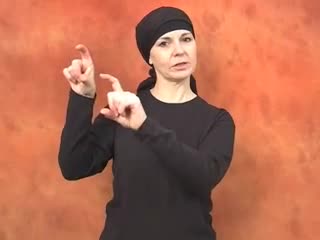
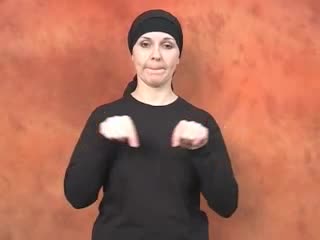
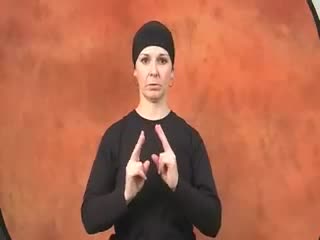
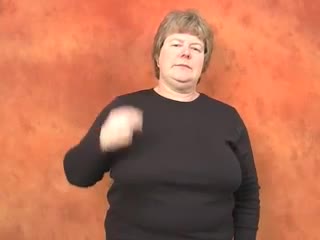
What Is the BSL Sign for "socket outlet"?
Ever find yourself needing to talk about charging a phone, plugging in a kettle, or even just pointing out where to find power? Communicating about everyday electrical needs is fundamental in any language, and British Sign Language is no exception. Understanding the BSL sign for socket outlet unlocks a truly practical piece of vocabulary for your daily interactions. This particular sign visually captures the essence of its meaning, making it quite intuitive once you grasp the core movement. It's a foundational noun in British Sign Language, representing that essential wall-mounted electrical point we all rely on.
How to Sign "socket outlet" in British Sign Language - Step-by-Step
Ready to master the sign for this indispensable household item? Let's break down the precise actions that bring "socket outlet" to life in BSL.
Step 1: Handshape
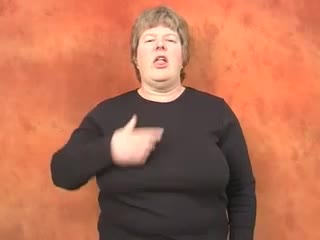
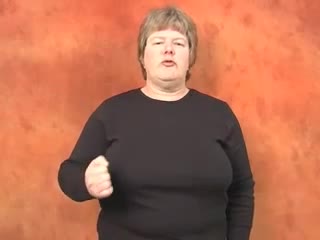
You'll begin with your dominant hand, forming a clear 'V' handshape. To achieve this, extend your index finger and middle finger upwards, keeping them slightly separated, like two prongs. The thumb should be tucked neatly into your palm, and your ring and pinky fingers should be curled down, resting against your palm. Ensure your fingers are straight and distinct, not floppy.
Step 2: Hand Placement and Location
Position your dominant hand, maintaining that 'V' handshape, in the neutral signing space directly in front of your body. Imagine there's an invisible wall or surface slightly to your non-dominant side, where a real socket would typically be found. Your hand should be approximately chest height, ready to approach this imaginary point.
Step 3: Movement
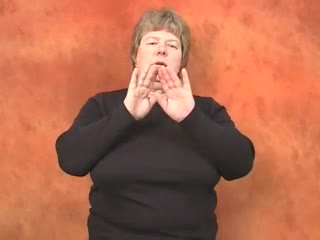
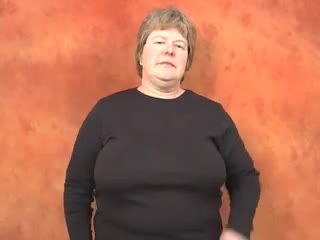
With your 'V' handshape correctly placed, execute a short, direct, and controlled forward movement. Your hand will move straight towards the imaginary "socket" on your non-dominant side, as if you're gently pushing a plug into an electrical receptacle. The movement is brief and distinct, a single, purposeful push, then your hand can relax slightly. There's no repetition in this movement; it's a clear, singular action.
Step 4: Facial Expression and Mouthing
While signing "socket outlet," your facial expression generally remains neutral, perhaps with a slight focus or concentration appropriate for discussing an object. Crucially, you should mouth the words "socket outlet" or simply "plug" as you perform the sign. Mouthing is an integral non-manual feature in British Sign Language, providing vital grammatical and lexical information, helping to clarify the exact noun you're referring to, especially distinguishing it from related concepts.
Step 5: Palm Orientation
Your palm will initially face towards your non-dominant side, or slightly inward, as you prepare the sign. As you perform the forward pushing movement, this palm orientation largely stays consistent, maintaining the visual of a plug's prongs approaching a flat surface. This steady orientation is important because it contributes significantly to the sign's iconic representation of an electrical socket.
"socket outlet" in BSL - Quick Reference Snapshot
- Handshape: Dominant hand forms a 'V' shape (index and middle fingers extended).
- Location: Neutral signing space, chest height, towards non-dominant side.
- Movement: A single, direct, short pushing motion forward.
- Facial Expression: Neutral, possibly focused; accompanied by mouthing.
- Dominant Hand: Yes, only the dominant hand is used for this sign.
- Palm Orientation: Initially facing non-dominant side, maintained during movement.
5 Memorisation Tricks for the BSL Sign "socket outlet"
Here are some clever ways to really make the BSL sign for "socket outlet" stick in your memory.
- Visualise the Prongs: Picture the two extended fingers of your 'V' handshape as the actual prongs of an electrical plug. This strong visual link makes the handshape instantly logical and easy to recall every time you sign.
- Embody the Action: Practice the exact pushing movement as if you're truly inserting a plug into a wall. By focusing on the physical sensation of that small, precise action, you'll build muscle memory that locks the sign into your motor repertoire.
- Connect to its Purpose: Think about what a socket outlet *does* – it provides power. When you sign it, consciously link the sign to the idea of "power source" or "charging point," reinforcing its functional meaning.
- Distinguish from "Plug In": Many learners might confuse the noun "socket outlet" with the verb "to plug in." Remember, this sign is for the *thing* on the wall; the action of plugging something in might involve a slightly different movement or context.
- Spot it and Sign it: Throughout your day, whenever you see a real socket outlet, take a moment to perform the sign. Integrating it into your immediate environment creates powerful, real-world connections that solidify your learning.
Real-Life Situations to Use the BSL Sign for "socket outlet"
Knowing how to sign "socket outlet" is incredibly useful in many everyday scenarios. Here are a few instances where you'll find yourself reaching for this particular sign:
- You might ask a friend, "Where is the nearest socket outlet?" by first signing "SOCKET OUTLET" then pointing and adding a questioning facial expression. BSL often places the topic first, so "SOCKET OUTLET WHERE?" is a common structure.
- Perhaps you're warning someone about a potential hazard, signing "THAT SOCKET OUTLET DANGEROUS!" with a firm headshake to indicate the negative or warning. Your non-manual features are key to conveying the urgency.
- When discussing home renovations with a builder, you could indicate a desire for more power points by signing "NEED MORE SOCKET OUTLET HERE" while gesturing to a specific wall or area. Spatial grammar helps clarify exact placement.
- Imagine you're at a café, and your phone battery is critically low; you could sign "MY PHONE BATTERY EMPTY, SOCKET OUTLET?" to an attendant, using a hopeful facial expression to convey your need.
Top 3 Mistakes Learners Make Signing "socket outlet" in BSL
It's completely normal to make a few errors when you're first learning a new sign. Here are some common pitfalls learners encounter with "socket outlet" and how to easily correct them.
- Incorrect Handshape: A frequent mistake involves forming a loose 'V' or letting other fingers extend, losing the precise "prong" visual. This happens when learners don't fully curl down their ring and pinky fingers. To fix this, consciously tuck your thumb and ensure only your index and middle fingers are extended and distinct, making a sharp 'V' shape.
- Ambiguous Movement: Some learners might make a vague waving motion or an overly large sweep instead of the focused, direct push. This often occurs from a lack of understanding of the sign's iconic nature. The correct way involves a single, deliberate, short forward push, directly towards the imaginary socket, making it clear you're mimicking insertion.
- Forgetting Mouthing: Beginners sometimes focus so much on the manual sign that they neglect the essential non-manual feature of mouthing. Without mouthing "socket outlet" or "plug," the sign might lack clarity or be misinterpreted in a wider BSL sentence. Always remember to clearly mouth the English word as you sign, as this is a crucial part of BSL grammar and meaning.
Fascinating Facts About the BSL Sign for "socket outlet"
There's always something interesting to discover about the signs we use! The BSL sign for "socket outlet" holds a few compelling details.
- The sign is highly iconic, meaning it visually resembles the thing it represents. Your 'V' handshape directly mimics the prongs of an electrical plug, and the forward movement simulates plugging something into a socket.
- While the core handshape and movement are widely understood across the BSL-using community, you might occasionally observe slight regional variations in the exact angle or speed of the "push." However, the fundamental meaning remains perfectly clear.
- This sign clearly functions as a noun, distinct from the verb "to plug in" which would involve a different sign or grammatical modification. It specifically refers to the physical receptacle rather than the action itself.
- There isn't a direct relationship between this sign and the manual alphabet; its form is driven by its iconic representation rather than a fingerspelled letter. However, the 'V' handshape is a common and versatile shape in BSL.
- As technology advanced and electrical appliances became ubiquitous in British homes, the need for a clear, efficient sign for this everyday object undoubtedly led to the development and widespread adoption of this highly practical sign.
"socket outlet" in Deaf Culture - Community and Identity
Access to electricity and the devices it powers are central to modern life, impacting everyone, including the Deaf community. While the sign for "socket outlet" might seem purely functional, its existence allows for seamless communication about daily necessities, ensuring Deaf individuals can discuss practical matters like charging technology, household repairs, or even personal safety. This sign, like countless others, facilitates independence and full participation in society, allowing Deaf people to navigate a hearing-centric world effectively. Shared vocabulary around such essential items strengthens community bonds and reflects a collective experience of interacting with the built environment. It's a small but significant piece of the linguistic fabric that supports a rich, full life within the Deaf community.
Example Conversations Using "socket outlet" in BSL
Let's see "socket outlet" in action within some real conversational contexts.
English: Where's the nearest socket outlet to charge my phone? - BSL structure: My PHONE BATTERY EMPTY, CHARGE, SOCKET OUTLET WHERE? (Topic-comment structure, question marked by non-manual features.)
English: Be careful, that socket outlet is broken. - BSL structure: THAT SOCKET OUTLET BROKEN, CAREFUL! (Emphasis on the warning with strong facial expression and body language.)
English: We need to install another socket outlet in the kitchen. - BSL structure: KITCHEN, NEED MORE SOCKET OUTLET INSTALL. (Spatial reference for "kitchen," clear verb "install" following the object.)
English: The lamp won't turn on; maybe the socket outlet isn't working. - BSL structure: LAMP NOT WORK, MAYBE SOCKET OUTLET BROKEN? (Hypothetical question, expressed through a questioning facial expression and head tilt.)
English: Could you show me where the socket outlet is for the vacuum cleaner? - BSL structure: VACUUM CLEANER, SOCKET OUTLET, SHOW ME? (Clear request, using topic-comment order and an interrogative non-manual.)
Frequently Asked Questions: The BSL Sign for "socket outlet"
Does the BSL sign for socket outlet change across regions?
While the core elements of the BSL sign for socket outlet, including the 'V' handshape and forward pushing motion, are remarkably consistent throughout the British Deaf community, you might notice very minor variations in the angle or exact speed of the movement depending on regional influences. These subtle differences rarely impede understanding, though, as the sign's iconic nature makes its meaning incredibly clear.
Are there other BSL signs easily confused with socket outlet?
It's easy to confuse the noun "socket outlet" with the verb "to plug in" if you're not careful. The sign for "socket outlet" specifically refers to the wall fixture, while "to plug in" usually involves a more dynamic, often two-handed, action showing something being inserted. Always remember the mouthing and context to distinguish between the physical item and the action.
Is the BSL sign for socket outlet a good sign for beginners to learn?
Absolutely, the BSL sign for socket outlet is an excellent sign for beginners! It's highly iconic, meaning it visually resembles its meaning, which makes it straightforward to learn and remember. Plus, it's an incredibly practical sign for everyday communication, giving new learners immediate useful vocabulary.
How can I teach the BSL sign for socket outlet to children?
Teaching the BSL sign for socket outlet to children is fantastic for building their vocabulary. You can make it fun by pointing to real sockets around the house, demonstrating the sign, and encouraging them to imitate it. Emphasise the safety aspect too, explaining what sockets are for while reinforcing the sign.
Is the sign for socket outlet similar in other sign languages?
British Sign Language is a distinct, fully-fledged language with its own unique history, grammar, and vocabulary. While concepts like "socket outlet" exist globally, the specific sign forms in BSL have developed organically within the British Deaf community and are generally unique to BSL, reflecting its independent linguistic evolution.
Signs That Pair Naturally with "socket outlet" in BSL
Building your BSL vocabulary effectively means learning signs in clusters that naturally relate to each other. Here are some signs that frequently appear alongside "socket outlet."
- ELECTRICITY: This sign is vital as "socket outlet" provides electricity, creating an immediate conceptual link. Learning them together reinforces the power source connection.
- PLUG: Often, you'll talk about what goes *into* a socket outlet. The sign for "plug" directly relates to the item needed to utilise the power.
- CHARGE: Whether it's a phone, laptop, or electric car, "charge" is a common action performed using a socket outlet. Pairing these helps you discuss power consumption.
- PHONE: Given how frequently we charge our mobile devices, "phone" is a natural partner. You'll often ask about "phone" and "socket outlet" in the same breath.
- LIGHT: Many lamps and lighting fixtures are powered by electricity from a socket outlet. This connection is useful for discussing home environments and utilities.
- BROKEN: Unfortunately, sometimes a socket outlet doesn't work. Learning "broken" alongside it allows you to communicate issues and problems.
Building Fluency: How to Practise "socket outlet" in BSL
You've learned the steps, now it's time to build that muscle memory and confidence with the BSL sign for "socket outlet"! A fantastic way to refine your handshape and movement is to practice in front of a mirror, carefully observing your dominant hand as you form the 'V' and execute that precise, short push. Try to integrate "socket outlet" into your daily BSL conversations by actively looking for opportunities to use it whenever you talk about electronics, charging, or power. Filming yourself performing the sign can be incredibly insightful; it allows you to objectively review your technique, hand placement, and non-manual features, helping you spot areas for improvement. Best of all, seek out a Deaf conversation partner; nothing beats real-world interaction for truly solidifying new vocabulary and understanding its natural flow in context. Practice it regularly, spaced out over days, and you'll soon find "socket outlet" becomes a natural part of your BSL repertoire.